Why is There Blood in Your Dog’s or Cat’s Urine?

Related reading: Coping With the Loss of a Dog: Grief Is Real, and There Is No Set Timeline.
This is general information, not a diagnosis. The Merck Veterinary Manual dog-owner pages are a reliable place to read more before you talk with your veterinarian.
Discovering blood in your dog’s or cat’s urine can be alarming and stressful for any pet owner. This condition, known as hematuria, is a symptom that indicates an underlying health issue that could range from a mild infection to a more serious disease. In this article, we’ll explore the possible causes of blood in your pet’s urine, how to identify this symptom, and what steps you should take to ensure your dog or cat receives the proper care.
Understanding Hematuria in Pets
Hematuria refers to the presence of red blood cells in the urine, making it appear pink, red, or even dark brown. This can occur for various reasons and can affect both dogs and cats. The condition might be associated with the urinary tract, kidneys, bladder, or other systems within the body. Recognizing the presence of blood in your pet’s urine early is crucial to addressing the underlying cause and preventing further complications.
1. Urinary Tract Infections (UTIs)
One of the most common causes of hematuria in both dogs and cats is a urinary tract infection. UTIs occur when bacteria enter the urinary tract and multiply, leading to inflammation and discomfort. Pets with UTIs may also exhibit symptoms like frequent urination, straining to urinate, or accidents in the house.
What to Do:
If you suspect your pet has a UTI, it’s essential to consult your veterinarian. They will likely perform a urinalysis to confirm the infection and prescribe antibiotics to treat it. Early treatment can prevent the infection from spreading to the kidneys or causing more severe health issues.
2. Bladder Stones
Bladder stones are another common cause of blood in the urine, particularly in dogs but also in cats. These stones form when minerals in the urine crystallize and harden, causing irritation to the bladder lining. Symptoms of bladder stones include painful urination, frequent urination, and sometimes complete obstruction of the urinary tract, which is a medical emergency.
What to Do:
Your veterinarian may recommend imaging tests such as X-rays or ultrasound to detect the presence of bladder stones. Treatment can range from dietary changes and medications to dissolve the stones, to surgical removal if they are too large or causing a blockage.
3. Kidney Disease
Kidney disease, particularly in older pets, can lead to hematuria. The kidneys are responsible for filtering waste from the blood, and when they are not functioning correctly, it can result in the leakage of blood cells into the urine. Chronic kidney disease is more common in cats, but it can also affect dogs.
What to Do:
Managing kidney disease often involves a combination of diet, medication, and regular monitoring by your veterinarian. Early detection is crucial to slowing the progression of the disease and maintaining your pet’s quality of life.
4. Trauma or Injury
Trauma to the urinary tract or surrounding organs can result in blood in the urine. This could be due to an accident, a fall, or even after certain surgical procedures. Pets that have suffered trauma might also exhibit other signs of injury such as limping, pain, or lethargy.
What to Do:
If your pet has experienced trauma and you notice blood in their urine, it is vital to seek immediate veterinary care. Your vet will assess the extent of the injury and provide appropriate treatment, which may include pain management, surgery, or supportive care.
5. Cancer
While less common, cancer can be a cause of hematuria in pets. Tumors in the bladder, kidneys, or urinary tract can lead to bleeding. Pets with urinary tract cancers might also show signs of difficulty urinating, weight loss, or a decrease in appetite.
What to Do:
If your veterinarian suspects cancer, they will likely recommend diagnostic tests such as ultrasound, biopsy, or advanced imaging to determine the type and extent of the tumor. Treatment options may include surgery, chemotherapy, or palliative care depending on the severity and progression of the disease.
6. Prostate Issues in Male Dogs
In male dogs, an enlarged prostate (benign prostatic hyperplasia) or prostate infection (prostatitis) can cause blood in the urine. These conditions are more common in older, unneutered dogs and may also cause difficulty in urinating or defecating.
What to Do:
Treatment for prostate issues may include antibiotics, hormone therapy, or surgical options such as neutering. Your veterinarian will help determine the best course of action based on your dog’s condition.
7. Blood Clotting Disorders
Blood clotting disorders, although rare, can cause hematuria in pets. These disorders may be inherited or acquired due to certain medications, liver disease, or other underlying conditions. Pets with clotting disorders may bruise easily, bleed from the gums, or have prolonged bleeding from minor injuries.
What to Do:
Diagnosing a clotting disorder involves blood tests and sometimes genetic testing. Treatment depends on the specific disorder and may include medications to manage symptoms or avoid triggering further bleeding.
8. Idiopathic Cystitis in Cats
Idiopathic cystitis, or Feline Lower Urinary Tract Disease (FLUTD), is a common condition in cats that causes inflammation of the bladder without an identifiable cause. Stress is often a significant factor in triggering idiopathic cystitis, and it can lead to hematuria, frequent urination, and discomfort.
What to Do:
Managing idiopathic cystitis often involves reducing stress in the cat’s environment, increasing water intake, and providing urinary-specific diets. Your veterinarian may also prescribe medications to alleviate symptoms and manage flare-ups.
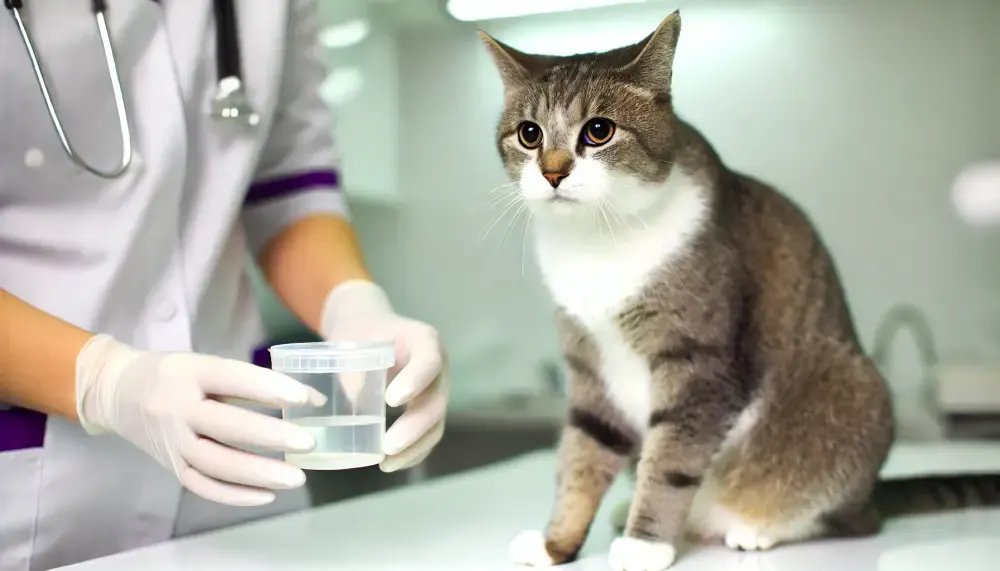
When to Seek Veterinary Care
Blood in your pet’s urine is never a symptom to ignore. Even if your dog or cat appears otherwise healthy, hematuria can be a sign of a serious underlying condition that requires veterinary attention. Contact your veterinarian immediately if you notice any of the following:
- Persistent or worsening hematuria
- Difficulty urinating or straining
- Signs of pain or discomfort during urination
- Lethargy, loss of appetite, or weight loss
- Frequent urination or accidents in the house
Early diagnosis and treatment are key to resolving the issue and preventing complications.
Preventing Hematuria in Pets
While not all causes of hematuria can be prevented, there are steps you can take to reduce your pet’s risk:
- Provide a balanced diet tailored to your pet’s needs, particularly for those prone to bladder stones or kidney issues.
- Ensure your pet stays hydrated by providing fresh water at all times.
- Schedule regular veterinary check-ups to monitor your pet’s overall health.
- Manage your pet’s stress levels, especially for cats prone to idiopathic cystitis.
- Keep your pet’s environment safe to avoid trauma or injuries.
Understanding why there might be blood in your dog’s or cat’s urine is crucial for providing the best care for your furry friend. If you ever notice this concerning symptom, don’t delay in seeking veterinary help. Early intervention can make all the difference in your pet’s health and well-being.


