Cystitis in Cats: Causes, Symptoms and Treatment
We earn from qualifying Amazon purchases. It doesn't change what we recommend.
This is general information, not a diagnosis. The Merck Veterinary Manual cat-owner pages are a reliable place to read more before you talk with your veterinarian.
Cystitis in cats, also known as feline lower urinary tract disease (FLUTD), is a common and often painful condition that affects many cats worldwide. This condition primarily impacts the bladder and urethra, leading to discomfort, difficulty in urination, and sometimes more severe health issues. Understanding the causes, symptoms, and treatment options for cystitis can help cat owners recognize the signs early and seek appropriate care for their furry friends.
Causes of Cystitis in Cats
Cystitis in cats can be caused by a variety of factors, each contributing to the inflammation of the bladder or urinary tract. The most common causes include:
1. Stress-Induced Cystitis
Stress is a significant factor in feline cystitis. Changes in a cat’s environment, such as moving to a new home, the introduction of new pets or people, or changes in routine, can trigger cystitis. The exact mechanism by which stress causes cystitis is not fully understood, but it is believed that stress affects the cat’s nervous system, leading to bladder inflammation.
2. Bacterial Infections
Although less common, bacterial infections can lead to cystitis in cats. These infections typically ascend from the urethra into the bladder, causing inflammation and irritation. Bacterial cystitis is more commonly seen in older cats or those with compromised immune systems.
3. Bladder Stones
Bladder stones, or uroliths, are solid formations that can develop in the urinary bladder. These stones can irritate the bladder lining, leading to cystitis. Certain diets, dehydration, and genetic predisposition can contribute to the formation of bladder stones.
4. Idiopathic Cystitis
In many cases, the cause of cystitis remains unknown, a condition referred to as idiopathic cystitis. This type of cystitis is diagnosed when no other underlying cause can be identified. It is one of the most common forms of FLUTD and can be particularly challenging to manage due to its unclear origin.
Symptoms of Cystitis in Cats
Recognizing the symptoms of cystitis in cats is crucial for early intervention. Cats are known for masking their pain, so it is essential to observe any changes in behavior or habits. Common symptoms of cystitis include:
Frequent Urination: One of the most noticeable signs of cystitis is an increased frequency of urination. Cats may visit the litter box more often, but only pass small amounts of urine each time. In some cases, they may even urinate outside the litter box.
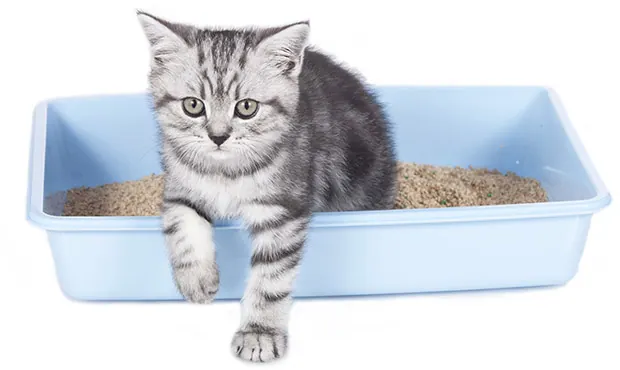
Straining to Urinate: Cats with cystitis may experience difficulty urinating. You may notice your cat straining or spending more time in the litter box without producing much urine. This can be a sign of inflammation or blockage in the urinary tract.
Blood in Urine: Hematuria, or the presence of blood in the urine, is another common symptom of cystitis. The urine may appear pink, red, or brown. Blood in the urine is a clear indication that veterinary care is needed.
Painful Abdomen: Cats with cystitis often have a tender abdomen. They may become more sensitive to touch, and you might notice them avoiding being picked up or petted around their belly.
Behavioral Changes: Cats suffering from cystitis may exhibit changes in behavior, such as increased irritability, hiding, or vocalizing more than usual. These changes are often a response to the discomfort and pain they are experiencing.
Treatment Options for Cystitis in Cats
Treating cystitis in cats involves addressing the underlying cause, managing symptoms, and preventing future occurrences. The treatment plan may vary depending on the severity of the condition and the cat’s overall health.
Veterinary Consultation
The first step in treating cystitis is to consult with a veterinarian. During the consultation, the veterinarian will conduct a thorough examination of your cat, which may include a physical exam, urinalysis, blood tests, and possibly imaging, such as an ultrasound or X-ray. These tests help identify the underlying cause of cystitis, whether it be stress, infection, bladder stones, or another issue. Based on the findings, the veterinarian will develop a tailored treatment plan to address the specific needs of your cat. Early diagnosis and intervention are crucial in preventing the condition from worsening.
Pain Management
Cats with cystitis often experience significant discomfort and pain due to the inflammation of the bladder and urinary tract. Pain management is a critical component of treatment, as alleviating pain can improve your cat’s quality of life and reduce stress, which may otherwise exacerbate the condition. Veterinarians may prescribe non-steroidal anti-inflammatory drugs (NSAIDs) or other pain relievers to help reduce inflammation and provide relief. In some cases, additional medications such as muscle relaxants may be recommended to ease the pain associated with urination.
Antibiotics (If Necessary)
If the veterinarian determines that a bacterial infection is causing your cat’s cystitis, they will prescribe a course of antibiotics. It’s vital to administer the full course of antibiotics as prescribed, even if your cat appears to improve before the medication is finished. This ensures that the infection is completely eradicated and reduces the risk of recurrence or the development of antibiotic-resistant bacteria. During this time, your veterinarian may also recommend additional follow-up visits to monitor your cat’s progress and adjust treatment as needed.
Dietary Changes
Diet plays a crucial role in the treatment and prevention of cystitis, especially if bladder stones or crystals are present. Depending on the type of stones or crystals, your veterinarian may recommend a special prescription diet that alters the pH of your cat’s urine, making it less likely for stones to form. These diets are often higher in moisture, which helps to increase water intake and promote regular urination, flushing out the urinary system. In some cases, long-term dietary management may be required to prevent the recurrence of bladder stones and maintain your cat’s urinary health.
Stress Reduction
Stress is a significant trigger for cystitis in cats, particularly in cases of idiopathic cystitis, where no clear physical cause can be identified. Reducing stress in your cat’s environment is therefore a key aspect of treatment. This can involve creating a stable and predictable routine, minimizing changes in the household, and providing safe spaces where your cat can retreat and feel secure. Using pheromone diffusers, such as Feliway, can also help create a calming atmosphere. In more severe cases, veterinarians may prescribe anti-anxiety medications to help manage stress levels and prevent future episodes of cystitis.
Increased Water Intake
Hydration is essential for maintaining a healthy urinary system and preventing cystitis. Encouraging your cat to drink more water can help dilute the urine and reduce the risk of bladder irritation and stone formation. You can increase your cat’s water intake by offering wet food, which contains a higher moisture content than dry food, and by providing multiple sources of fresh, clean water throughout the house. Some cats are more inclined to drink from running water, so investing in a cat water fountain might also encourage them to drink more.
Regular Monitoring
For cats with a history of cystitis, regular monitoring is crucial to catching any signs of recurrence early. Keep a close watch on your cat’s behavior, especially their urination habits. If you notice frequent visits to the litter box, straining to urinate, or any signs of discomfort, it’s essential to consult your veterinarian promptly. Regular veterinary check-ups, even when your cat is symptom-free, can help ensure that any underlying issues are addressed before they become serious. Monitoring your cat’s diet, water intake, and stress levels will also play a vital role in long-term management and prevention.
Prevention and Long-Term Management
Preventing cystitis in cats involves a combination of lifestyle adjustments and regular veterinary care. Here are some tips for long-term management:
- Maintain a Stress-Free Environment: Keeping your cat’s environment calm and stable can reduce the likelihood of stress-induced cystitis.
- Promote Hydration: Ensure your cat has access to clean, fresh water at all times. Consider adding water to their food or offering wet food to increase moisture intake.
- Regular Veterinary Check-Ups: Routine veterinary visits can help detect early signs of cystitis and other urinary tract issues before they become severe.
- Monitor Diet: Feeding a balanced diet that supports urinary health can prevent the formation of bladder stones and reduce the risk of cystitis.
Cystitis in cats is a manageable condition with the right care and attention. By understanding the causes, recognizing the symptoms, and seeking timely veterinary care, you can help your cat live a comfortable and healthy life free from the pain and discomfort of cystitis.