Dog Frequent Urination in Small Amounts: Causes and Solutions
Related reading: Natural Antihistamine for Dogs: Safe and Effective Solutions.
For general pet-health questions, the AVMA pet-owner resources are a reliable starting point, and your veterinarian should guide individual decisions.
Related reading: Why Does My Dog Smell Like Pee? Causes and Solutions.
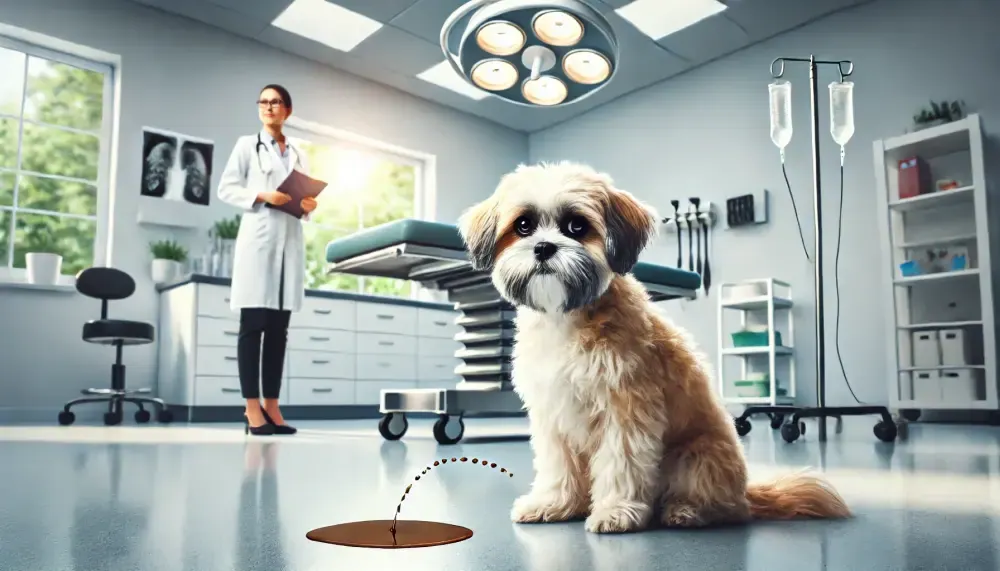
Frequent urination in small amounts can be a worrisome symptom in dogs. When your furry companion suddenly starts needing to go out more often and only produces small amounts of urine, it could indicate an underlying health issue. Understanding the potential causes and finding appropriate solutions can help ensure your dog’s well-being.
Common Causes of Frequent Urination in Small Amounts
1. Urinary Tract Infection (UTI)
One of the most common reasons for frequent urination in dogs is a urinary tract infection (UTI). UTIs occur when bacteria enter the urinary system, causing irritation and inflammation. Symptoms may include straining to urinate, discomfort, and frequent urination with only small amounts being passed.
Dogs with UTIs often show signs of distress when urinating and may lick their genital area excessively. If you notice these behaviors along with frequent urination, it’s crucial to consult your veterinarian for proper diagnosis and treatment.
2. Bladder Stones
Bladder stones, or uroliths, are hard mineral deposits that form in the bladder and can cause irritation. When bladder stones are present, your dog may experience difficulty passing urine, resulting in frequent trips outside with small urine outputs.
Dogs with bladder stones may also show signs of blood in their urine, lethargy, and even changes in appetite. Your vet can perform imaging tests to confirm the presence of stones and recommend a treatment plan, which might include dietary changes or surgery.
3. Cystitis
Cystitis, or inflammation of the bladder, is another potential cause of frequent urination in small amounts. This condition can result from bacterial infections, bladder stones, or other irritants. Dogs with cystitis may experience discomfort when urinating and may urinate in unusual places.
A veterinarian can perform a urinalysis to check for signs of infection or other abnormalities in the urine. In some cases, cystitis can be managed with antibiotics or anti-inflammatory medications.
4. Diabetes
Diabetes is a chronic condition that affects a dog’s ability to regulate blood sugar levels. One of the symptoms of diabetes is frequent urination, as high blood sugar levels cause increased thirst and urination. Although dogs with diabetes tend to pass larger amounts of urine, in some cases, frequent urination in small amounts can occur due to complications with the bladder.
If your dog shows signs of excessive thirst, weight loss, or lethargy in addition to frequent urination, it’s essential to get them checked for diabetes. Managing diabetes in dogs involves monitoring blood sugar levels and administering insulin.
5. Age-Related Issues
Older dogs are more prone to bladder control issues, and frequent urination in small amounts can be a sign of age-related incontinence. This condition is often due to weakening of the muscles controlling the bladder. In senior dogs, incontinence can sometimes be managed with medication or lifestyle adjustments.
For some aging dogs, accidents in the house become more frequent. Providing your senior pet with more frequent bathroom breaks and easy access to outdoor areas can help reduce accidents.
Potential Solutions to Address Frequent Urination in Dogs
Once the underlying cause of frequent urination is identified, treatment plans can be put in place to manage the issue and improve your dog’s comfort.
1. Antibiotics for Infections
If your dog’s frequent urination is caused by a urinary tract infection or cystitis, antibiotics prescribed by your veterinarian will help eliminate the infection. Along with medication, increasing your dog’s water intake can help flush out bacteria from the urinary system and promote recovery.
2. Dietary Adjustments for Bladder Stones
For dogs with bladder stones, your vet may recommend a special diet that helps dissolve existing stones or prevent new ones from forming. These diets are typically low in certain minerals, such as magnesium and phosphorus, which contribute to stone formation.
In some cases, surgery may be required to remove bladder stones, especially if they are too large to pass naturally or are causing severe discomfort.
3. Managing Diabetes
If diabetes is the underlying cause, your veterinarian will work with you to develop a diabetes management plan. This usually involves regular insulin injections, monitoring blood glucose levels, and possibly changes to your dog’s diet. Keeping diabetes under control can help reduce the excessive urination associated with the condition.
4. Medications for Incontinence
For older dogs with incontinence issues, there are medications available that can help strengthen the muscles controlling the bladder. Additionally, lifestyle modifications, such as more frequent potty breaks, can be beneficial for dogs struggling with bladder control.
5. Increase Water Intake
Regardless of the cause, ensuring your dog drinks plenty of water is vital. Adequate hydration helps flush the urinary system and supports overall bladder health. Fresh, clean water should always be available, and you can encourage your dog to drink more by offering water in multiple locations around your home.
6. Regular Veterinary Check-Ups
Maintaining regular veterinary visits is essential for monitoring your dog’s health, especially if they have ongoing urinary issues. Your vet will be able to track any changes in your dog’s condition and adjust treatment plans as needed. Early detection of problems like UTIs, bladder stones, or diabetes can make a significant difference in your dog’s quality of life.
Frequent urination in small amounts can be concerning for dog owners, but many of the underlying causes are treatable with proper veterinary care. Whether your dog is suffering from a UTI, bladder stones, or diabetes, prompt diagnosis and treatment can help alleviate discomfort and restore their urinary health. By staying vigilant and working with your veterinarian, you can ensure that your furry friend stays happy and healthy.
If you notice your dog frequently urinating in small amounts, don’t hesitate to seek veterinary advice. Early intervention can make all the difference in maintaining your dog’s health and well-being.


