Natural Antihistamine for Dogs: Safe and Effective Solutions
We earn from qualifying Amazon purchases. It doesn't change what we recommend.

Related reading: Melatonin for Dogs: A Guide to Safe and Effective Use.
For general pet-health questions, the AVMA pet-owner resources are a reliable starting point, and your veterinarian should guide individual decisions.
Dogs, just like humans, can suffer from allergies caused by environmental factors, food sensitivities, and even seasonal changes. Common signs of allergies in dogs include itching, sneezing, and watery eyes. While antihistamines like Benadryl are often prescribed by vets, some pet owners prefer to explore natural remedies as an alternative for managing mild allergic reactions in their furry companions.
What is a Natural Antihistamine?
A natural antihistamine refers to substances derived from plants, herbs, or other natural sources that help reduce allergic reactions without the use of synthetic chemicals. These remedies can soothe symptoms such as itching, redness, and inflammation by targeting histamine production, which is responsible for allergic responses.
Natural antihistamines are particularly appealing to pet owners who want to avoid potential side effects of pharmaceutical medications. Although natural remedies may not work for all dogs, they can be a safe and gentle alternative, especially for mild cases.
Effective Natural Antihistamines for Dogs
Below are some of the most popular and safe natural antihistamines that you can use to help ease your dog’s allergies.
1. Quercetin

Quercetin is a flavonoid found in fruits and vegetables like apples, berries, and leafy greens. It’s known for its anti-inflammatory, antioxidant, and antihistamine properties, making it an excellent choice for combating dog allergies. Quercetin helps inhibit the production of histamines, which are the cause of allergic reactions like itching and sneezing.
How to Use:
You can find quercetin in supplement form, and it can be administered orally to your dog. Be sure to consult with your vet regarding the proper dosage, as it should be based on your dog’s weight and health condition.
2. Chamomile

Chamomile is well-known for its calming properties and is also a natural antihistamine. This herb contains compounds that reduce inflammation, soothe skin irritations, and alleviate itching. It’s especially useful for dogs with contact allergies, such as reactions to grass or pollen.
How to Use:
Chamomile can be applied topically by brewing a chamomile tea, allowing it to cool, and gently applying it to your dog’s skin using a cloth or spray bottle. You can also offer chamomile tea in small amounts as a drink, though check with your vet before internal use.
3. Coconut Oil
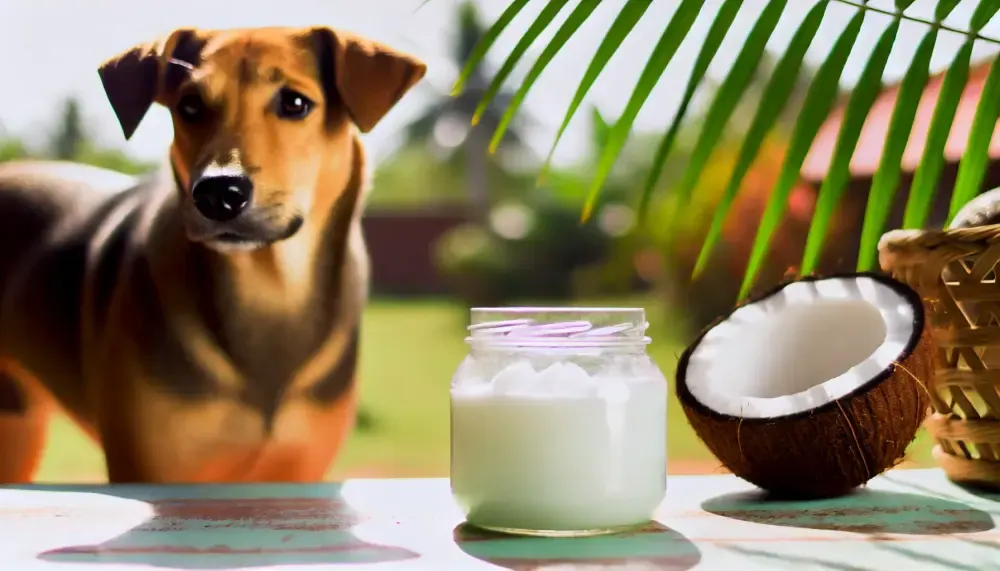
Coconut oil has anti-inflammatory and anti-bacterial properties, making it beneficial for treating allergic reactions in dogs. It can help alleviate skin dryness, itchiness, and redness caused by allergies.
How to Use:
Coconut oil can be applied directly to your dog’s skin or added to their diet. Just a teaspoon mixed into their food can help boost their immune system and reduce allergic reactions over time.
4. Omega-3 Fatty Acids

Omega-3 fatty acids, commonly found in fish oil, are another effective way to reduce inflammation caused by allergic reactions. They help improve skin health, making your dog less prone to itching and irritation. Omega-3 fatty acids can also enhance your dog’s immune system, providing long-term relief from chronic allergies.
How to Use:
You can find fish oil supplements for dogs in liquid or capsule form. Incorporate these supplements into your dog’s daily diet for ongoing allergy management. Always ensure the supplements are specifically formulated for pets to avoid any additives that may be harmful.
5. Bromelain and Papain
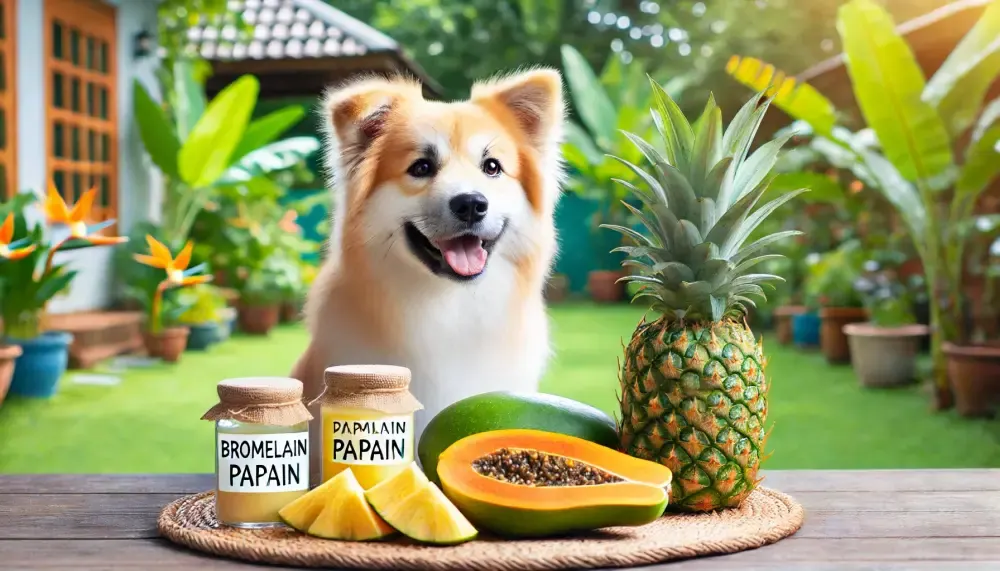
These enzymes, found in pineapple and papaya respectively, are known to enhance the absorption of quercetin, making it more effective as a natural antihistamine. Bromelain and papain also have anti-inflammatory properties, which can help reduce swelling and irritation in dogs suffering from allergic reactions.
How to Use:
These enzymes are typically available in supplement form and can be given in combination with quercetin to boost its effects. Always consult with your veterinarian for the correct dosage.
Benefits of Natural Antihistamines for Dogs
Natural antihistamines offer several benefits for dogs, including:
- Fewer Side Effects: Unlike conventional medications, natural antihistamines are less likely to cause drowsiness or gastrointestinal issues.
- Boosted Immune System: Many natural remedies, such as omega-3s and quercetin, also promote overall health, leading to stronger immune systems and fewer allergic reactions in the future.
- Long-Term Use: Since these remedies are natural, they can often be used over extended periods without concern for long-term negative effects.
Precautions When Using Natural Remedies
While natural antihistamines are generally safe, it’s important to keep a few precautions in mind:
- Consult with a Veterinarian: Before starting any new treatment, always consult with your vet, especially if your dog has existing health conditions or is on medication.
- Monitor for Reactions: Some dogs may still have allergic reactions to natural products, so monitor your pet closely when introducing a new remedy.
- Dosage is Key: Natural does not always mean harmless. The incorrect dosage of supplements or herbs could still cause adverse effects. Always follow recommended guidelines for your dog’s size and health status.
Natural antihistamines offer a holistic and gentle way to manage your dog’s allergies. Whether it’s quercetin to control histamine production, chamomile to calm irritated skin, or omega-3 fatty acids to reduce inflammation, these remedies can provide relief while promoting overall well-being. Always approach natural treatments with the same caution as any other medication, consulting your vet to ensure the best care for your furry friend.
If you’re seeking a more natural approach to treat your dog’s allergies, start with small, safe, and effective remedies like these. You might find that your dog’s symptoms improve significantly without the need for harsh pharmaceuticals, leading to a healthier, happier life.


