Coping With the Loss of a Dog: Grief Is Real, and There Is No Set Timeline
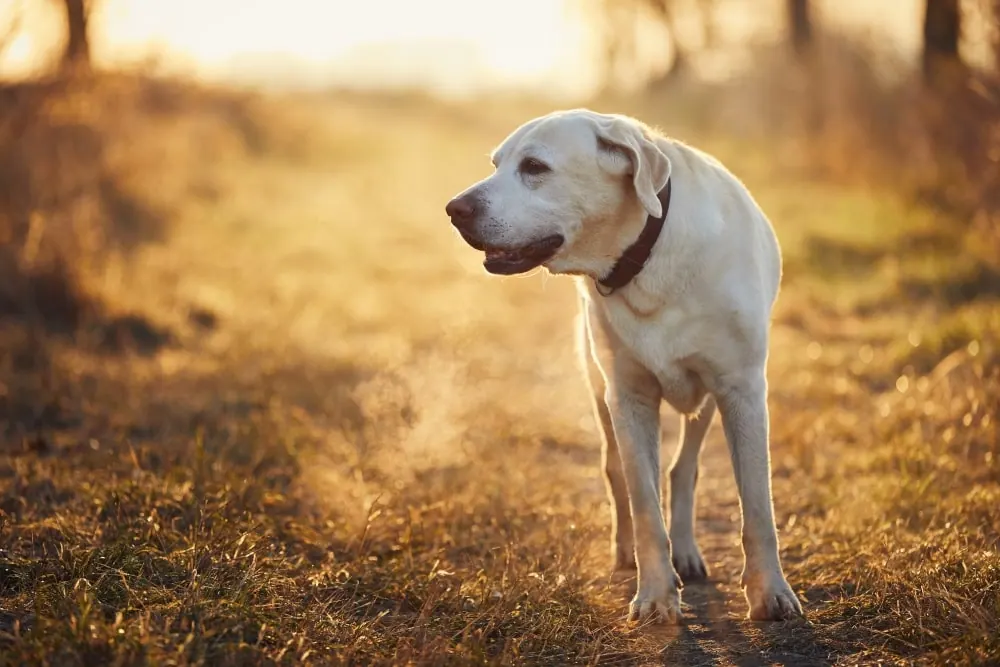
If you just lost your dog: what you feel is normal grief. In the first days, keep routines simple, talk to someone who understands, and let yourself cry. Guilt about euthanasia or missed signs is very common and usually unfair to yourself. If the grief feels unmanageable, a pet-loss hotline or counselor can help.
Losing a dog can be a real grief, not an overreaction. Many people feel shock, sadness, guilt, anger, or numbness, and those feelings may come and go for a long time. There is no correct schedule for missing a companion who was part of the household’s daily life. Rituals, talking with people who understand, and keeping a few memories close help some people; others need more structured support. If grief is overwhelming, or you cannot function, it is reasonable to talk with a counselor or a grief service that includes pet loss.
For general pet-health questions, the AVMA pet-owner resources are a reliable starting point, and your veterinarian should guide individual decisions.
If you want lighter dog stories, we also listed movies for dog lovers.
Related reading: The 20 Most Famous Dogs in Movies, TV, and Real Life.
You do not have to get another dog quickly, and you do not have to justify waiting. When or whether to welcome another pet is a personal decision. This article is about coping, not about shopping for a replacement.
Losing a pet is an immensely painful experience. For many, a dog is not just an animal but a beloved member of the family, whose loss can create an overwhelming sense of grief and emptiness. The bond shared with a dog can be profoundly deep, and the void left by their departure can feel insurmountable. In this article, we explore ways to cope with the loss of a dog, offering both practical tips and emotional support to navigate this difficult time.
Understanding Grief
Grief is a natural response to loss, and it manifests differently for everyone. When it comes to the loss of a dog, you might experience a range of emotions, from sadness and anger to guilt and disbelief. These feelings can fluctuate wildly from one moment to the next, which is a normal part of the grieving process.
1. Allow Yourself to Grieve
Give yourself permission to feel your emotions without judgment. Mourning the loss of your dog is important and necessary for your emotional healing. Consider creating a space where you can express your feelings, whether it’s through writing, talking with friends or family who understand your bond with your pet, or joining a support group for those who have lost pets.
2. Celebrate Your Dog’s Life
Celebrating the life of your dog can be a therapeutic way to honor them. You might hold a small memorial service, where you and others who knew your dog can share favorite stories and memories. Creating a photo album or a memory box filled with items like their collar, favorite toys, and photos can also help you remember the joy your dog brought into your life.
3. Maintain a Routine
Dogs are creatures of habit, and it’s likely that your daily routine included activities with your pet. Maintaining a routine, as much as possible, can provide a sense of structure and normalcy. It’s also important to adjust your routine gradually to manage the void that your pet’s absence creates.
4. Seek Support
Talking about your loss can be incredibly beneficial. Seek support from friends, family, or pet bereavement groups. These groups offer a space to share your feelings with others who understand the unique bond between a human and a dog. Sometimes, professional help from a therapist who specializes in grief can provide additional support.
5. Consider a Physical Tribute
A physical tribute can serve as a comforting reminder of your dog. This could be a garden stone, a custom painting, or a planted tree in their favorite spot in the yard. Such tributes provide a physical place to visit when you’re missing your pet deeply.
6. Take Care of Your Physical and Emotional Health
Grief can take a toll on your physical and emotional health. Ensure you are eating well, getting enough sleep, and engaging in physical activity. It’s also important to recognize when grief becomes overwhelming, as it can sometimes lead to depression.
7. Help Others
Sometimes, helping others can aid in your own healing process. Volunteer at a local animal shelter or consider fostering animals in need. This can help fill the void left by your pet and also give you a sense of purpose.
8. Be Patient With Yourself
The process of grieving can take a long time, and there is no “correct” timeline for healing. Be patient with yourself as you navigate through your emotions. Allow yourself to feel sad, to miss your dog, and to heal at your own pace.
9. When to Get Another Dog
The decision to get another dog is highly personal. Some may feel ready soon after their loss, while others may need more time. It’s important to wait until you’re emotionally ready to form a new bond. The new dog will never replace the one you lost, but can help you forge a new companionship.

Conclusion
The pain of losing a dog is profound, and coping with that loss requires time and support. By allowing yourself to grieve and finding ways to honor your pet’s memory, you can begin to find peace. Remember, it’s important to look after yourself and seek support when you need it, as these actions can facilitate healing in the journey of grief.