Do Dogs Snore? Everything You Need to Know
Related reading: Is Beef Trachea Safe for Dogs? Everything You Need to Know.
For general pet-health questions, the AVMA pet-owner resources are a reliable starting point, and your veterinarian should guide individual decisions.
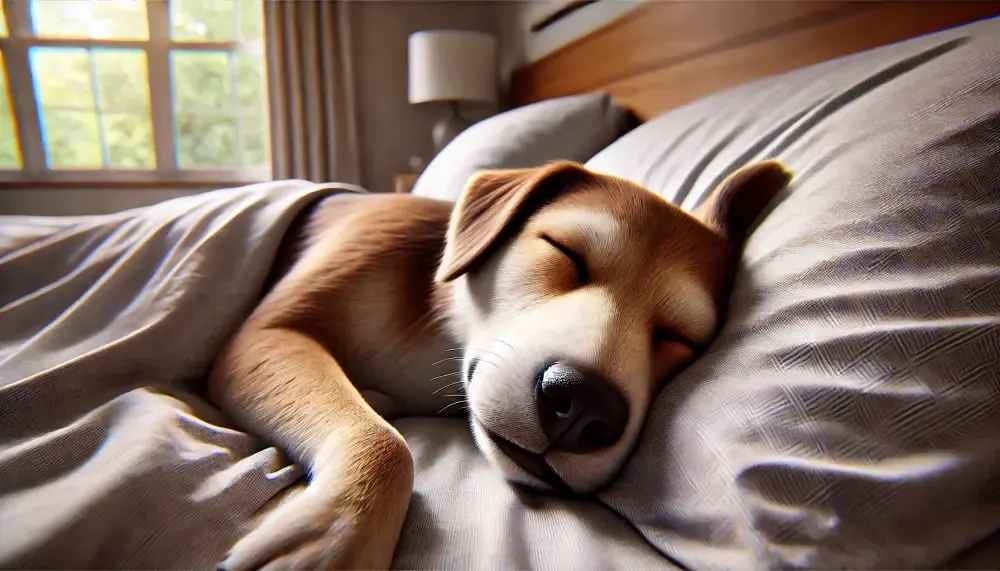
Dogs are often known for their energetic personalities, loyalty, and playful nature, but did you know that dogs can also snore? While we usually associate snoring with humans, it’s not uncommon for dogs to produce their own rhythmic noises while catching some z’s. If you’ve ever wondered whether it’s normal for your dog to snore and what might be causing it, you’re not alone. Let’s dive into the world of dog snoring and find out why it happens and what you can do about it.
What Causes Dogs to Snore?
Just like in humans, snoring in dogs happens when airflow is partially obstructed while they breathe during sleep. There are several potential reasons why your furry friend might snore:
- Breed Predisposition
Some dog breeds are more prone to snoring due to their physical characteristics. Brachycephalic breeds—such as Bulldogs, Pugs, Shih Tzus, and Boxers—have short noses and flat faces. This facial structure can lead to narrowed airways and more resistance when they breathe, resulting in snoring. In these breeds, snoring is typically more common and may not be a cause for concern unless it worsens or is accompanied by other symptoms. - Sleeping Position
Just like people, dogs’ snoring can depend on how they sleep. Dogs who like to lie on their backs, with their heads resting at an awkward angle, may experience increased pressure on their airways, leading to snoring. If you notice that your dog only snores in certain positions, there may be no need to worry. - Weight and Obesity
Overweight dogs are more likely to snore because the excess tissue in their throat and neck can obstruct their airways. If your dog has gained some extra pounds and has started snoring more frequently, it might be time to consider their diet and exercise routine. A healthy weight can reduce snoring and improve overall health. - Allergies and Irritants
Dogs can suffer from allergies just like humans. Airborne allergens like dust, pollen, and smoke can irritate their nasal passages, leading to snoring. If your dog has recently started snoring and you suspect allergies may be the cause, try to identify potential irritants in their environment and consult with a vet for advice on reducing exposure. - Obstructive Sleep Apnea
In some cases, snoring can be a sign of a more serious condition known as sleep apnea. This occurs when the airway becomes completely blocked during sleep, causing your dog to stop breathing momentarily. Sleep apnea is more common in overweight or brachycephalic breeds and may require medical attention if it leads to poor sleep quality or other health issues.
Is Dog Snoring Normal?
In many cases, dog snoring is perfectly normal, especially in breeds that are naturally prone to it. However, snoring can sometimes be a sign of an underlying health problem that needs attention. Here are some scenarios where snoring may warrant a visit to the vet:
- Sudden Onset of Snoring
If your dog has never snored before but suddenly starts, this could indicate an underlying issue, such as an infection or obstruction in their airway. - Loud or Irregular Snoring
Consistent, gentle snoring is typically harmless. But if your dog’s snoring becomes unusually loud or irregular, it might suggest a blockage or other respiratory problems. - Difficulty Breathing While Awake
If your dog struggles to breathe even when they’re awake, this could indicate a more severe issue that requires immediate veterinary attention. Difficulty breathing is not something to take lightly, and early intervention can prevent more serious health complications.
How to Help Your Dog Stop Snoring
If your dog’s snoring is frequent or disrupting their sleep (or yours!), there are a few strategies you can try to reduce or eliminate the noise:
- Adjust Their Sleeping Position
If your dog tends to snore in a particular sleeping position, gently adjust them to sleep on their side instead of their back. Side sleeping can help open up the airway and reduce snoring. - Create a Clean, Allergen-Free Environment
Keep your dog’s sleeping area clean and free from allergens like dust, mold, and cigarette smoke. If your dog has seasonal allergies, you might want to consult your vet about antihistamines or other treatments to help reduce symptoms and snoring. - Maintain a Healthy Weight
Ensure that your dog stays at a healthy weight through regular exercise and a balanced diet. If your dog is overweight, losing a few pounds may make a noticeable difference in their snoring and overall quality of life. - Humidify the Room
Dry air can exacerbate snoring by causing irritation in the nasal passages. Using a humidifier in the room where your dog sleeps can help keep their airways moist and reduce snoring. - Consult Your Vet
If none of these methods help or if you’re concerned about your dog’s snoring, it’s always a good idea to consult your veterinarian. They can rule out any serious health conditions and offer more specific advice tailored to your dog’s needs.
When Is Snoring a Cause for Concern?
While snoring in dogs is often harmless, there are certain situations where it could be a sign of a more serious issue. If your dog’s snoring is accompanied by any of the following symptoms, it’s important to seek veterinary advice:
- Labored breathing or gasping for air during sleep
- Constant coughing, choking, or wheezing
- Excessive panting or difficulty breathing during physical activity
- Snoring that interferes with their sleep or leaves them feeling tired during the day
Dogs snore for a variety of reasons, many of which are harmless. Whether it’s due to their breed, sleeping position, or even environmental factors like allergens, snoring can be a normal part of your dog’s sleep routine. However, if your dog’s snoring becomes excessive or is paired with other concerning symptoms, a vet visit may be necessary to rule out any serious health conditions.
By understanding the causes of dog snoring and knowing when to seek help, you can ensure that your dog gets the rest they need—without too much noise!