Dog Bladder Stones Home Remedy
We earn from qualifying Amazon purchases. It doesn't change what we recommend.
For a related health topic, see Home Remedies for Bilious Vomiting Syndrome in Dogs. That article is also not a substitute for a veterinary exam.
This is general information, not a diagnosis. The Merck Veterinary Manual dog-owner pages are a reliable place to read more before you talk with your veterinarian.
Bladder stones in dogs can be a painful and worrisome condition, but there are effective home remedies that can help manage and prevent them. These remedies focus on natural solutions, dietary changes, and hydration tips that can make a significant difference in your dog’s health. In this article, we’ll explore various ways to help your furry friend feel better without relying solely on medication.
Understanding Dog Bladder Stones
Bladder stones are hard, rock-like formations that develop in a dog’s urinary bladder. They can vary in size and are usually made up of minerals. Common symptoms include frequent urination, blood in the urine, and difficulty or pain while urinating. It’s essential to consult with your veterinarian to determine the type and severity of the bladder stones before trying home remedies.
Home Remedies for Dog Bladder Stones
1. Increase Water Intake
One of the most crucial steps in treating and preventing bladder stones is ensuring your dog stays hydrated. Proper hydration helps flush out minerals and toxins that can contribute to stone formation.
- Encourage your dog to drink more water by adding a bit of low-sodium chicken broth to their water bowl.
- Use a pet water fountain, as many dogs are attracted to running water.
- Provide fresh, clean water multiple times a day.
2. Apple Cider Vinegar
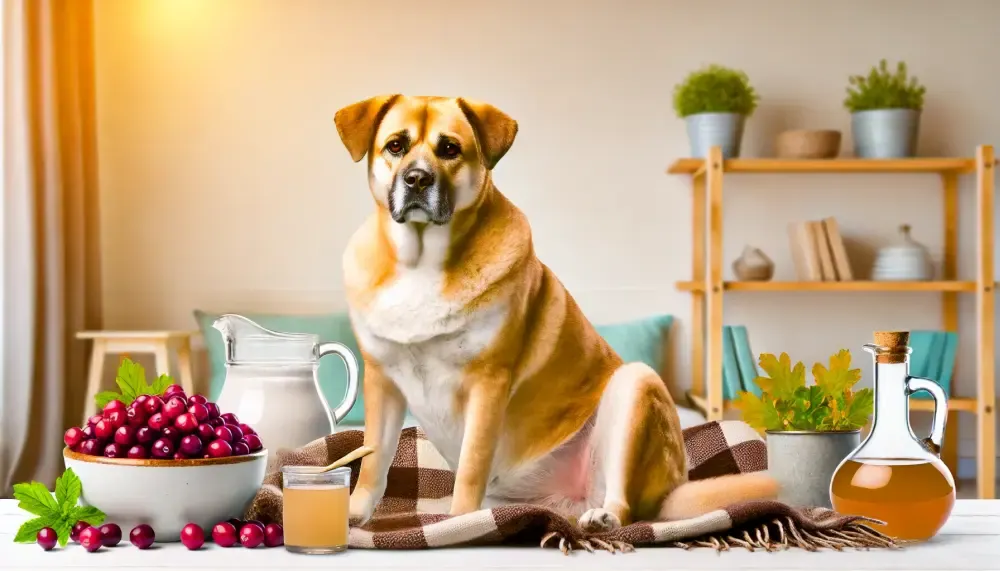
Apple cider vinegar is known for its ability to dissolve and prevent certain types of bladder stones due to its acidic nature. It can help break down the stones and reduce pain.
- Mix 1 teaspoon of apple cider vinegar into your dog’s water bowl (for every 50 lbs / 22.5 kgs of body weight).
- Gradually increase the amount if your dog tolerates it well.
Always consult your vet before introducing apple cider vinegar, especially if your dog is on medication or has other health issues.
3. Cranberry Supplements or Juice
Cranberries are excellent for maintaining urinary health and preventing bladder stones. They help acidify the urine, making it difficult for stones to form.
- Choose unsweetened cranberry juice and add a small amount (1-2 tablespoons) to your dog’s water or food.
- Cranberry supplements specifically formulated for dogs are available, but always follow the recommended dosage.
4. Marshmallow Root
Marshmallow root is an herbal remedy known for its soothing properties and can help reduce inflammation in the urinary tract. It creates a protective layer over the bladder’s lining, which can help prevent irritation caused by bladder stones.
- You can prepare marshmallow root tea by boiling 1 teaspoon of dried marshmallow root in 1 cup of water. Let it cool and add a small amount to your dog’s water or food.
- Alternatively, consider using marshmallow root supplements available in pet stores.
5. Dietary Adjustments
Diet plays a significant role in preventing and managing bladder stones. Consider making the following dietary changes:
- Increase Wet Food Intake: Wet food has higher water content, which helps keep your dog hydrated and reduces the risk of stone formation.
- Low Purine Diet: Avoid high-purine foods such as organ meats, certain fish (e.g., sardines, mackerel), and yeast products. Opt for low-purine proteins like chicken, turkey, and eggs.
- Include Fiber-Rich Foods: Fiber helps regulate your dog’s digestive system and reduces the risk of urinary stone formation. You can add plain pumpkin or green beans to their meals.
6. Omega-3 Fatty Acids
Omega-3 fatty acids, found in fish oil, have anti-inflammatory properties that can reduce inflammation in the bladder. These supplements can be added to your dog’s diet to promote overall urinary health.
- Choose a high-quality fish oil supplement and follow the recommended dosage.
- Alternatively, include fish like cooked salmon (without bones) in your dog’s meals.
Preventing Bladder Stones in Dogs
Regular Veterinary Checkups
Regular checkups are essential to monitor your dog’s urinary health and detect any potential issues early. Your veterinarian can perform urine tests and provide guidance on managing your dog’s condition.
Encourage Regular Exercise
Exercise promotes overall health and well-being, helping maintain a healthy weight and reducing the risk of bladder stones. Ensure your dog gets regular physical activity, such as walks, playtime, or agility exercises.
Avoid Giving Table Scraps
Feeding your dog table scraps can introduce harmful ingredients that may contribute to bladder stone formation. Stick to a balanced and nutritious dog food diet that supports urinary health.
Monitor pH Levels
Testing your dog’s urine pH levels can help detect any abnormalities. You can use pH test strips designed for pets, available at pet stores. A pH level between 6.0 and 6.5 is considered normal for dogs. If you notice any significant changes, consult your veterinarian.
When to See a Veterinarian
While these home remedies can be helpful, it’s essential to consult a veterinarian if your dog:
- Shows signs of severe pain or discomfort
- Has difficulty urinating
- Exhibits blood in the urine
- Experiences frequent urination with only small amounts of urine
These symptoms could indicate a more serious problem that requires immediate medical attention.
Bladder stones in dogs can be distressing, but with the right home remedies and preventive measures, you can manage this condition and help your furry friend lead a healthier life. Always consult your veterinarian before starting any home remedy, and monitor your dog’s progress to ensure they are on the road to recovery. By incorporating natural remedies, proper hydration, and a balanced diet, you can significantly reduce the risk of bladder stones and improve your dog’s overall well-being.


