Can Dogs Eat Turkey? What You Need to Know
If you are unsure whether a food is safe, the ASPCA’s list of people foods to avoid feeding pets is a reliable starting point, and a veterinarian or poison-control professional should be called if a pet already ate something questionable.
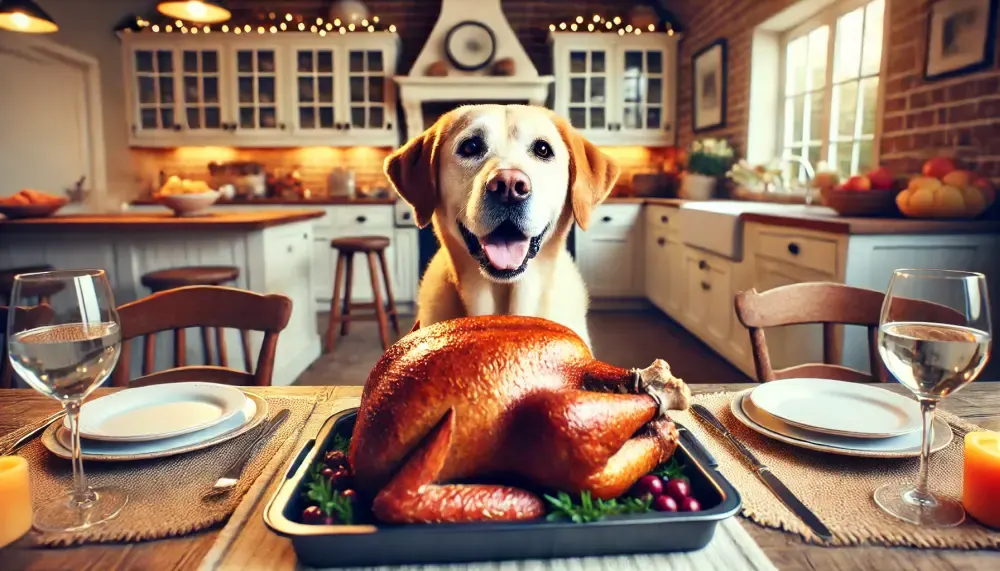
Turkey is a popular ingredient in many households, especially during festive occasions like Thanksgiving. But if you’ve ever found yourself wondering, “Can dogs eat turkey?”—you’re not alone. Many dog owners are curious if this flavorful meat can be safely shared with their furry companions. The short answer is yes, dogs can eat turkey, but it requires careful preparation to ensure it’s safe and healthy for them.
In this article, we’ll explore the benefits of turkey for dogs, the risks associated with it, and how to properly prepare turkey for your dog’s consumption. Let’s dive into the details!
Benefits of Turkey for Dogs
Turkey is a great source of lean protein, and it contains several nutrients that can benefit your dog’s health. When prepared correctly, it can be a nutritious addition to their diet.
- Rich in Protein: Protein is essential for dogs, supporting muscle growth, energy levels, and overall health. Turkey is an excellent source of high-quality protein, which can help maintain strong muscles and a healthy coat.
- Contains Important Vitamins and Minerals: Turkey provides several vitamins and minerals, including vitamin B6, niacin, and selenium. These nutrients help with metabolism, immune function, and thyroid health.
- Low in Fat (When Skinless): Skinless turkey breast is low in fat, making it a healthier option for dogs, especially those that need to watch their weight. Lean protein is ideal for maintaining a balanced diet.
- Easily Digestible: For dogs with sensitive stomachs, turkey is usually a good alternative to other meats like beef or lamb, as it tends to be easier on their digestive systems.
Risks of Feeding Turkey to Dogs
While turkey can be a healthy addition to your dog’s diet, it’s important to be aware of certain risks.
- Seasonings and Additives: Turkey prepared for human consumption, especially during holidays, often contains seasonings like garlic, onions, butter, and spices, all of which can be harmful to dogs. Garlic and onions are toxic to dogs and can cause gastrointestinal issues or even lead to anemia.
- Bones: Cooked turkey bones can splinter and pose a choking hazard or cause internal injuries to your dog. Raw bones are slightly less dangerous but should still be avoided. Always ensure the turkey you give your dog is boneless.
- High-Fat Content: Turkey skin and dark meat are high in fat. While small amounts may be fine, too much fat can lead to pancreatitis, a serious condition that affects a dog’s pancreas. It’s best to stick to lean, white meat like turkey breast.
- Processed Turkey Products: Turkey deli meats or processed turkey often contain preservatives, sodium, and other additives that aren’t healthy for dogs. Avoid feeding them processed meats and stick to fresh, unseasoned turkey.
Does Turkey Make Dogs Sleepy?
You might have heard that eating turkey can make humans feel sleepy due to a compound called tryptophan, an amino acid that contributes to the production of serotonin and melatonin, which regulate sleep. But does turkey have the same effect on dogs?
While turkey does contain tryptophan, it is unlikely to cause noticeable drowsiness in dogs when consumed in moderation. The amount of tryptophan in turkey is not high enough to have a significant sedative effect on your dog. Any sleepiness you might observe after feeding your dog turkey is more likely due to them feeling full and satisfied rather than the direct influence of tryptophan.
If you notice your dog seems overly lethargic or drowsy after eating turkey, it could be a sign of overeating or indigestion, especially if they consumed fatty parts like the skin. In such cases, it’s always a good idea to monitor your dog for any unusual behavior and consult your vet if you have concerns.
How to Safely Prepare Turkey for Your Dog
If you plan to feed turkey to your dog, it’s crucial to prepare it properly to avoid any potential health issues.
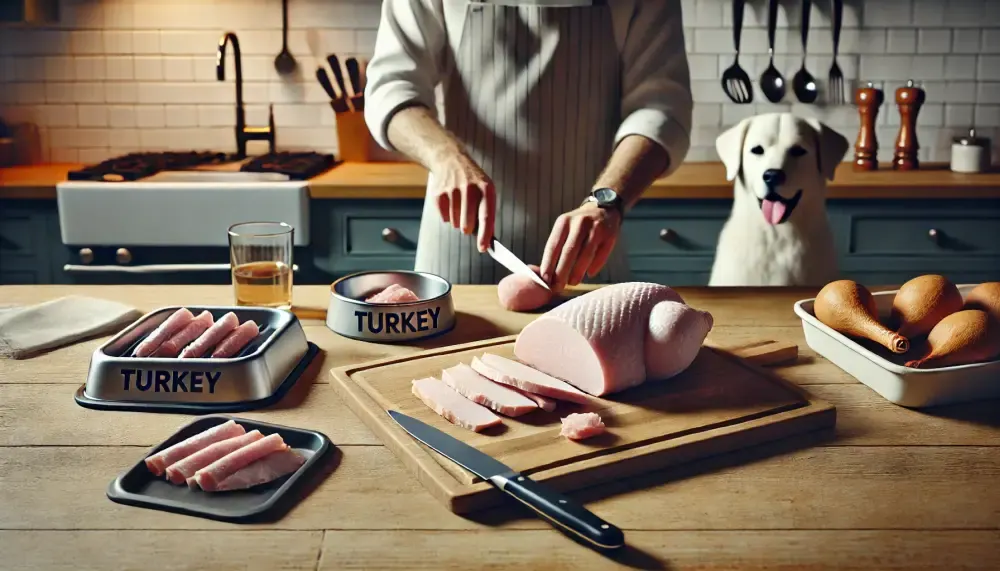
- Cook It Thoroughly: Ensure the turkey is cooked thoroughly to avoid any risk of bacterial contamination, like salmonella. Raw turkey can harbor bacteria that may make your dog sick, so it’s essential to cook it to a safe temperature.
- Remove Bones and Skin: Always remove bones from the turkey before giving it to your dog. Turkey bones can splinter easily, leading to choking or internal injuries. Also, remove the skin to cut down on the fat content, as too much fat can cause pancreatitis.
- Avoid Seasonings: Make sure the turkey is plain and free of any seasonings, butter, or oil. Stick to simple preparation methods like boiling, baking, or roasting without added ingredients.
- Portion Size Matters: Turkey should be an occasional treat and not a staple in your dog’s diet. Stick to small portions, especially if your dog is eating turkey for the first time. Overeating can cause digestive upset or lead to weight gain.
Can Dogs Have Turkey Slices?
Yes, dogs can have turkey slices, but it depends on how the turkey is prepared. Plain, unseasoned turkey slices can be a healthy treat for your dog, especially when made from lean cuts like turkey breast. However, processed turkey slices, such as deli meats, often contain high levels of sodium, preservatives, and additives that can be harmful to dogs. Always opt for fresh, cooked turkey without any seasonings, garlic, or onions, as these ingredients are toxic to dogs. Ensure the slices are boneless and skinless for the best results. Moderation is key, as too much turkey can lead to digestive issues.
Can Dogs Eat Turkey Gizzards?
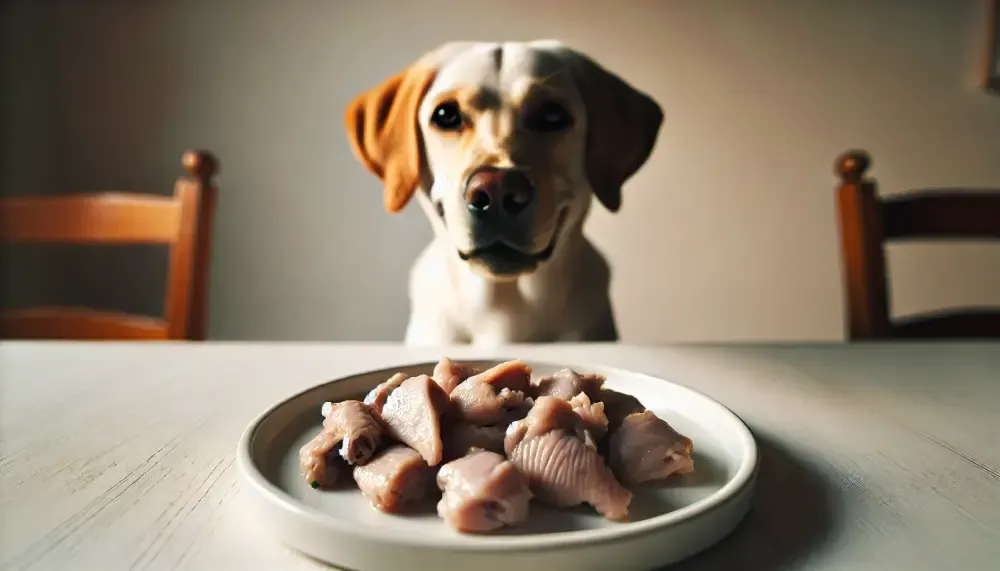
Yes, dogs can eat turkey gizzards, and they can actually be quite nutritious for your furry friend. Gizzards are packed with protein, vitamins, and minerals that contribute to a well-rounded diet. They are a natural source of glucosamine, which is beneficial for joint health, particularly for older dogs or those prone to joint issues. Turkey gizzards also contain high levels of iron, phosphorus, and zinc, supporting your dog’s overall health and vitality.
However, it’s essential to prepare turkey gizzards properly before feeding them to your dog:
- Cook Thoroughly: While some dog owners feed raw gizzards, cooking them reduces the risk of bacterial contamination, such as salmonella. Boiling or baking them without any added seasonings is the best approach.
- Portion Control: Gizzards are rich in nutrients, but they should be given in moderation. Too many gizzards can lead to an imbalanced diet, so it’s best to offer them as an occasional treat rather than a regular meal component.
- No Seasonings: Avoid adding salt, garlic, onions, or other spices, as these ingredients can be harmful to dogs.
By feeding your dog properly prepared turkey gizzards in small amounts, you can offer them a tasty, nutrient-dense treat that supports their health. Always consult with your vet if you’re considering adding gizzards as a regular part of your dog’s diet.
Turkey Alternatives: What Other Meats Can Dogs Eat?
If you’re exploring new protein options for your dog, turkey isn’t the only choice. Other meats, when prepared properly, can also be safe and nutritious for dogs.
- Chicken: Chicken is another lean protein source that many dogs enjoy. Like turkey, it should be boneless, skinless, and free of seasonings.
- Beef: Cooked, unseasoned beef can be a good occasional treat for dogs, but it is higher in fat than turkey or chicken. Be sure to offer it in moderation.
- Lamb: For dogs with allergies to poultry, lamb can be a great alternative protein. It’s richer in fat, so it’s best to serve small amounts.
- Fish: Many dogs benefit from fish, which is rich in omega-3 fatty acids and good for skin and coat health. Be sure to cook fish thoroughly and remove any bones.
What to Do If Your Dog Eats Seasoned Turkey
Accidents happen—if your dog gets into the holiday leftovers and consumes seasoned turkey, you should keep an eye on them for any signs of distress. Symptoms to watch out for include vomiting, diarrhea, excessive thirst, or lethargy. In severe cases, ingestion of toxic seasonings like garlic or onions can lead to more serious symptoms such as weakness, pale gums, or collapse.
If you notice any of these symptoms, contact your veterinarian immediately. It’s better to be safe and have your dog checked out to avoid any complications.
Can Turkey Be Part of a Regular Diet?
While turkey can be a great occasional treat, it shouldn’t become a regular part of your dog’s diet unless recommended by your vet. A balanced diet is crucial for your dog’s overall health, and most commercial dog foods already contain all the nutrients they need. If you’re considering adding more fresh foods like turkey to their diet, consult your vet to ensure your dog is getting the right balance of nutrients.
In some cases, dogs with food sensitivities or allergies may benefit from a diet that includes turkey as an alternative protein source. Your vet can guide you on how to incorporate it safely.
So, can dogs eat turkey? Absolutely, but with some careful preparation and moderation. Turkey can offer a healthy source of lean protein and essential nutrients, but it’s important to avoid harmful additives like bones, skin, and seasonings. Always consult with your vet before making significant changes to your dog’s diet.
By following these guidelines, you can safely share turkey with your dog and ensure they enjoy a healthy, balanced diet.