Can Dogs Eat Mashed Potatoes? Only If They’re Plain
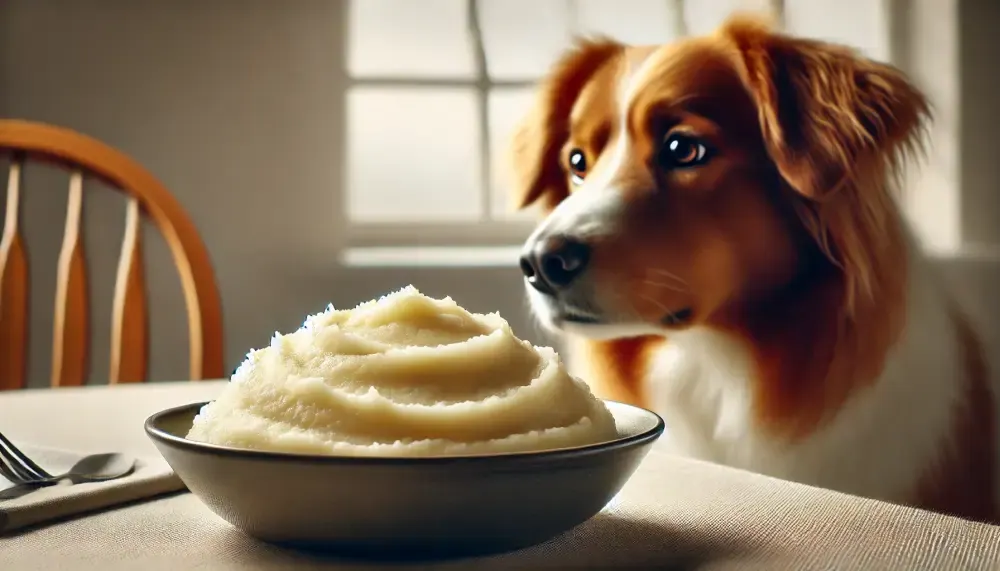
Plain mashed potatoes can be a small, occasional extra for most dogs if they are made from cooked, peeled potatoes with nothing added. Butter, milk, cream, salt, gravy, chives, onion, and garlic do not belong in a dog’s share of the bowl. Raw or green potatoes, and potato plants, are a different problem because of solanine and should not be offered.
If you are unsure whether a food is safe, the ASPCA’s list of people foods to avoid feeding pets is a reliable starting point, and a veterinarian or poison-control professional should be called if a pet already ate something questionable.
If you are comparing this with other extras, we also have a guide on Can Dogs Eat Bell Peppers? Yes, if They’re Plain.
If you are comparing this with other extras, we also have a guide on Can Cats Eat Dog Food? Not as a Regular Diet.
A spoon of plain mash is still leftover starch, not a balanced meal. If you want to moisten kibble, a complete best canned dog food or a measured best dog food toppers is a more consistent choice. For the bigger wet-versus-kibble question, see wet vs dry dog food guide.
Many dog owners enjoy sharing their favorite foods with their furry companions, and mashed potatoes often come to mind. This creamy side dish is a comfort food for many, but before you offer it to your pup, it’s essential to understand if mashed potatoes are safe for dogs and how to serve them without compromising their health. In this article, we’ll dive into the benefits, risks, and best practices when it comes to feeding mashed potatoes to dogs.
Are Mashed Potatoes Safe for Dogs?
Yes, dogs can eat mashed potatoes, but with some important considerations. Potatoes themselves are not toxic to dogs when cooked properly. However, how you prepare mashed potatoes can make a big difference. Traditional mashed potatoes often contain ingredients like butter, salt, and milk, which are not ideal for a dog’s digestive system and can lead to health issues if consumed in large amounts. Therefore, if you want to feed your dog mashed potatoes, it’s best to stick to a simple, plain version without added ingredients.
How to Safely Prepare Mashed Potatoes for Dogs
If you decide to feed your dog mashed potatoes, follow these tips to ensure they’re prepared in the safest way possible:
- Stick to Plain Potatoes: Avoid using any additional ingredients like butter, milk, salt, garlic, or onions. Use only boiled or steamed potatoes, then mash them without adding anything else.
- Serve in Small Portions: A small serving is sufficient to give your dog a taste without overloading them with starch or calories. Depending on your dog’s size, a tablespoon or two may be enough as a treat.
- Monitor for Allergic Reactions: Start with a small amount, especially if this is the first time your dog is trying potatoes. Watch for any signs of discomfort or allergic reactions, such as itching, stomach upset, or changes in behavior.
- Avoid Instant or Packaged Mashed Potatoes: Many pre-packaged mashed potato mixes contain preservatives, seasonings, and other additives that can be harmful to dogs. Stick to fresh potatoes that you prepare yourself.
Alternatives to Mashed Potatoes for Dogs
If you’re looking for other starchy options that may be easier on your dog’s stomach, consider these alternatives:
- Sweet Potatoes: Sweet potatoes are generally easier to digest and offer additional nutrients like beta-carotene. Like regular potatoes, they should be cooked plain and given in small amounts.
- Pumpkin: Pumpkin is low in starch and high in fiber, making it a popular option for dog owners. It can support digestive health and is often used as a natural remedy for dogs with diarrhea or constipation.
- Butternut Squash: This is another nutrient-rich vegetable that provides fiber and vitamins, and it’s often easier for dogs to digest compared to potatoes.
When Should You Avoid Giving Mashed Potatoes to Your Dog?
There are specific situations where feeding mashed potatoes might not be suitable:
- Dogs with Diabetes: Potatoes can cause blood sugar spikes due to their high glycemic index. Dogs with diabetes or blood sugar issues should avoid mashed potatoes or any high-carb food.
- Overweight Dogs: Since potatoes are calorie-dense, they can contribute to weight gain if not balanced with other foods. If your dog is on a weight management plan, it may be best to skip the mashed potatoes.
- Dogs with Pancreatitis: High-fat foods can trigger pancreatitis, a serious condition in dogs. While plain potatoes are low in fat, many mashed potato recipes are not, so caution is advised.
Signs Your Dog May Have Eaten Too Much Mashed Potatoes
If your dog accidentally consumes a large amount of mashed potatoes, keep an eye out for these symptoms:
- Stomach Upset: Vomiting, diarrhea, or gas could indicate that the potatoes were too rich or contained problematic ingredients.
- Lethargy: High-carb foods can sometimes make dogs feel lethargic, especially if they consume too much starch at once.
- Increased Thirst or Urination: Some mashed potato recipes contain salt, which can lead to dehydration if consumed in large amounts.
If you notice any of these symptoms or if your dog consumed mashed potatoes with harmful ingredients like onions or garlic, contact your veterinarian for advice.
Final Verdict: Can Dogs Eat Mashed Potatoes?
In moderation and without any added ingredients, mashed potatoes can be a safe treat for most dogs. However, it’s essential to serve them plain and to watch for any signs of digestive discomfort or allergies. As with any human food, mashed potatoes should only be an occasional treat and not a substitute for a balanced dog diet. When prepared properly, they can be a tasty snack that your dog may enjoy without any issues.