Can Cats Eat Dog Food? Not as a Regular Diet
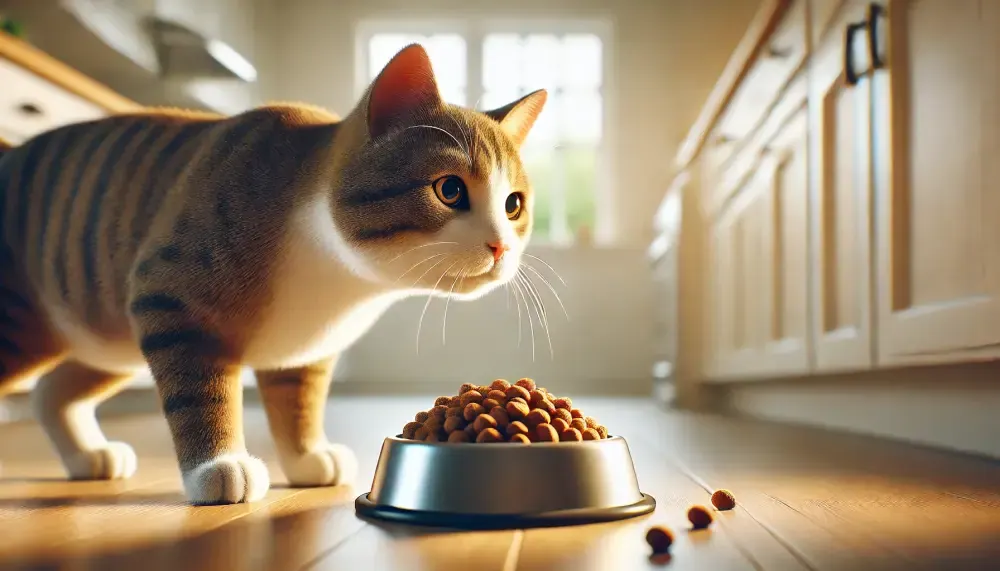
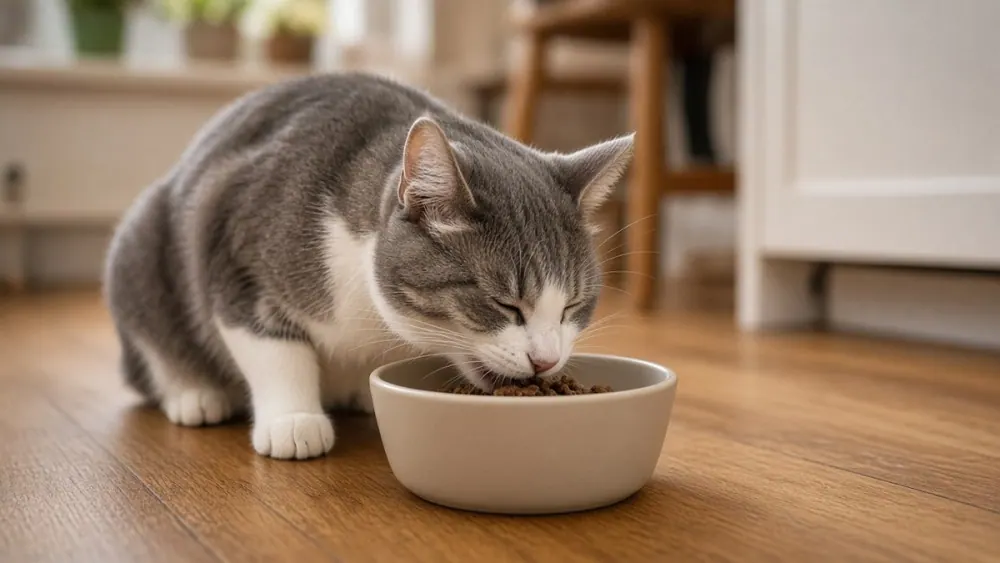
A cat should not live on dog food. Cats are obligate carnivores with specific needs, including enough taurine, arachidonic acid, and vitamin A in a form they can use. Dog food is formulated for a different species and can leave gaps if it becomes the regular diet. A few stolen bites of dog food are unlikely to harm a healthy cat, but repeated meals are a problem, especially for kittens and cats with medical issues.
Feeding a reptile instead? See what turtles eat.
Cat and dog foods are not interchangeable. For feline feeding basics, see the Cornell Feline Health Center guide to feeding your cat and the AAFCO’s consumer guide to understanding pet food. A complete-and-balanced statement, described in the FDA guidance on complete and balanced pet food, is the baseline.
If you are comparing this with other extras, we also have a guide on Can Cats Eat Chocolate? Understanding the Dangers of Chocolate for Felines.
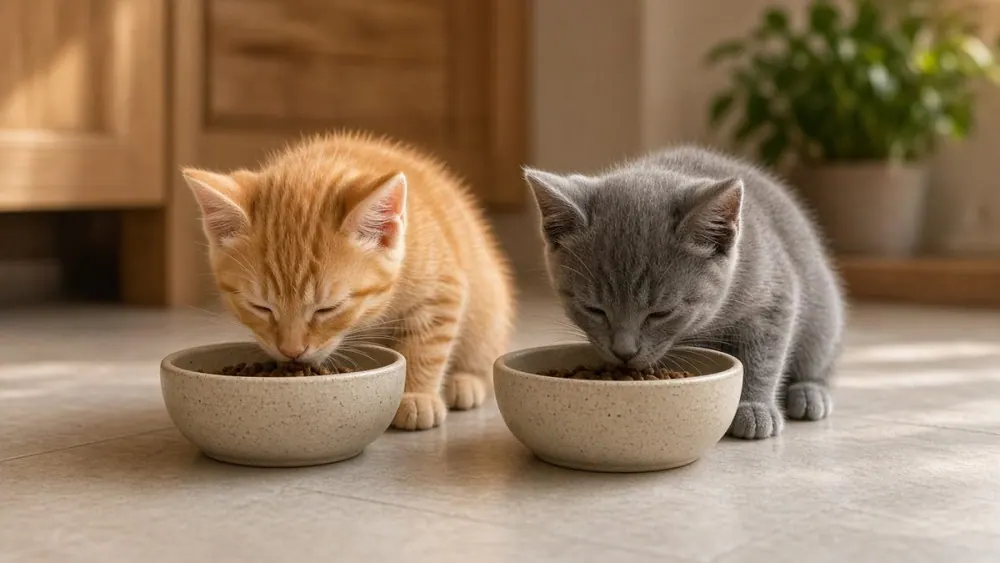
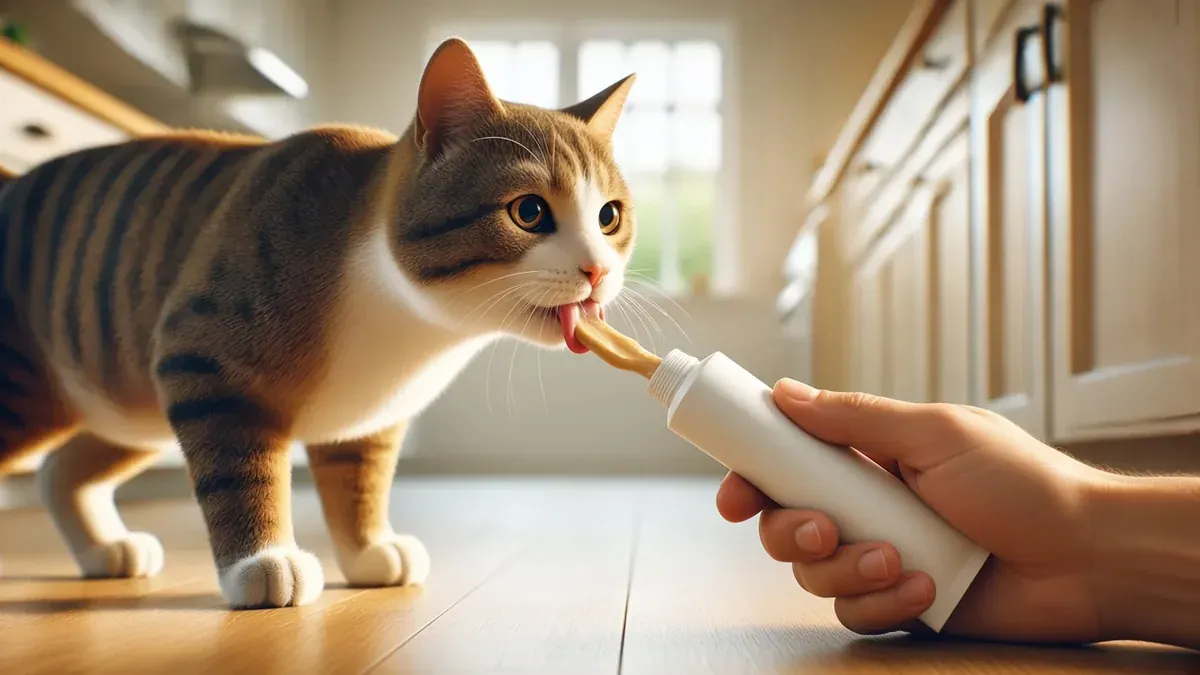
Keep bowls separate when you can, and feed a complete cat food. See best canned cat food or best lickable cat treats if you need a more appealing feline option. If a cat has been eating dog food for a while, or is losing weight or energy, call your veterinarian rather than just switching foods overnight without advice.
Cats and dogs are beloved pets worldwide, but their dietary needs are vastly different. It might seem convenient to feed a cat some dog food in a pinch, but is it safe? Understanding why dog food doesn’t meet the nutritional requirements of cats can help pet owners make informed decisions to support their feline’s health.
The Short Answer: No, Cats Shouldn’t Regularly Eat Dog Food
While a small amount of dog food is unlikely to harm a cat immediately, regular consumption can lead to nutritional deficiencies. Cats have unique dietary needs that dog food doesn’t fulfill, which can lead to serious health issues over time. In this article, we’ll explore the reasons why dog food doesn’t suit cats and highlight the nutrients crucial to feline health.
Understanding the Nutritional Needs of Cats
Cats are obligate carnivores, meaning they need specific nutrients found only in animal tissues. Unlike dogs, who are omnivores and can thrive on a varied diet of plant and animal matter, cats’ systems are adapted to break down and utilize animal protein as their primary energy source. Here’s a closer look at the specific nutrients essential to cats:
- Taurine
Taurine is an amino acid critical to cats’ health, playing a vital role in vision, heart function, and immune support. Unlike dogs, cats cannot produce sufficient taurine in their bodies and need it supplemented in their diet. Dog food typically contains lower levels of taurine, as dogs produce this amino acid naturally. A deficiency can lead to severe health issues like blindness and heart disease in cats. - Protein
Cats require a much higher protein intake than dogs. Their bodies break down protein more efficiently, meaning they need a greater quantity to sustain energy and muscle mass. Dog food usually has lower protein content to accommodate dogs’ dietary needs, which can leave cats undernourished if fed exclusively on dog food. - Arachidonic Acid
Arachidonic acid is a type of omega-6 fatty acid essential for feline skin health, kidney function, and inflammation regulation. Cats need this fatty acid from animal sources, as they cannot synthesize it on their own. Since dogs can produce it internally, dog food often lacks sufficient arachidonic acid, which may lead to skin problems, poor coat quality, and inflammation issues in cats. - Vitamin A
Cats need a dietary source of vitamin A, as they cannot convert beta-carotene (found in plants) into vitamin A the way dogs can. Dog food often contains vitamin A but at levels lower than what cats require. Vitamin A deficiency in cats can lead to skin and coat issues, weakened immunity, and even blindness. - Thiamine (Vitamin B1)
Thiamine is essential for the proper functioning of a cat’s nervous system. A thiamine deficiency can lead to neurological problems, such as poor coordination, seizures, and potentially fatal outcomes. Dog food may not have enough thiamine to meet a cat’s needs, further underscoring the risks of feeding dog food to cats.
Why Some Cats Are Attracted to Dog Food
Cats may sometimes show interest in dog food, which can be due to a variety of reasons. Some cats are naturally curious and may be drawn to the smell or texture of dog food, especially if it’s in their environment. Additionally, some pet owners may inadvertently encourage this behavior by allowing cats to nibble on dog food during feeding times.
However, it’s important to remember that just because a cat seems to enjoy dog food doesn’t mean it’s suitable or safe for them in the long run. Consistent exposure to dog food can quickly lead to malnutrition due to the lack of necessary nutrients.
What to Do if Your Cat Eats Dog Food
If a cat accidentally eats dog food, there’s typically no immediate reason to panic. Monitor them for any signs of digestive discomfort, such as vomiting or diarrhea, but occasional ingestion is unlikely to cause harm. However, if a cat has been eating dog food regularly or seems particularly drawn to it, consult your veterinarian. They can recommend any dietary adjustments or supplements needed to maintain balanced nutrition.
The Bottom Line: Keep Cat and Dog Food Separate
Feeding cats and dogs different diets can sometimes feel inconvenient, especially in households where both animals live together. However, it’s essential to keep their feeding routines separate and provide each with food suited to their species’ nutritional needs. Here are some tips to help:
- Separate Feeding Areas: Feed cats and dogs in different areas to prevent cross-feeding. This can help reduce the temptation for a cat to nibble on dog food.
- Scheduled Feeding Times: Maintain consistent feeding schedules for each pet, ensuring they have designated eating times. This can minimize curiosity around each other’s food.
- Consult a Veterinarian: If you’re unsure about your pet’s dietary needs or if your cat frequently seeks out dog food, speak to your vet. They can provide specific recommendations to ensure all pets in the household receive balanced nutrition.
While dog food may seem harmless, it doesn’t provide the balanced nutrients that cats need to thrive. Feeding your cat a high-quality cat food tailored to their dietary requirements is the best way to support their long-term health and vitality. Understanding the unique needs of cats versus dogs ensures that both pets can live healthy and happy lives together, each with the diet that suits them best.