Best Kitten Food
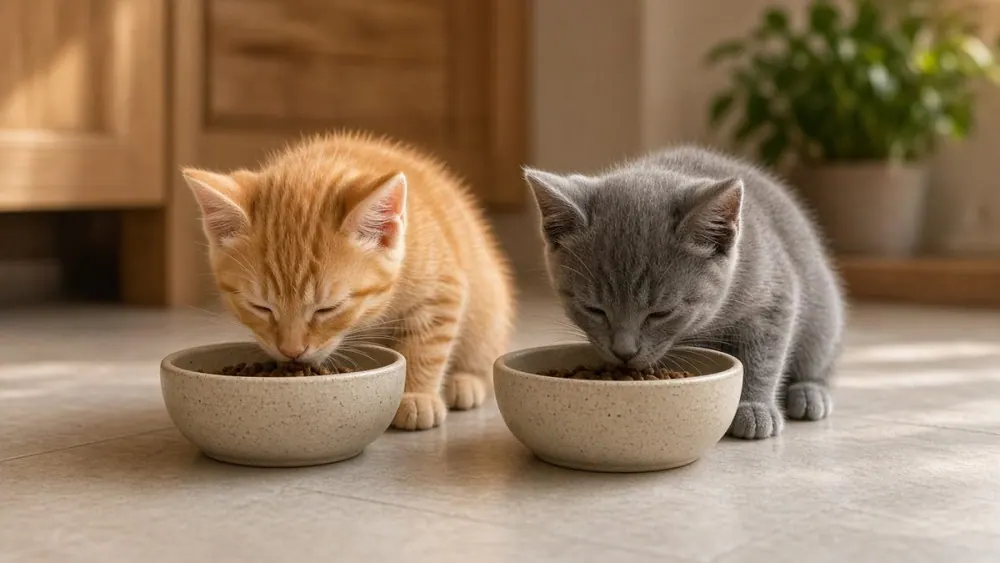
Kittens grow fast in the first year, and they need a food that is labeled as complete and balanced for growth or for kittens, not an adult maintenance recipe alone. Wet food adds moisture. Dry food is convenient to leave out in small, measured amounts. Many households use both. None of these bags or cans replaces veterinary care, deworming, or a diet your veterinarian has prescribed for a sick kitten.
A complete kitten food also makes a practical gift for a new kitten household. See our gifts for a new puppy or kitten owner guide for that bag and other first-week setup items.
For feline feeding basics, see the Cornell Feline Health Center guide to feeding your cat and the AAFCO’s consumer guide to understanding pet food. A complete-and-balanced statement, described in the FDA guidance on complete and balanced pet food, is the baseline, not a marketing line.
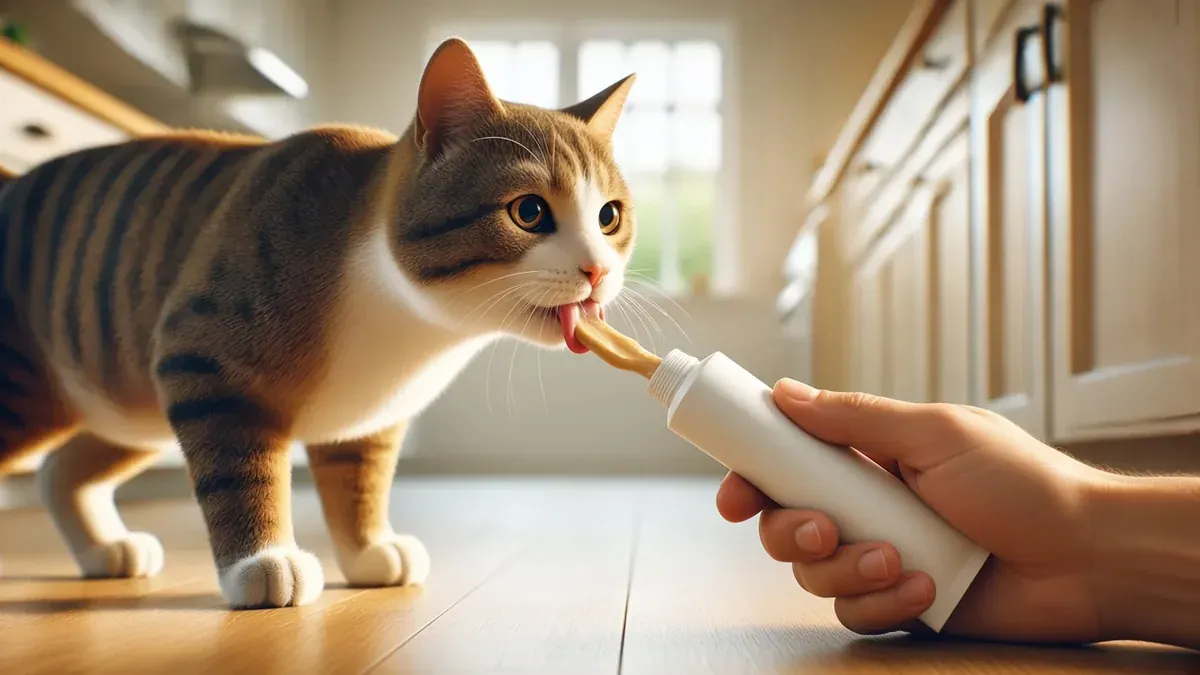
This shortlist compares four in-stock kitten foods: a 3.5-pound bag of Hill’s Science Diet kitten kibble, a 3.5-pound bag of Purina Pro Plan Complete Essentials kitten kibble, a 24-pack of Pro Plan flaked wet food, and a 24-pack of Hill’s kitten canned food. We are not running feeding trials in a cattery. We are comparing current listings, life-stage claims, and how the foods are meant to be fed. For more on wet and dry food in general, see our guides to canned cat food and how to find the best dry cat food. Squeeze-up tubes are treats, not meals; see lickable cat treats.
As an Amazon Associate, we earn from qualifying purchases.
Quick picks
- Best widely recommended dry food: Hill’s Science Diet Kitten, chicken, 3.5 lb — a dry kitten formula the listing says uses DHA from fish oil and balanced minerals, with a seven-day transition and a recommended minimum age of one month. Follow the bag, not the marketing headline.
- Best budget-friendly dry food: Purina Pro Plan Complete Essentials Kitten, chicken and rice, 3.5 lb — chicken is the first ingredient, with DHA, live probiotics, taurine, and no artificial colors or flavors, according to the listing.
- Best flaked wet food: Purina Pro Plan Development wet kitten food, ocean whitefish and tuna, 24 x 3 oz — a complete and balanced flaked entrée for the first year. The listing’s starting point is about one can per 1.5 to 2 pounds of body weight daily, split into three or more meals.
- Best minced canned option: Hill’s Science Diet Kitten, liver and chicken, 24 x 5.5 oz — a larger can size for households that go through a lot of wet food, with the same seven-day switch advice as the dry bag.
Comparison table
| Product | Best for | Pack we linked | Life stage (listing) | Good to know |
|---|---|---|---|---|
| Hill’s Science Diet Kitten dry, chicken | A widely available dry kitten food | 3.5 lb bag | Kitten; listing notes a 1-month minimum age | Listing highlights DHA, minerals, and protein. Transition over 7 days. Keep water down at all times. |
| Pro Plan Complete Essentials Kitten dry | A high-protein dry option at a lower typical bag price | 3.5 lb bag, chicken and rice | Kitten (“baby” / first-year formula) | Chicken first. DHA, probiotics, vitamin A, and taurine are listed. No artificial colors or flavors, per the page. |
| Pro Plan Development wet, whitefish and tuna | A moist, complete meal or a wet half of a mixed diet | 24 cans, 3 oz each | Kittens up to one year | Complete and balanced, per the listing. Contains fish. Divide the daily amount into several meals. |
| Hill’s Science Diet Kitten wet, liver and chicken | A larger canned serving for growing kittens | 24 cans, 5.5 oz each | Kitten; 1-month minimum age on the listing | Listing mentions DHA from fish oil. Transition over 7 days. Do not treat leftover cans as a week-long open stash; refrigerate and follow the label. |
Formulas, bag weights, and calorie counts change. Confirm that the label in your hand still says complete and balanced for kittens or growth, and check the flavor if your kitten cannot have fish or a particular protein.
How to choose kitten food
Look for a complete and balanced statement for growth, for kittens, or for all life stages, not just “made with real chicken.” Treats, broth, and lickable tubes do not meet that standard on their own. If a kitten has a medical issue, use the diet your veterinarian recommends, even if it is not on this shortlist.
Wet food helps with hydration, which matters because many cats do not drink a lot. A cat water fountain can also encourage drinking, but wet meals are often the more reliable moisture source. Dry food is handy for measured free-choice or puzzle feeding once a kitten is weaned and eating well. A mix is fine if the total calories still fit the feeding guide and the kitten’s body condition.
Switch foods gradually over about seven days, as both Hill’s listings advise, unless your veterinarian says to change faster. Keep fresh water down. Cow’s milk is not a kitten food and often causes diarrhea. Very young, orphaned, or poorly sucking kittens may still need a milk replacer and hands-on care; these canned and dry foods are for kittens that are already eating solid food, generally from about one month of age onward per the Hill’s listings, with your veterinarian’s guidance.
Feed enough to keep a visible waist and easily felt ribs with a light fat cover, not a bloated or skinny kitten. The Pro Plan wet listing’s starting point is about one 3-ounce can per 1.5 to 2 pounds of body weight daily, split into three or more meals. Adjust from there. Free-choice dry food can work for some kittens and lead to extra weight in others, so weigh the kitten and look at the body, not just the bowl.
Most cats move to an adult food around 12 months, unless your veterinarian suggests a longer kitten period for a large or slow-growing cat, or a different diet sooner. Much later, many older cats move again to a senior cat food labeled for 11 years and up; that change should follow a checkup, not only a birthday. A pregnant or nursing queen is often fed a kitten or growth diet as well; ask your clinic rather than guessing.
1. Best widely recommended dry food: Hill’s Science Diet Kitten (chicken, 3.5 lb)
The Hill’s Science Diet Kitten chicken recipe is a 3.5-pound dry bag that was in stock from Amazon when we checked. The listing says balanced minerals support growing bones and teeth, DHA and fish oil support brain and eye development, an antioxidant blend supports the immune system, and high-quality proteins fuel growing muscle. Those are formulation claims, not results we measured. The bag also carries the brand’s familiar “veterinarian recommended” language, which is marketing, not a prescription.
Directions on the listing are practical: use the package feeding guide, adjust to keep a good weight, transition over seven days, and keep water available. The listed minimum age is one month. If a kitten is not gaining, has diarrhea, or will not eat, that is a veterinary visit, not a reason to keep switching flavors on your own.
2. Best budget-friendly dry food: Purina Pro Plan Complete Essentials Kitten (3.5 lb)
The Pro Plan Complete Essentials Kitten bag is also 3.5 pounds, with chicken as the first ingredient and rice in the name. The listing highlights a high-protein formula, DHA, bite-size kibble, guaranteed live probiotics, vitamin A and taurine for vision, and no artificial colors or flavors. The current bag was in stock from Amazon when we checked, typically at a lower price than the Hill’s bag of the same weight.
Read the ingredient list if you are avoiding a particular grain or protein. “No artificial colors” is not the same thing as a limited-ingredient or veterinary diet. Use the bag’s feeding guide, and do not treat probiotics as a treatment for diarrhea or a sensitive stomach. If a kitten has chronic loose stool, see a veterinarian before you add more supplements.
3. Best flaked wet food: Purina Pro Plan Development (24 x 3 oz)
The Pro Plan Development flaked entrée is a 24-count box of 3-ounce cans in ocean whitefish and tuna. The listing says it is 100 percent complete and balanced, formulated for the first year, with DHA, antioxidants, vitamin A, and taurine. It was in stock from Amazon when we checked. Because this flavor is fish, skip it or ask your veterinarian first if the kitten has a known fish issue or is on a strict novel-protein plan.
The printed starting ration is one can per 1.5 to 2 pounds of body weight daily, divided into three or more meals, then adjusted so the kitten does not get too heavy. That is a lot of food for a very small kitten if you mis-weigh them, so use a scale and the can size in your hand. Refrigerate leftovers and discard them on the schedule printed on the label.
4. Best minced canned option: Hill’s Science Diet Kitten (24 x 5.5 oz)
The Hill’s liver and chicken 5.5-ounce cans come in a 24-pack, which is a larger serving than the 3-ounce Pro Plan cans. The listing mentions DHA from fish oil, high-quality protein, and balanced minerals, and it repeats the seven-day transition and one-month minimum age. The current 24-pack was in stock from Amazon when we checked.
A 5.5-ounce can can be more than one meal for a young kitten. Split it, cover and refrigerate what you do not use, and throw it out when the label says to. This flavor includes liver and chicken; it is still not a homemade raw diet, and it is not a veterinary renal or allergy food.
Feeding logistics and when to call the vet
Offer several small meals a day rather than one large one, especially for young kittens. Wash bowls, throw out wet food that has sat out too long, and keep dry food in a sealed container. If you switch between wet and dry, count both toward the day’s calories.
Call your veterinarian if a kitten is not gaining, has repeated vomiting or diarrhea, has a bloated belly, struggles to breathe, or suddenly stops eating. A new food is not a dewormer, and it is not treatment for fading kitten syndrome or an upper respiratory infection.
A very young kitten is a poor candidate for an unsupervised 5-liter hopper. If you are considering a timed feeder later, our automatic cat feeders guide explains which models are for dry food only.
FAQ
If you take one thing from this guide, let it be this: buy a complete kitten or growth food, transition slowly, and judge success by the kitten’s weight and energy, not by the bag’s marketing claims. When you are unsure about an amount or a lingering stomach issue, ask your veterinarian.