Can Cats Eat Chocolate? Understanding the Dangers of Chocolate for Felines
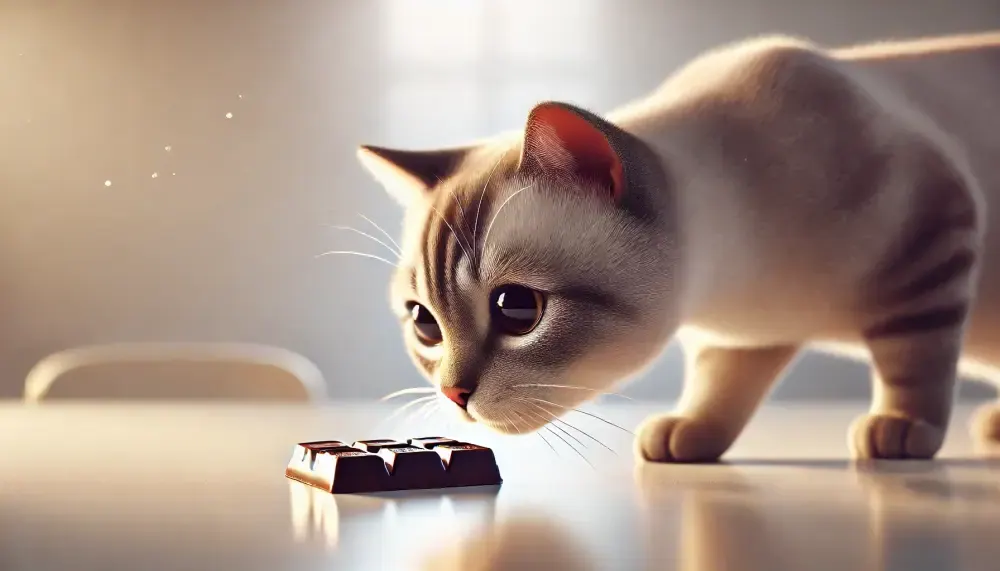
Chocolate is one of the world’s most beloved treats for humans, but for cats, it’s a different story. Many pet owners might wonder if sharing chocolate with their feline friends could harm them, or if small amounts might be safe. Unfortunately, chocolate contains compounds that are not just unhealthy but toxic to cats, making it essential for pet owners to understand the dangers and keep this treat well out of their reach.
As an Amazon Associate, we earn from qualifying purchases.
Why Is Chocolate Dangerous for Cats?
The primary reason chocolate is toxic to cats is because it contains two substances: theobromine and caffeine. While these compounds are harmless in small doses to humans, they are highly toxic to cats. Cats metabolize these chemicals much more slowly than humans, causing the toxins to build up in their system quickly, which can lead to severe health issues.
Theobromine is the main culprit. It’s a stimulant found in cocoa, the base ingredient of chocolate, and it affects the central nervous system, heart, and kidneys. Even small amounts can cause symptoms in cats due to their small body size and sensitivity to theobromine. The darker the chocolate (like dark or baker’s chocolate), the more theobromine it contains, making it even more dangerous.
Caffeine works similarly to theobromine and can lead to increased heart rates and nervousness in cats. While caffeine alone is dangerous, when combined with theobromine, it compounds the toxic effect, making chocolate even more harmful to feline health.
Signs of Chocolate Toxicity in Cats
If a cat consumes chocolate, it’s crucial to recognize the symptoms of toxicity quickly. Early intervention can make a significant difference in recovery. Here are the most common signs to look out for:
- Vomiting and Diarrhea: These are typically the first symptoms. The chocolate irritates the stomach and intestines, causing nausea and discomfort.
- Increased Heart Rate: The stimulants in chocolate affect the cat’s cardiovascular system, leading to rapid heartbeat and potential heart arrhythmias.
- Hyperactivity and Restlessness: Cats may become unusually energetic, nervous, or restless due to the stimulants.
- Tremors and Muscle Rigidity: Chocolate toxicity can affect the cat’s muscles, leading to tremors or a lack of coordination.
- Seizures: In severe cases, chocolate toxicity can result in seizures or even coma if left untreated.
- Excessive Thirst and Urination: The diuretic effects of caffeine and theobromine may cause the cat to drink and urinate more than usual.
How Much Chocolate Is Harmful?
It’s challenging to determine an exact “safe” amount of chocolate for cats since even small amounts can be harmful. Factors such as the type of chocolate, the cat’s size, and its overall health all play a role. Darker chocolate varieties, like baking chocolate, are much more dangerous than milk or white chocolate due to their higher cocoa content.
Just a small square of dark chocolate can be fatal for an average-sized cat. Milk chocolate has lower levels of theobromine but is still harmful and can cause symptoms if ingested. In any case, it’s best to keep chocolate far out of reach to avoid accidental ingestion.
What to Do If Your Cat Eats Chocolate
If you suspect that your cat has eaten chocolate, take action immediately. Here’s what to do:
- Assess the Situation: Try to determine how much chocolate your cat may have eaten and what type it was (dark, milk, or white). Knowing this can help the veterinarian understand the potential severity of the situation.
- Contact Your Veterinarian: Call your vet or a pet poison control hotline immediately. They can provide guidance on the next steps and may ask you to bring your cat in for an examination.
- Do Not Induce Vomiting Without Guidance: Unlike some other substances, inducing vomiting may not always be safe for cats, and it should only be done under a vet’s direction. The vet may use specific medications to help your cat expel the toxins safely.
- Watch for Symptoms: If you are unable to get immediate help, closely monitor your cat for any symptoms of toxicity. However, it’s always better to get veterinary help as soon as possible rather than waiting for symptoms to appear.
Preventing Chocolate Poisoning in Cats
While chocolate might not seem like an obvious danger to cats (who are obligate carnivores and usually less interested in sweets), some cats are curious and may sniff or even nibble on anything left within reach. Here are some tips to keep chocolate safely away from your feline friend:
- Store Chocolate Out of Reach: Keep all chocolate products in sealed containers or cabinets. Avoid leaving chocolate on countertops, tables, or anywhere a cat might jump or reach.
- Educate Family and Friends: Make sure everyone in your home understands that chocolate is dangerous to cats. Remind them not to leave chocolate unattended.
- Dispose of Chocolate Wrappers Carefully: Cats can sometimes chew on wrappers, which may still contain chocolate residue. Properly dispose of any wrappers in a secure trash bin.
- Be Cautious with Chocolate-Flavored Foods: Chocolate isn’t just in candy bars. Be mindful of foods like cakes, cookies, and even certain ice creams that may contain chocolate and pose a risk to your cat.
Other Foods That Are Harmful to Cats
Chocolate isn’t the only food that’s harmful to cats. Being aware of other common toxic foods can help you avoid potential accidents. Some of the most common ones include:
- Grapes and Raisins: These can cause kidney failure in cats.
- Onions and Garlic: These can damage red blood cells and lead to anemia.
- Alcohol: Even a small amount of alcohol can be deadly to a cat.
- Xylitol: A sugar substitute found in many sugar-free foods, which is toxic to both cats and dogs.
Always ensure that any food not specifically made for cats is out of their reach, and consult your vet if you’re unsure about the safety of a particular food.
Safer Treats for Cats
If you’re looking for a way to indulge your cat safely, consider cat-specific treats. There are many tasty options that cater to their natural preferences and nutritional needs:
- Catnip: Many cats enjoy catnip as a treat. It’s safe and provides a natural way for them to have fun.
- Cat Grass: Cats often enjoy nibbling on certain grasses, which can aid in digestion.
- Commercial Cat Treats: Choose from a variety of flavors designed specifically for feline tastes.
See top-rated cat treats on Amazon
If you are unsure whether a food is safe, the ASPCA’s list of people foods to avoid feeding pets is a reliable starting point, and a veterinarian or poison-control professional should be called if a pet already ate something questionable.
If you are comparing this with other extras, we also have a guide on Can Cats Eat Peanut Butter? It’s Not a Good Idea.
Final Thoughts on Chocolate and Cats
While sharing food with pets can feel like an expression of love, it’s important to recognize which foods are safe and which can be dangerous. Chocolate is one of the most toxic foods for cats, and even small amounts can lead to severe health consequences. By staying informed and vigilant, you can protect your cat from chocolate toxicity and keep them healthy and happy for years to come.