Can Cats Eat Peanut Butter? It’s Not a Good Idea
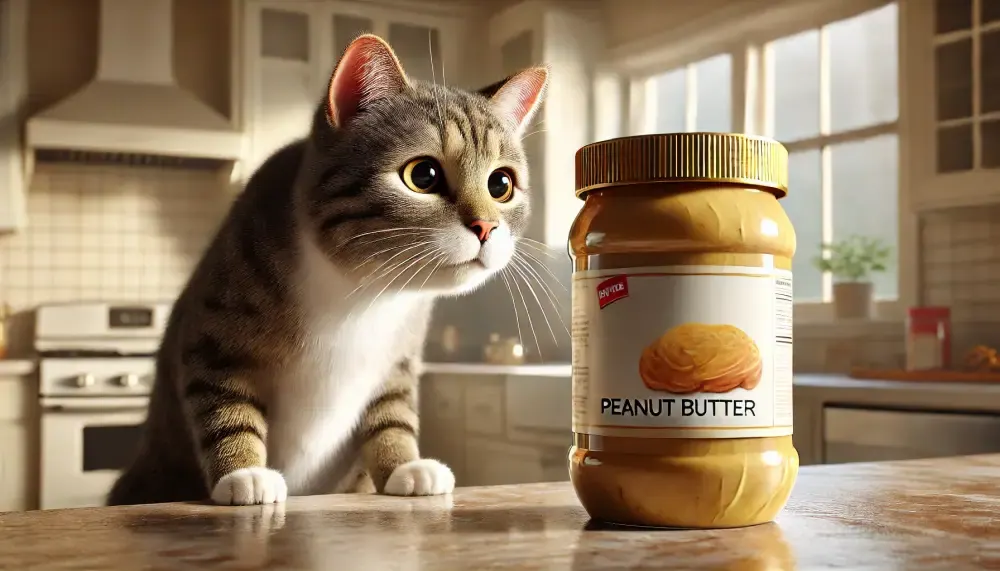
Peanut butter is not a useful food for cats. They are obligate carnivores, and peanut butter is a fatty, salty, calorie-dense human snack. A tiny lick of a simple, xylitol-free peanut butter is unlikely to poison a healthy cat, but it is easy to overdo, and xylitol (birch sugar) in some nut butters is dangerous. There is no good reason to use peanut butter as a regular cat treat.
If you are unsure whether a food is safe, the ASPCA’s list of people foods to avoid feeding pets is a reliable starting point, and a veterinarian or poison-control professional should be called if a pet already ate something questionable.
If you are comparing this with other extras, we also have a guide on Can Cats Eat Eggs? A Complete Guide for Cat Owners.
As an Amazon Associate, we earn from qualifying purchases.
If you want a treat your cat will actually use as a cat, a best lickable cat treats or a teaspoon of a complete best canned cat food is a more appropriate option. Keep peanuts and people snacks out of reach, and call a veterinarian or poison helpline if you think the product contained xylitol or if your cat is unwell.
Peanut butter is a popular treat among humans and even dogs, but when it comes to cats, it’s essential to consider if this snack is safe or healthy. Cats have unique dietary needs, and their systems process foods differently than ours. So, can cats eat peanut butter? Let’s dive into the details to help you make an informed choice for your feline companion.
Understanding a Cat’s Diet and Peanut Butter’s Role
Cats are obligate carnivores, which means they need a meat-based diet to thrive. Their systems are specifically designed to digest proteins and fats from animal sources rather than plant-based foods. While cats can handle small amounts of certain non-meat foods, peanut butter might not be an ideal choice due to its ingredients and nutrient profile. Peanut butter is high in fats, oils, and additives that may not align with a cat’s natural dietary needs.
The Ingredients in Peanut Butter: Are They Safe for Cats?
Let’s break down some common ingredients in peanut butter and assess their impact on cats:
- Fat Content: Peanut butter contains significant amounts of fats. Although cats need fats in their diet, the type of fats in peanut butter may be harder for them to digest, potentially leading to weight gain, gastrointestinal issues, or even pancreatitis in sensitive cats.
- Sugar: Many commercial peanut butters contain added sugars. Cats don’t process sugars well, and excessive sugar intake can lead to obesity and dental issues. Moreover, cats lack taste receptors for sweetness, so the sugar doesn’t even enhance their enjoyment of the food.
- Salt: Peanut butter often has salt, which, in small amounts, might not harm a cat but can become problematic if they consume it regularly. Too much salt can strain a cat’s kidneys and lead to dehydration.
- Xylitol: Some peanut butters contain xylitol, a sugar substitute that is toxic to dogs and potentially harmful to cats. Even a tiny amount of xylitol can cause severe health issues, including liver failure, so be cautious with xylitol-containing peanut butters.
Is Peanut Butter Nutritious for Cats?
While peanut butter contains protein and healthy fats, its overall nutrient profile doesn’t match a cat’s dietary needs. Cats rely primarily on taurine, amino acids, and vitamins found in meat. Unfortunately, peanut butter lacks these essential nutrients, so it doesn’t provide significant health benefits for cats.
Additionally, peanut butter’s caloric density can contribute to weight gain in cats if consumed regularly. Even a small spoonful can add unnecessary calories, which can impact cats, especially those prone to obesity or with limited activity levels.
Potential Health Risks of Peanut Butter for Cats
Feeding peanut butter to cats comes with several risks. Here are some potential concerns to consider:
- Digestive Upset: Cats may experience digestive discomfort after eating peanut butter, leading to symptoms like vomiting or diarrhea. The thick texture can also make it difficult for cats to swallow.
- Pancreatitis: The high-fat content in peanut butter can trigger pancreatitis in cats, a painful and potentially life-threatening inflammation of the pancreas. Cats with a history of pancreatitis or a sensitive digestive system should avoid high-fat foods.
- Choking Hazard: Peanut butter’s sticky consistency can be challenging for cats to handle, potentially leading to choking or gagging, especially if they attempt to lick it up in one go.
- Allergic Reactions: While rare, some cats may have allergies to peanuts or other nuts used in peanut butter. Allergic reactions may include itching, skin irritations, or gastrointestinal issues.
Safer Alternatives to Peanut Butter for Cats
If you’re looking for ways to treat your cat, there are safer options that cater to their unique nutritional needs. Here are a few alternatives that may satisfy your cat without the risks associated with peanut butter:
- Cat Treats: Commercially available cat treats are formulated to meet feline dietary requirements. Look for treats that prioritize high-quality animal proteins and avoid fillers like grains or added sugars.
- Cooked Meat: Plain, cooked chicken, turkey, or small pieces of fish can be a delicious and safe treat for your cat. Just be sure not to add any seasoning or spices.
- Catnip or Cat Grass: Many cats love catnip or cat grass, and these can be a healthy, low-calorie treat option. Catnip, in particular, can be a fun, safe treat if your cat enjoys it.
- Homemade Cat Treats: You can also make simple treats at home using ingredients like tuna, eggs, or chicken. Homemade treats allow you to control what goes into your cat’s snacks, ensuring they get wholesome ingredients without added sugars or preservatives.
When Is It Okay for Cats to Have Peanut Butter?
If you’re still considering giving peanut butter to your cat, make it an occasional, small treat and monitor for any adverse reactions. Here are some tips to keep it safe:
- Limit the Quantity: If you do offer peanut butter, stick to a pea-sized amount and avoid feeding it frequently. This small amount minimizes the risk of digestive upset or excessive calorie intake.
- Choose Natural Peanut Butter: Look for peanut butter with no added sugars, salt, or xylitol. The fewer additives, the lower the risk of health issues. Some pet-specific peanut butter options are formulated without harmful ingredients, but check the label carefully.
- Monitor Your Cat’s Reaction: After giving peanut butter, observe your cat for any signs of discomfort, vomiting, diarrhea, or lethargy. If any of these symptoms occur, discontinue feeding peanut butter and consult your veterinarian.
Should You Feed Your Cat Peanut Butter?
While peanut butter isn’t toxic to cats in tiny amounts, it also doesn’t provide any substantial health benefits and comes with potential risks. For cats with sensitive digestion or weight management issues, peanut butter is best avoided. Instead, opt for treats specifically designed for cats, which are more nutritious and safer for their unique dietary needs.
In summary, while you may enjoy peanut butter yourself, it’s essential to prioritize foods that support your cat’s well-being. When in doubt, consult your veterinarian to determine the best treats and foods for your cat’s health and happiness.