Can Dogs See in the Dark?
Related reading: Dogfighting: The Dark Reality Behind a Cruel Bloodsport.
For general pet-health questions, the AVMA pet-owner resources are a reliable starting point, and your veterinarian should guide individual decisions.
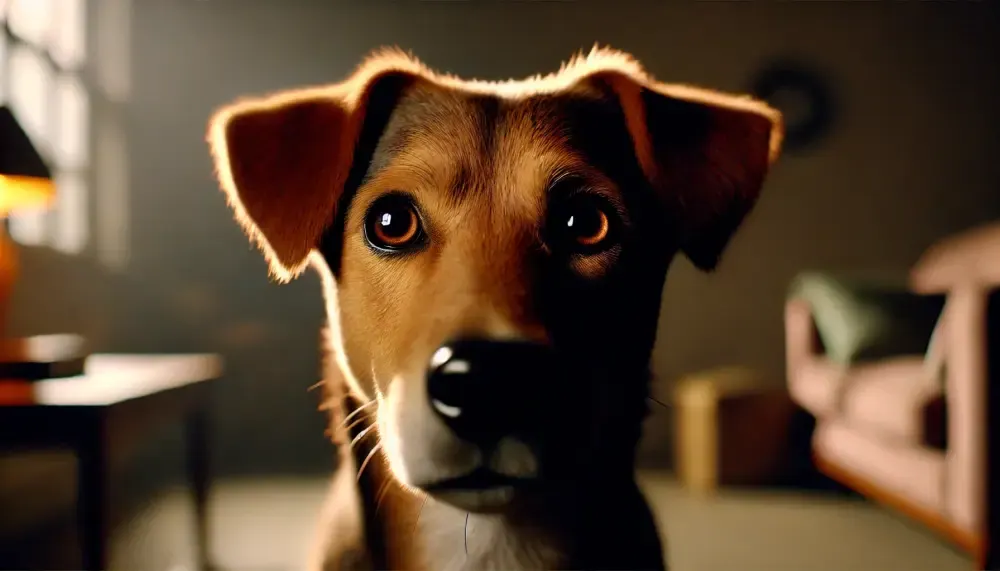
Understanding how dogs see the world, especially in low-light settings, reveals just how adapted they are to their environment. While dogs can’t see in pitch darkness like some nocturnal animals, they have remarkable night vision abilities that let them navigate and detect movement in dimly lit areas. This advantage is thanks to their evolutionary background and specific eye structures tailored for detecting light and motion.
The Science Behind Dog Night Vision
Unlike humans, who primarily rely on clear, color-differentiated vision, dogs have evolved with heightened sensitivity to light and motion, allowing them to perceive their surroundings even with limited lighting. Let’s explore some fascinating aspects of their vision that contribute to their ability to see in the dark.
Tapetum Lucidum: The Reflective Layer in Canine Eyes
One of the primary factors that give dogs an edge in low-light vision is the tapetum lucidum, a reflective layer behind the retina. This layer acts like a mirror, bouncing light back through the retina, allowing photoreceptor cells in the eye to receive more light. Essentially, the tapetum lucidum doubles the amount of light available to the photoreceptors, increasing their sensitivity and helping dogs to see better in dim conditions.
The tapetum lucidum is also responsible for the distinctive “eye shine” often seen when light hits a dog’s eyes at night. It’s a trait shared by many animals that are active in low-light conditions, such as cats and some wild animals. This reflective layer enhances their vision without consuming extra energy, helping them remain alert and responsive even in near darkness.
The Role of Rods and Cones in Dog Vision
Canine eyes have a higher concentration of rod cells than human eyes. Rods are photoreceptor cells in the retina that are highly sensitive to light and motion, enabling night vision and aiding in detecting movement. While humans have more cone cells (which are responsible for color vision), dogs rely more on rods. This distribution of rods over cones explains why dogs are less adept at seeing a wide range of colors but have better vision in low-light conditions.
The high rod cell count also enhances a dog’s ability to perceive motion even in low light, making them particularly suited for detecting movement in dark environments. This adaptation was advantageous in their wild ancestors, who hunted primarily at dawn and dusk when visibility was low.
How Well Can Dogs See in the Dark?
Although dogs are well-equipped for low-light situations, they do have limitations. Unlike nocturnal animals, dogs can’t see in complete darkness. They still require some ambient light, even if it’s minimal, to navigate effectively. In a completely dark room, a dog would struggle just as a human would, but with even a sliver of light—like moonlight filtering through a window—they can maneuver with relative ease.
The combination of the tapetum lucidum and the increased concentration of rod cells allows dogs to see about five times better than humans in low light. They can distinguish shapes and detect motion at night more efficiently, even if they don’t see colors or fine details as clearly as humans during the day.
Comparison to Human Night Vision
Humans rely heavily on cone cells, which allow for vibrant color vision but aren’t very effective in low-light environments. Our eyes also lack the tapetum lucidum, meaning we cannot enhance available light to the extent that dogs can. While we may struggle to see objects clearly in twilight or starlit conditions, dogs have a much easier time recognizing shapes and movements in similar lighting conditions.
In essence, what might appear as a murky, shadowy environment to us can appear much clearer to a dog. Their eyes are optimized for survival in these conditions, and they can catch the slightest flicker of movement, which would easily go unnoticed by a human.
Factors That Affect a Dog’s Night Vision
Just like in humans, various factors can impact a dog’s night vision. Some of these factors include:
- Age: As dogs get older, their vision may naturally deteriorate, including their ability to see in low light. Conditions like cataracts or other age-related eye problems can impair their night vision.
- Breed Variations: Certain dog breeds have better night vision than others. For example, breeds developed for hunting or working, such as German Shepherds, Labrador Retrievers, and Beagles, often have sharper night vision because their work required them to operate in low-light settings. Conversely, breeds not selected for these traits may have slightly reduced night vision capabilities.
- Health Conditions: Eye health plays a significant role in a dog’s ability to see at night. Disorders like glaucoma, progressive retinal atrophy (PRA), or sudden acquired retinal degeneration syndrome (SARDS) can diminish a dog’s night vision. Regular veterinary check-ups can help catch these conditions early.
Tips to Support Your Dog’s Night Vision
While dogs are naturally equipped with impressive night vision, there are ways to ensure their eyesight remains healthy. Here are some tips for pet owners to help their dogs maintain good vision throughout their lives:
- Provide a Balanced Diet: Nutrients like vitamin A, antioxidants, and omega-3 fatty acids support eye health. Including foods rich in these nutrients in your dog’s diet can help keep their vision sharp.
- Regular Eye Check-Ups: Routine vet visits, especially as your dog ages, can help catch any eye-related issues early. Early diagnosis of conditions like cataracts or glaucoma can often slow down vision deterioration.
- Maintain a Safe Environment: Keep areas well-lit, especially as your dog gets older. Although dogs don’t need bright lights to see, ensuring sufficient ambient lighting can help prevent accidents, particularly for senior dogs who may struggle more with vision in low light.
- Watch for Warning Signs: If you notice your dog bumping into objects, having trouble navigating stairs, or appearing hesitant in dark environments, they may be experiencing vision issues. A veterinarian can assess their eyesight and recommend any necessary treatment.
Understanding how your dog sees the world, particularly in low-light situations, helps deepen the bond you share with them. Their evolutionary adaptations equip them to see well in dim conditions, enhancing their natural instincts and allowing them to interact confidently with their environment. While they may not possess supernatural night vision, their ability to see in the dark surpasses that of humans, providing them a unique advantage.
By supporting your dog’s eye health with regular check-ups, a nutritious diet, and a safe, accessible environment, you can ensure they continue to enjoy their extraordinary vision abilities well into their later years.