Dog Anal Gland Problems
Related reading: How to Tell if Your Dog’s Anal Glands Are Full.
This is general information, not a diagnosis. The Merck Veterinary Manual dog-owner pages are a reliable place to read more before you talk with your veterinarian.
Dog anal glands, also known as anal sacs, are small glands located on either side of a dog’s rectum. Though often overlooked, these glands play an essential role in a dog’s health by producing a distinct-smelling fluid used for marking territory and communication. When functioning correctly, these glands empty naturally when dogs defecate. However, issues can arise if the glands fail to empty properly, leading to discomfort and potential complications.
In this article, we will explore what causes anal gland problems in dogs, the common symptoms to look for, and the best treatment options to ensure your dog stays healthy and happy.
What Are Dog Anal Glands?
Dog anal glands are small, pea-sized sacs located just below and to the side of a dog’s anus. These glands are responsible for secreting a fluid that has a unique scent, allowing dogs to mark their territory and communicate with other animals. Normally, when a dog passes stool, the pressure exerted helps to empty these sacs.
Problems arise when the sacs fail to empty, which can lead to impaction, infection, or even abscesses. Understanding the underlying causes of anal gland issues can help dog owners prevent these painful problems.
Common Causes of Dog Anal Gland Problems
- Impaction: This occurs when the anal glands fail to empty properly, often due to soft stools that don’t provide enough pressure. The fluid within the sacs thickens, leading to blockages.
- Infections: If the impacted anal glands become infected, they can cause pain and discomfort. The infection can also lead to abscess formation, which is a more serious condition.
- Dietary Factors: Poor diet, especially one low in fiber, can contribute to softer stools, which may not provide enough pressure to empty the anal glands.
- Obesity: Overweight dogs may experience more frequent anal gland issues because excess weight can hinder the proper function of these glands.
- Allergies: Dogs with skin or food allergies may be more prone to anal gland problems, as allergies can cause inflammation around the anal area, exacerbating issues.
Symptoms of Anal Gland Issues in Dogs
Recognizing the symptoms of anal gland problems early on is essential in preventing more serious complications. Some common signs to watch for include:
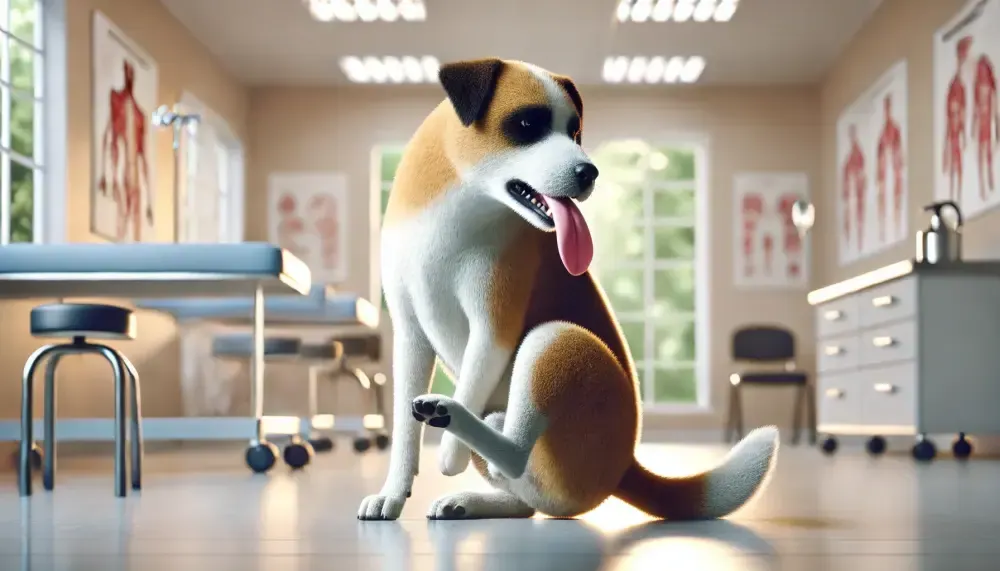
- Scooting: One of the most recognizable symptoms is when a dog drags its bottom across the floor in an attempt to relieve pressure and discomfort.
- Licking or Biting the Rear End: Dogs will often lick or chew around their anus or tail area when they experience irritation or pain from full or impacted anal glands.
- Swollen or Red Anus: Visible swelling or redness around the anus may indicate an infection or inflammation.
- Bad Odor: If your dog has a persistent foul smell around its rear, this could be due to anal gland secretions not being properly expressed.
- Pain or Whimpering During Defecation: Dogs experiencing anal gland problems may have difficulty or show signs of pain while defecating.
- Visible Abscesses or Blood: In severe cases, abscesses may form and burst, causing blood or pus to be visible around the anus.
If you notice any of these symptoms, it is important to consult your veterinarian promptly. Left untreated, anal gland issues can lead to more severe complications.
Treatment Options for Dog Anal Gland Problems
The good news is that most anal gland issues are treatable with proper care. Depending on the severity of the problem, treatment options range from home remedies to more advanced veterinary procedures.
- Manual Expression: For mild cases, a veterinarian or experienced groomer can manually express the anal glands, releasing the trapped fluid. This procedure can provide immediate relief for the dog.
- Dietary Adjustments: Feeding your dog a high-fiber diet can help ensure firmer stools, which can naturally express the anal glands during defecation. Adding fiber supplements to your dog’s diet, such as pumpkin or specialized high-fiber dog food, can make a significant difference.
- Medications: If the anal glands are infected, your vet may prescribe antibiotics to clear up the infection. Anti-inflammatory medications may also be recommended to reduce swelling and pain.
- Warm Compresses: In cases where the glands are inflamed, applying warm compresses to the area can help reduce swelling and promote drainage.
- Surgical Removal: In rare, chronic cases where anal gland problems persist despite treatment, surgical removal of the anal glands may be recommended. This is typically a last resort, as it carries risks but can provide a permanent solution to recurring issues.
Preventing Future Anal Gland Problems
While some dogs may be more prone to anal gland issues, there are steps you can take to reduce the likelihood of future problems:
- Regular Grooming: Ensure that your dog is regularly groomed, particularly around the anal area. Groomers often check and express anal glands as part of routine care.
- High-Fiber Diet: Maintaining a diet rich in fiber is one of the most effective ways to ensure that your dog’s anal glands are expressed naturally during bowel movements.
- Healthy Weight: Keeping your dog at a healthy weight reduces the pressure on the anal glands, preventing issues from arising.
- Vet Checkups: Regular visits to the vet can help catch potential problems early on before they develop into more serious conditions.
Dog anal gland problems can be uncomfortable and painful for your pet, but with early detection and proper care, these issues are manageable. By recognizing the symptoms and addressing the causes, you can help your dog maintain healthy anal glands and avoid the need for more invasive treatments. Always consult with your veterinarian for the best course of action tailored to your dog’s specific needs.
Keeping your dog healthy, comfortable, and happy is a top priority for any pet owner, and staying informed about anal gland health is just one way to ensure your dog’s overall well-being.