How Much Should My Dog Weigh?
For general pet-health questions, the AVMA pet-owner resources are a reliable starting point, and your veterinarian should guide individual decisions.
Maintaining your dog’s health is a top priority, and ensuring that they maintain an ideal weight is a significant part of that responsibility. The correct weight for your dog can vary based on their breed, age, and overall health. Understanding how much your dog should weigh helps you prevent health issues like obesity or malnutrition. This article provides guidance on ideal dog weights and tips on managing your dog’s weight effectively.
Why Ideal Weight Matters for Dogs
Just like with humans, weight plays a crucial role in a dog’s overall health and wellbeing. An underweight or overweight dog is more prone to various health conditions, such as:
- Joint issues like arthritis
- Heart problems
- Diabetes
- Respiratory issues
- Reduced lifespan
Keeping your dog at their ideal weight ensures a higher quality of life, reducing the risk of these health issues.
What Factors Influence Your Dog’s Ideal Weight?
The ideal weight for your dog depends on several factors, including:
- Breed: Each dog breed has a specific range of ideal weight. Larger breeds like Labradors and German Shepherds have different weight expectations than smaller breeds like Pomeranians or Chihuahuas.
- Age: Puppies tend to gain weight as they grow, so their weight changes rapidly in the first year. Senior dogs may also experience weight fluctuations due to reduced activity.
- Gender: In some breeds, males tend to be heavier than females.
- Activity Level: Active dogs tend to burn more calories and maintain leaner bodies than less active dogs.
How to Know the Ideal Weight for Your Dog
1. Breed-Specific Weight Guidelines The best place to start is by looking up breed-specific weight charts. These charts provide a general guideline for how much your dog should weigh based on their breed and size category.
For example:
- Small Breeds (up to 20 lbs / 9 kg): Breeds like Dachshunds, Pomeranians, and Chihuahuas should weigh between 5 to 20 pounds (2.3 to 9 kg).
- Medium Breeds (20 to 50 lbs / 9 to 23 kg): Breeds like Beagles and Cocker Spaniels fall within the 25 to 50-pound (11 to 23 kg) range.
- Large Breeds (50 to 100 lbs / 23 to 45 kg): Labradors, German Shepherds, and Golden Retrievers should typically weigh between 50 to 100 pounds (23 to 45 kg).
- Giant Breeds (100+ lbs / 45+ kg): Breeds like Saint Bernards or Great Danes can weigh more than 100 pounds (45 kg and above).
2. Body Condition Score (BCS) Another effective way to determine if your dog is at their ideal weight is by using the Body Condition Score (BCS) system. This system ranks a dog’s body condition on a scale of 1 to 9:
- 1-3: Underweight (ribs are visible, minimal body fat)
- 4-5: Ideal weight (ribs can be felt without excess fat, visible waist)
- 6-9: Overweight (no defined waist, ribs are not easily felt)
Regularly assessing your dog using the BCS can help keep them in a healthy range. If you’re unsure how to evaluate your dog’s condition, your veterinarian can guide you through the process.
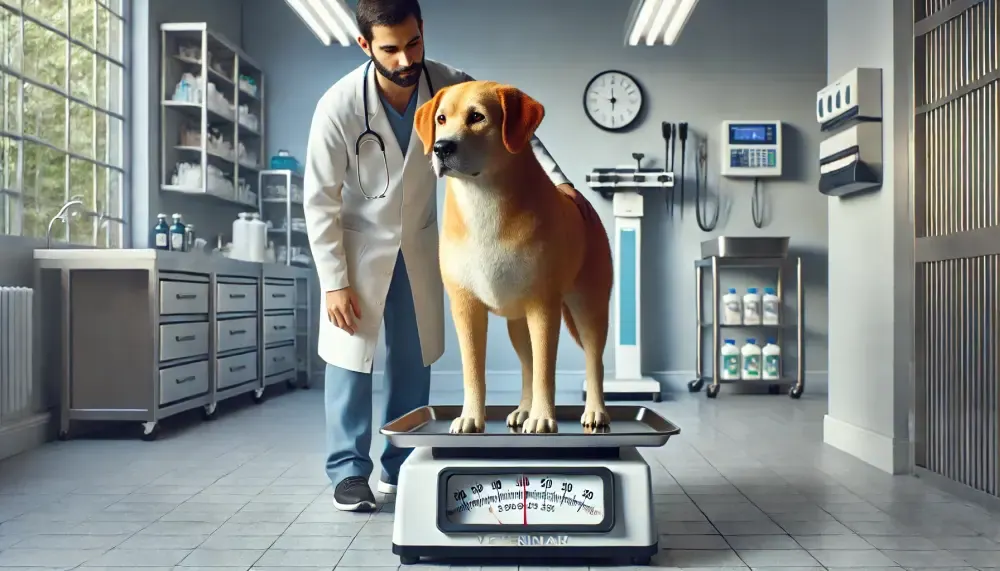
3. Regular Weigh-Ins Weighing your dog regularly, especially during vet visits, can help track any changes in their weight. Many pet owners prefer to weigh their dog at home using a scale designed for pets. For small dogs, you can hold them and step on a human scale, subtracting your weight afterward. For larger breeds, a dedicated pet scale might be necessary.
Ideal Weight Ranges Table for Popular Dog Breeds
The table below provides a detailed overview of the ideal weight ranges for various popular dog breeds, helping you determine the right target for your dog’s health and well-being. From small to giant breeds, this guide covers a wide array of dog types to ensure you’re informed about your pet’s specific needs.
| Breed | Weight (lbs) | Weight (kg) |
|---|---|---|
| Afghan Hound | 50 - 60 lbs | 22.7 - 27.2 kg |
| Airedale Terrier | 40 - 65 lbs | 18.1 - 29.5 kg |
| Akita | 70 - 130 lbs | 31.8 - 59 kg |
| Alaskan Klee Kai | 10 - 40 lbs | 4.5 - 18 kg |
| Alaskan Malamute | 75 - 85 lbs | 34 - 38.6 kg |
| American Bulldog | 60 - 120 lbs | 27 - 54.4 kg |
| American Cocker Spaniel | 20 - 30 lbs | 9 - 13.6 kg |
| American Eskimo Dog | 25 - 35 lbs | 11 - 15.9 kg |
| American Pit Bull Terrier | 30 - 85 lbs | 13.6 - 38.6 kg |
| American Staffordshire Terrier | 40 - 70 lbs | 18 - 31.8 kg |
| Anatolian Shepherd | 80 - 150 lbs | 36.3 - 68 kg |
| Appenzeller Sennenhund | 48 - 70 lbs | 21.8 - 31.8 kg |
| Australian Cattle Dog | 35 - 50 lbs | 15.9 - 22.7 kg |
| Australian Shepherd | 40 - 65 lbs | 18.1 - 29.5 kg |
| Australian Terrier | 15 - 20 lbs | 6.8 - 9 kg |
| Azawakh | 33 - 55 lbs | 15 - 25 kg |
| Barbet | 37 - 62 lbs | 16.8 - 28 kg |
| Basset Hound | 40 - 65 lbs | 18.1 - 29.5 kg |
| Beagle | 20 - 25 lbs | 9 - 11.3 kg |
| Bearded Collie | 45 - 55 lbs | 20.4 - 25 kg |
| Beauceron | 70 - 110 lbs | 31.8 - 49.9 kg |
| Belgian Malinois | 60 - 80 lbs | 27.2 - 36.3 kg |
| Belgian Sheepdog | 45 - 75 lbs | 20.4 - 34 kg |
| Belgian Tervuren | 45 - 75 lbs | 20.4 - 34 kg |
| Bernese Mountain Dog | 70 - 115 lbs | 31.8 - 52.2 kg |
| Bichon Frise | 12 - 18 lbs | 5.4 - 8.2 kg |
| Black and Tan Coonhound | 65 - 110 lbs | 29.5 - 49.9 kg |
| Bloodhound | 80 - 110 lbs | 36.3 - 49.9 kg |
| Border Collie | 30 - 45 lbs | 13.6 - 20.4 kg |
| Border Terrier | 11.5 - 15.5 lbs | 5.2 - 7 kg |
| Borzoi | 60 - 105 lbs | 27.2 - 47.6 kg |
| Boston Terrier | 12 - 25 lbs | 5.4 - 11.3 kg |
| Boxer | 55 - 70 lbs | 25 - 31.8 kg |
| Boykin Spaniel | 25 - 40 lbs | 11.3 - 18.1 kg |
| Briard | 55 - 100 lbs | 25 - 45.4 kg |
| Brittany Spaniel | 30 - 40 lbs | 13.6 - 18.1 kg |
| Bull Terrier | 50 - 70 lbs | 22.7 - 31.8 kg |
| Bulldog (English) | 40 - 50 lbs | 18.1 - 22.7 kg |
| Bulldog (French) | 16 - 28 lbs | 7.3 - 12.7 kg |
| Bullmastiff | 100 - 130 lbs | 45.4 - 59 kg |
| Cairn Terrier | 13 - 14 lbs | 5.9 - 6.4 kg |
| Cane Corso | 90 - 120 lbs | 40.8 - 54.4 kg |
| Cavalier King Charles Spaniel | 13 - 18 lbs | 5.9 - 8.2 kg |
| Chesapeake Bay Retriever | 55 - 80 lbs | 25 - 36.3 kg |
| Chihuahua | 3 - 6 lbs | 1.4 - 2.7 kg |
| Chinese Crested | 8 - 12 lbs | 3.6 - 5.4 kg |
| Chinese Shar-Pei | 45 - 60 lbs | 20.4 - 27.2 kg |
| Chow Chow | 45 - 70 lbs | 20.4 - 31.8 kg |
| Cocker Spaniel | 24 - 30 lbs | 10.9 - 13.6 kg |
| Collie | 50 - 75 lbs | 22.7 - 34 kg |
| Coton de Tulear | 9 - 15 lbs | 4 - 6.8 kg |
| Curly-Coated Retriever | 60 - 95 lbs | 27.2 - 43.1 kg |
| Dachshund (Miniature) | 11 - 16 lbs | 5 - 7.3 kg |
| Dalmatian | 45 - 70 lbs | 20.4 - 31.8 kg |
| Dandie Dinmont Terrier | 18 - 24 lbs | 8.2 - 10.9 kg |
| Doberman Pinscher | 60 - 100 lbs | 27.2 - 45.4 kg |
| Dogue de Bordeaux | 99 - 110 lbs | 45 - 49.9 kg |
| English Cocker Spaniel | 26 - 34 lbs | 11.8 - 15.4 kg |
| English Foxhound | 60 - 75 lbs | 27.2 - 34 kg |
| English Setter | 65 - 80 lbs | 29.5 - 36.3 kg |
| English Springer Spaniel | 40 - 50 lbs | 18.1 - 22.7 kg |
| English Toy Spaniel | 8 - 14 lbs | 3.6 - 6.4 kg |
| Entlebucher Mountain Dog | 45 - 65 lbs | 20.4 - 29.5 kg |
| Field Spaniel | 35 - 50 lbs | 15.9 - 22.7 kg |
| Finnish Lapphund | 33 - 53 lbs | 15 - 24 kg |
| Finnish Spitz | 20 - 33 lbs | 9 - 15 kg |
| Flat-Coated Retriever | 60 - 70 lbs | 27.2 - 31.8 kg |
| French Bulldog | 16 - 28 lbs | 7.3 - 12.7 kg |
| German Pinscher | 25 - 45 lbs | 11.3 - 20.4 kg |
| German Shepherd | 50 - 90 lbs | 22.7 - 40.8 kg |
| German Shorthaired Pointer | 55 - 70 lbs | 25 - 31.8 kg |
| German Wirehaired Pointer | 50 - 70 lbs | 22.7 - 31.8 kg |
| Giant Schnauzer | 60 - 85 lbs | 27.2 - 38.6 kg |
| Glen of Imaal Terrier | 32 - 40 lbs | 14.5 - 18.1 kg |
| Golden Retriever | 55 - 75 lbs | 25 - 34 kg |
| Gordon Setter | 45 - 80 lbs | 20.4 - 36.3 kg |
| Great Dane | 110 - 175 lbs | 50 - 79.4 kg |
| Great Pyrenees | 85 - 160 lbs | 38.6 - 72.6 kg |
| Greater Swiss Mountain Dog | 85 - 140 lbs | 38.6 - 63.5 kg |
| Greyhound | 60 - 70 lbs | 27.2 - 31.8 kg |
| Harrier | 45 - 60 lbs | 20.4 - 27.2 kg |
| Havanese | 7 - 13 lbs | 3.2 - 5.9 kg |
| Ibizan Hound | 45 - 50 lbs | 20.4 - 22.7 kg |
| Icelandic Sheepdog | 20 - 30 lbs | 9 - 13.6 kg |
| Irish Setter | 60 - 70 lbs | 27.2 - 31.8 kg |
| Irish Terrier | 25 - 27 lbs | 11.3 - 12.2 kg |
| Irish Water Spaniel | 55 - 65 lbs | 25 - 29.5 kg |
| Irish Wolfhound | 105 - 180 lbs | 47.6 - 81.6 kg |
| Italian Greyhound | 6 - 15 lbs | 2.7 - 6.8 kg |
| Japanese Chin | 7 - 11 lbs | 3.2 - 5 kg |
| Keeshond | 35 - 45 lbs | 15.9 - 20.4 kg |
| Kerry Blue Terrier | 33 - 40 lbs | 15 - 18.1 kg |
| Komondor | 80 - 100 lbs | 36.3 - 45.4 kg |
| Kooikerhondje | 20 - 30 lbs | 9 - 13.6 kg |
| Kuvasz | 70 - 115 lbs | 31.8 - 52.2 kg |
| Labrador Retriever | 55 - 80 lbs | 25 - 36.3 kg |
| Lagotto Romagnolo | 24 - 35 lbs | 10.9 - 15.9 kg |
| Lakeland Terrier | 15 - 17 lbs | 6.8 - 7.7 kg |
| Leonberger | 90 - 170 lbs | 40.8 - 77.1 kg |
| Lhasa Apso | 12 - 18 lbs | 5.4 - 8.2 kg |
| Lowchen | 12 - 18 lbs | 5.4 - 8.2 kg |
| Maltese | 4 - 7 lbs | 1.8 - 3.2 kg |
| Manchester Terrier | 12 - 22 lbs | 5.4 - 10 kg |
| Mastiff | 120 - 230 lbs | 54.4 - 104.3 kg |
| Miniature American Shepherd | 20 - 40 lbs | 9 - 18.1 kg |
| Miniature Bull Terrier | 20 - 35 lbs | 9 - 15.9 kg |
| Miniature Pinscher | 8 - 12 lbs | 3.6 - 5.4 kg |
| Miniature Schnauzer | 11 - 20 lbs | 5 - 9 kg |
| Neapolitan Mastiff | 110 - 150 lbs | 50 - 68 kg |
| Newfoundland | 100 - 150 lbs | 45.4 - 68 kg |
| Norfolk Terrier | 11 - 12 lbs | 5 - 5.4 kg |
| Norwegian Buhund | 26 - 40 lbs | 11.8 - 18.1 kg |
| Norwegian Elkhound | 48 - 55 lbs | 21.8 - 24.9 kg |
| Norwegian Lundehund | 20 - 30 lbs | 9 - 13.6 kg |
| Norwich Terrier | 11 - 12 lbs | 5 - 5.4 kg |
| Nova Scotia Duck Tolling Retriever | 35 - 50 lbs | 15.9 - 22.7 kg |
| Old English Sheepdog | 60 - 100 lbs | 27.2 - 45.4 kg |
| Otterhound | 80 - 115 lbs | 36.3 - 52.2 kg |
| Papillon | 5 - 10 lbs | 2.3 - 4.5 kg |
| Pekingese | 8 - 14 lbs | 3.6 - 6.4 kg |
| Pembroke Welsh Corgi | 25 - 30 lbs | 11.3 - 13.6 kg |
| Peruvian Inca Orchid | 17 - 26 lbs | 7.7 - 11.8 kg |
| Pharaoh Hound | 45 - 55 lbs | 20.4 - 25 kg |
| Plott Hound | 40 - 60 lbs | 18.1 - 27.2 kg |
| Pointer | 45 - 75 lbs | 20.4 - 34 kg |
| Pomeranian | 4 - 8 lbs | 1.8 - 3.6 kg |
| Poodle (Miniature) | 10 - 15 lbs | 4.5 - 6.8 kg |
| Poodle (Standard) | 45 - 70 lbs | 20.4 - 31.8 kg |
| Poodle (Toy) | 4 - 6 lbs | 1.8 - 2.7 kg |
| Portuguese Water Dog | 35 - 60 lbs | 15.9 - 27.2 kg |
| Pug | 14 - 18 lbs | 6.4 - 8.2 kg |
| Puli | 25 - 35 lbs | 11.3 - 15.9 kg |
| Pyrenean Shepherd | 15 - 30 lbs | 6.8 - 13.6 kg |
| Rat Terrier | 10 - 25 lbs | 4.5 - 11.3 kg |
| Redbone Coonhound | 45 - 70 lbs | 20.4 - 31.8 kg |
| Rhodesian Ridgeback | 70 - 85 lbs | 31.8 - 38.6 kg |
| Rottweiler | 80 - 135 lbs | 36.3 - 61.2 kg |
| Saint Bernard | 120 - 180 lbs | 54.4 - 81.6 kg |
| Saluki | 40 - 65 lbs | 18.1 - 29.5 kg |
| Samoyed | 50 - 60 lbs | 22.7 - 27.2 kg |
| Schipperke | 10 - 16 lbs | 4.5 - 7.3 kg |
| Scottish Deerhound | 75 - 110 lbs | 34 - 49.9 kg |
| Scottish Terrier | 18 - 22 lbs | 8.2 - 10 kg |
| Sealyham Terrier | 23 - 24 lbs | 10.4 - 10.9 kg |
| Shetland Sheepdog | 15 - 25 lbs | 6.8 - 11.3 kg |
| Shiba Inu | 17 - 23 lbs | 7.7 - 10.4 kg |
| Shih Tzu | 9 - 16 lbs | 4 - 7.3 kg |
| Siberian Husky | 35 - 60 lbs | 15.9 - 27.2 kg |
| Silky Terrier | 10 lbs | 4.5 kg |
| Skye Terrier | 35 - 45 lbs | 15.9 - 20.4 kg |
| Sloughi | 35 - 50 lbs | 15.9 - 22.7 kg |
| Small Munsterlander Pointer | 40 - 60 lbs | 18.1 - 27.2 kg |
| Soft Coated Wheaten Terrier | 30 - 40 lbs | 13.6 - 18.1 kg |
| Spanish Water Dog | 31 - 49 lbs | 14 - 22.2 kg |
| Spinone Italiano | 61 - 86 lbs | 27.7 - 39 kg |
| Staffordshire Bull Terrier | 24 - 38 lbs | 10.9 - 17.2 kg |
| Standard Schnauzer | 30 - 50 lbs | 13.6 - 22.7 kg |
| Sussex Spaniel | 35 - 45 lbs | 15.9 - 20.4 kg |
| Swedish Vallhund | 20 - 35 lbs | 9 - 15.9 kg |
| Tibetan Mastiff | 70 - 150 lbs | 31.8 - 68 kg |
| Tibetan Spaniel | 9 - 15 lbs | 4 - 6.8 kg |
| Tibetan Terrier | 18 - 30 lbs | 8.2 - 13.6 kg |
| Toy Fox Terrier | 3.5 - 9 lbs | 1.6 - 4.1 kg |
| Vizsla | 55 - 65 lbs | 25 - 29.5 kg |
| Weimaraner | 55 - 90 lbs | 25 - 40.8 kg |
| Welsh Springer Spaniel | 35 - 55 lbs | 15.9 - 25 kg |
| West Highland White Terrier | 15 - 20 lbs | 6.8 - 9 kg |
| Whippet | 25 - 40 lbs | 11.3 - 18.1 kg |
| Wirehaired Pointing Griffon | 50 - 70 lbs | 22.7 - 31.8 kg |
| Xoloitzcuintli | 10 - 50 lbs | 4.5 - 22.7 kg |
| Yorkshire Terrier | 7 - 10 lbs | 3.2 - 4.5 kg |
Weight Management Tips for Dogs
If your dog is under or overweight, weight management strategies are essential. Here are some tips to ensure your dog maintains a healthy weight:
1. Adjust Diet Feeding your dog an appropriate diet for their size, breed, and activity level is crucial for weight management.
- For Overweight Dogs: Consider switching to lower-calorie dog food or reducing portion sizes. Avoid feeding table scraps or high-calorie treats.
- For Underweight Dogs: Increase their caloric intake with nutrient-dense food. Your vet may also recommend supplements to boost their weight.
2. Increase Activity Exercise is one of the most effective ways to manage your dog’s weight. Regular walks, playtime, and mentally stimulating activities can help burn calories and keep your dog fit.
- For Overweight Dogs: Gradually increase the length and intensity of their walks. Swimming is a good option for joint-friendly exercise.
- For Underweight Dogs: Incorporate muscle-building activities like short sprints or tug-of-war games.
3. Regular Vet Checkups Your veterinarian can monitor your dog’s weight and provide insights into any underlying health conditions that might be affecting their weight. Regular checkups are essential, especially if your dog experiences sudden weight loss or gain.
Maintaining your dog’s ideal weight is one of the most important things you can do to ensure their long-term health and happiness. By paying attention to breed-specific guidelines, regularly assessing their body condition, and implementing weight management strategies, you can keep your furry friend in optimal shape. Always consult with your vet if you have concerns about your dog’s weight, and remember that a balanced diet and regular exercise are key to a healthy life for your pet.


