How to Put Weight on a Dog
For general pet-health questions, the AVMA pet-owner resources are a reliable starting point, and your veterinarian should guide individual decisions.
Having a dog that is underweight can be a concerning issue for pet owners. Whether due to medical conditions, dietary inadequacies, or past neglect, it’s crucial to approach weight gain in a safe and healthy way. This guide will walk you through the necessary steps and considerations to help your dog reach an ideal weight, ensuring they remain healthy and happy.
Understanding the Reasons for Underweight
Before attempting to increase your dog’s weight, it’s essential to understand why they are underweight. Common causes include:
- Medical conditions: Issues like parasites, dental problems, or more serious conditions like diabetes or cancer can lead to weight loss.
- Dietary issues: Poor quality food, insufficient caloric intake, or improper diet for the dog’s age, size, and breed might be culprits.
- Behavioral factors: Stress, anxiety, or competitive eating environments can affect a dog’s eating habits.
Consulting a veterinarian is critical to rule out or treat any underlying medical problems before starting a weight gain program.
Dietary Adjustments for Weight Gain
Choosing the Right Food
Selecting the right food is pivotal in the weight gain process:
- High-calorie foods: Opt for high-quality dog foods that are calorie-dense yet nutritious.
- Puppy food: For some underweight dogs, puppy food can be beneficial as it is higher in calories and essential nutrients.
- Wet food: Incorporating wet food can increase appetite and calorie intake.
Feeding Strategies
Adjusting how and when you feed your dog can also help:
- Multiple small meals: Feeding several small meals throughout the day can encourage more consistent eating.
- Calming eating environment: Ensure the feeding area is quiet and stress-free to help your dog relax and eat.
Supplements and Additives
Introducing supplements or additives can support weight gain:
- Nutritional supplements: Fish oil, probiotics, and multivitamins can enhance overall health and aid in weight gain.
- Natural additives: Adding tasty, healthy fats like olive oil or coconut oil can increase calorie content and palatability.
Exercise and Health
Exercise remains important for an underweight dog:
- Balanced activity: While it might seem counterintuitive, regular exercise helps build muscle and stimulate appetite.
- Tailored exercise plan: Consult with a vet to design a program that suits your dog’s health status and energy level.
Monitoring Progress
Keep track of your dog’s progress through:
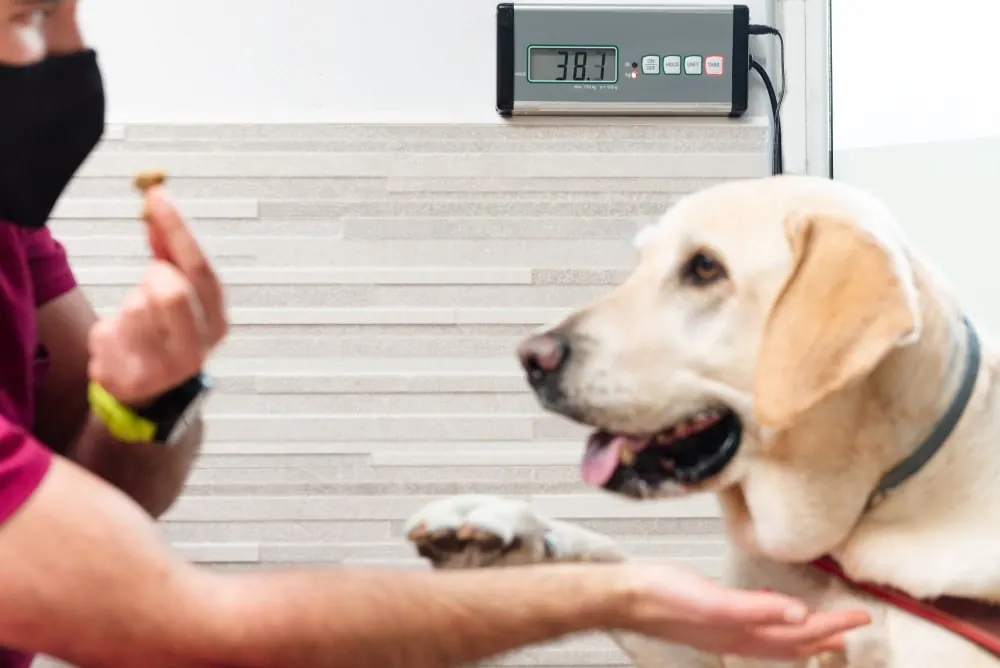
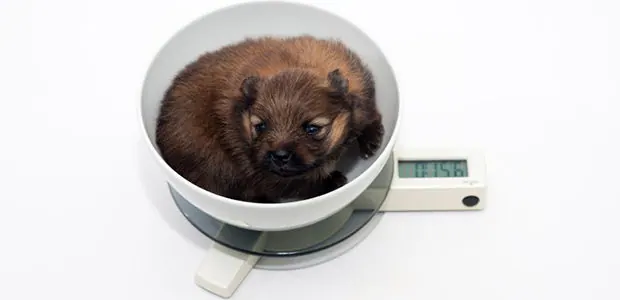
- Regular weigh-ins: Weekly weigh-ins can help monitor your dog’s progress and adjust feeding plans as needed.
- Health checks: Frequent veterinary visits ensure that weight gain is proceeding healthily and to adjust strategies if the dog shows any signs of illness.
When to See a Vet
Throughout the weight gain process, keep in close communication with your veterinarian. Immediate veterinary attention is required if your dog shows signs of rapid weight gain or health decline, as these can indicate underlying issues.
Putting weight on a dog involves a careful balance of increased caloric intake, healthy foods, and appropriate exercise. Every dog is unique, and their needs can vary significantly based on a multitude of factors. By understanding the underlying causes of being underweight, adjusting diet and exercise accordingly, and closely monitoring their health, you can ensure your dog gains weight at a healthy pace. With patience and care, your dog can achieve a healthy weight and lead a happy, energetic life.


