Can Cats Be Emotional Support Animals?

For general feline health context, the Merck Veterinary Manual cat-owner pages are a reliable starting point, and your veterinarian should guide individual decisions.
When we think of emotional support animals (ESAs), dogs are often the first pets that come to mind. However, cats can also serve as incredible emotional support companions. Their calming presence, independent nature, and ability to sense emotional distress make them perfect candidates for providing emotional comfort. But can cats truly be recognized as emotional support animals? Let’s dive into how these furry friends can offer support and why they are increasingly being considered for such roles.
What is an Emotional Support Animal?
Emotional support animals are pets that provide comfort and support to individuals who suffer from mental health issues such as anxiety, depression, PTSD, and other emotional disorders. Unlike service animals, emotional support animals don’t require specialized training to perform tasks for their owners. Instead, their mere presence helps to soothe and alleviate the emotional distress of their humans. While dogs are commonly used as ESAs, many people are now turning to cats for emotional support.
Why Cats Make Great Emotional Support Animals
Cats possess several unique traits that make them ideal candidates for providing emotional comfort:
- Calming Presence: The purring of a cat is not just a pleasant sound; it has been shown to reduce stress and lower blood pressure. Their ability to purr while cuddling next to you provides a soothing rhythm that can be incredibly calming for those struggling with emotional turmoil.
- Independence: Unlike dogs, cats are more independent creatures. This independence can be reassuring for individuals who need emotional support without the demands of high-maintenance care. Cats require less active attention, making them great companions for those who prefer calm, low-energy pets.
- Empathy and Sensitivity: Cats are surprisingly empathetic and are known to sense when their owners are feeling down. Many cat owners report that their feline companions will stay by their side during periods of sadness or stress, providing comfort without being intrusive.
- Companionship Without Overstimulation: For some people dealing with mental health challenges, a pet that requires constant attention or action can be overwhelming. Cats offer a unique balance, providing companionship and affection but without the energetic demands that other pets, like dogs, may require.
How Cats Help with Mental Health
Cats have been known to offer emotional support in several ways:
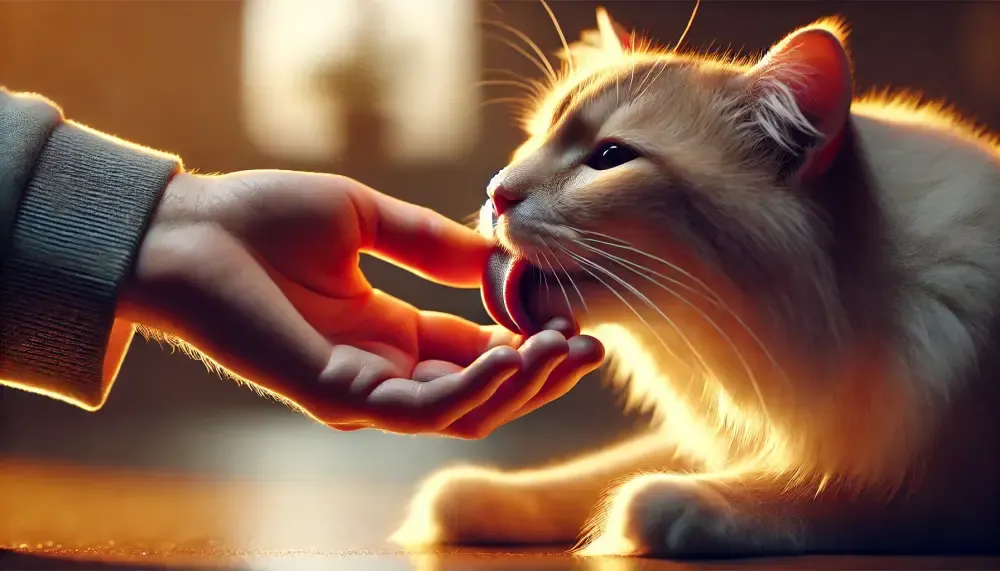
- Reducing Anxiety and Stress: The simple act of petting a cat can lower stress levels and help reduce anxiety. The repetitive motion of stroking a cat’s fur has a calming effect, and their soft purring creates a soothing atmosphere.
- Combatting Loneliness: For people who live alone or feel isolated, having a cat around can help reduce feelings of loneliness. Cats are affectionate, and their companionship can make a house feel like a home. Their subtle, non-demanding presence can make all the difference in a lonely household.
- Creating Routine: Owning a pet like a cat helps to instill a routine in daily life. Feeding, grooming, and interacting with your cat can provide structure to someone who may be feeling lost or without purpose. The responsibility of caring for a pet encourages routine and discipline, which are important for emotional well-being.
Getting a Cat as an Emotional Support Animal
If you’re considering getting a cat to be your emotional support animal, the process is relatively straightforward. A licensed mental health professional, such as a therapist, counselor, or psychiatrist, must prescribe the cat as an ESA by writing an official ESA letter. This letter will confirm your need for emotional support and validate the role your cat plays in your mental health care.
Here’s an example of an Emotional Support Animal (ESA) letter from a licensed mental health professional:
[Your Name]
[Your Address]
[City, State, Zip Code]
[Phone Number]
[Email Address]
Date: [Insert Date]
To Whom It May Concern:
I am writing this letter to certify that [Client’s Full Name] is under my care for treatment of emotional and/or mental health issues. Based on my clinical evaluation, I can confirm that [Client’s Full Name] meets the requirements for having an emotional support animal as part of their mental health treatment plan.
It is my professional opinion that the presence of [Client’s Emotional Support Animal’s Name], a [Animal’s Species, e.g., cat], is necessary for the emotional and psychological well-being of my client. The emotional support provided by this animal significantly reduces the symptoms associated with [specific condition, e.g., anxiety, depression, PTSD] and assists [Client’s Full Name] in coping with the daily challenges posed by their condition.
In accordance with the Fair Housing Act (FHA), [Client’s Full Name] is entitled to reasonable accommodations that allow them to live with their emotional support animal, even in housing that may have restrictions on pets. [Client’s Emotional Support Animal’s Name] does not require any specialized training, as their presence alone offers therapeutic benefit to my client.
If further information is required, or if you need additional clarification, please feel free to contact me at [Your Phone Number] or [Your Email Address].
Sincerely,
[Licensed Mental Health Professional’s Name]
[Professional Title]
[License Number]
[Clinic Name]
[Clinic Address]
[City, State, Zip Code]
[Phone Number]
[Email Address]
This letter template should be customized to reflect the individual’s situation and include details specific to the client and the licensed professional.
It’s important to note that emotional support animals, including cats, do not have the same legal protections as service animals. While service animals are allowed in most public places, ESAs have more restricted rights. However, many housing laws protect ESA owners by allowing them to live with their emotional support animals even in buildings that have a no-pet policy.
Can Cats Provide the Same Level of Support as Dogs?
One common question is whether cats can provide the same level of emotional support as dogs. The answer largely depends on the individual’s needs and the nature of the animal. Some people prefer the more energetic and engaged companionship that dogs provide, while others find that a cat’s quiet and non-demanding presence is exactly what they need.
Cats may not perform physical tasks like guiding or retrieving objects as service dogs do, but they offer a kind of emotional companionship that is just as important. For individuals with mental health issues, having a cat nearby can offer a sense of security and stability, which can help reduce the severity of symptoms like anxiety or depression.

Training for Cats as Emotional Support Animals
Unlike dogs, cats do not typically undergo any specific training to become emotional support animals. Cats naturally provide comfort through their behavior. However, some cat owners may work on basic training to improve the relationship with their emotional support cat. For instance, training your cat to come when called, or teaching them to sit calmly on your lap can strengthen the emotional connection and improve the ESA’s ability to provide comfort when needed.
Final Thoughts on Cats as Emotional Support Animals
Cats can be amazing emotional support animals. Their calming presence, low-maintenance lifestyle, and affectionate nature make them ideal for individuals seeking emotional comfort. While dogs are often the go-to choice for emotional support, cats are increasingly recognized for the positive impact they can have on mental health.
If you’re someone who feels soothed by the quiet presence of a purring cat, or if you’re looking for a companion to help ease feelings of loneliness or anxiety, a cat may be the perfect ESA for you. Always consult with a licensed mental health professional to determine if an emotional support animal is right for your specific situation.
Cats are truly special creatures, and their ability to offer emotional support proves that sometimes, the quietest comfort can be the most powerful.