The Important Jobs of Service Dogs
Related reading: Could a Service Dog Really Be Helpful for Children with Autism?.
For general pet-health questions, the AVMA pet-owner resources are a reliable starting point, and your veterinarian should guide individual decisions.
Service dogs are more than just pets; they are highly trained animals that perform vital tasks to help individuals with various disabilities and needs. These remarkable dogs enhance the quality of life for their handlers, providing both practical assistance and emotional support. This article delves into the diverse roles of service dogs, their training process, and the profound impact they have on their handlers’ lives.
Types of Service Dogs
Service dogs are trained to assist individuals with specific needs, providing essential support and enhancing their quality of life. Here are some of the main types of service dogs:
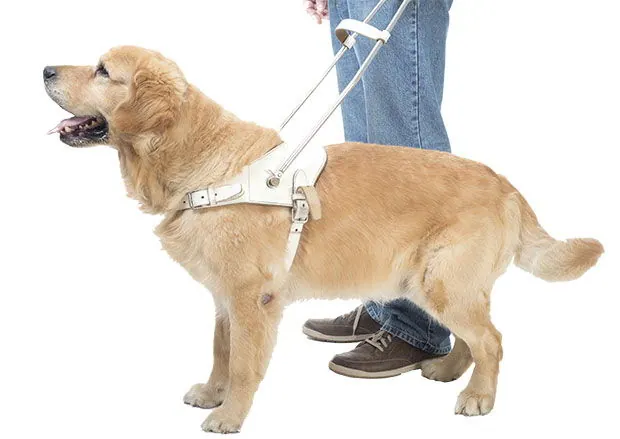
1. Guide Dogs
Guide dogs assist individuals who are visually impaired or blind. They help their handlers navigate the world safely by:
- Avoiding Obstacles: Guide dogs are trained to avoid obstacles in their path, ensuring their handlers do not bump into objects or trip over them.
- Stopping at Curbs: These dogs are taught to stop at curbs and stairs, helping their handlers assess the environment before proceeding.
- Finding Doors and Staircases: Guide dogs can locate doorways, entrances, and staircases, making it easier for their handlers to move through various settings.
- Providing Independence and Confidence: By assisting with navigation, guide dogs offer their handlers a greater sense of independence and confidence in their daily lives.
2. Hearing Dogs
Hearing dogs alert individuals who are deaf or hard of hearing to important sounds. They perform tasks such as:
- Alerting to Alarms and Sirens: These dogs are trained to recognize sounds like fire alarms, smoke detectors, and sirens, and alert their handlers to take necessary actions.
- Indicating Everyday Sounds: Hearing dogs can notify their handlers of everyday sounds such as doorbells, knocking, and ringing phones by nudging or pawing at them.
- Assisting with Baby’s Cries: For handlers with infants, hearing dogs can alert them to a crying baby, ensuring timely attention and care.
- Enhancing Environmental Awareness: By leading their handlers to the source of sounds, hearing dogs help them stay aware of their surroundings and potential hazards.
3. Mobility Assistance Dogs
Mobility assistance dogs help individuals with physical disabilities by performing tasks that enhance their handlers’ autonomy. These tasks include:
- Retrieving Objects: Mobility assistance dogs can pick up items that their handlers drop, reducing the need to bend or reach.
- Opening Doors: These dogs are trained to open doors, whether by using specially designed handles or pushing with their paws or nose.
- Turning On Lights: They can flip light switches on and off, making it easier for handlers to navigate their living spaces.
- Pulling Wheelchairs: Some mobility assistance dogs are trained to pull manual wheelchairs, helping their handlers move more easily.
- Providing Stability: These dogs can offer balance support to handlers who have difficulty walking or standing.
4. Medical Alert Dogs
Medical alert dogs are trained to detect specific medical conditions and alert their handlers to impending issues. Examples include:
- Diabetic Alert Dogs: These dogs can sense changes in their handlers’ blood sugar levels through scent and alert them before the levels become dangerous, allowing for timely intervention.
- Seizure Alert Dogs: Trained to detect the onset of seizures, these dogs can provide warnings, giving their handlers time to find a safe place and prepare for the seizure.
- Allergy Detection Dogs: Some dogs are trained to sniff out allergens, such as peanuts or gluten, and alert their handlers to the presence of these substances, helping to avoid allergic reactions.
- Cardiac Alert Dogs: These dogs can detect changes in their handlers’ heart rates or blood pressure, providing alerts before symptoms become critical.
5. Psychiatric Service Dogs
Psychiatric service dogs support individuals with mental health conditions by performing tasks that mitigate the symptoms of these conditions. Their duties include:
- Interrupting Harmful Behaviors: These dogs can interrupt self-harm behaviors or repetitive behaviors associated with anxiety and other conditions.
- Providing Grounding During Panic Attacks: Psychiatric service dogs can offer tactile stimulation, such as deep pressure therapy, to help ground their handlers during panic attacks or episodes of severe anxiety.
- Offering Security and Companionship: These dogs provide a comforting presence, reducing feelings of isolation and offering emotional support to their handlers.
- Assisting with Daily Routines: They can remind handlers to take medications, wake them from nightmares, or help them establish a routine, which is particularly beneficial for individuals with PTSD or depression.
Each type of service dog undergoes specialized training to perform their specific tasks, ensuring they can effectively support their handlers’ unique needs and improve their quality of life.
The Training Process
The training of a service dog is rigorous and extensive, often taking up to two years to complete. The process involves several stages:
1. Selection
Not all dogs have the temperament and physical capability to become service dogs. Breeding programs and shelters look for dogs with calm, obedient, and confident dispositions. Popular breeds include Labrador Retrievers, Golden Retrievers, and German Shepherds, although many breeds can be suitable.
2. Basic Training
Basic training begins with teaching the dog fundamental obedience skills such as sit, stay, come, and heel. Socialization is also crucial, exposing the dog to various environments, people, and other animals to ensure they remain focused and well-behaved in different situations.
3. Specialized Training
Once the dog has mastered basic obedience, they undergo specialized training tailored to the specific tasks they will perform. For example, a guide dog will learn to navigate obstacles, while a diabetic alert dog will be trained to recognize changes in scent associated with blood sugar fluctuations.
4. Public Access Training
Service dogs must be able to work effectively in public settings. Public access training ensures they can handle distractions, maintain focus on their handlers, and behave appropriately in various environments, such as restaurants, stores, and public transportation.
5. Handler Training
The final stage involves training the handler to work with the service dog. Handlers learn how to give commands, interpret their dog’s signals, and care for their new partner. This stage is critical for building a strong, trusting relationship between the dog and handler.
The Impact of Service Dogs
Service dogs profoundly impact the lives of their handlers, providing not only practical assistance but also emotional and social benefits.
1. Increased Independence
Service dogs enable their handlers to perform tasks that would otherwise be challenging or impossible. This increased independence allows individuals to lead more active and fulfilling lives.
2. Emotional Support
The companionship of a service dog can alleviate feelings of loneliness and isolation. For individuals with mental health conditions, the presence of a service dog can provide comfort, reduce anxiety, and improve overall emotional well-being.
3. Social Interaction
Service dogs often act as social bridges, helping their handlers engage with others. People are naturally drawn to service dogs, which can facilitate conversations and social connections that handlers might otherwise find difficult.
4. Safety and Security
For individuals with medical conditions, service dogs offer an added layer of safety. Knowing that their dog can alert them to a medical emergency or assist them in a crisis provides peace of mind and a sense of security.

Legal Protections and Public Awareness
Service dogs are protected under various laws, ensuring their handlers have the right to be accompanied by their dogs in public places. In the United States, the Americans with Disabilities Act (ADA) mandates that service dogs are allowed in all public areas, including restaurants, hotels, and stores. Businesses and individuals must understand these rights and accommodate service dogs without discrimination.
Public awareness and education about the roles and rights of service dogs are essential. Misunderstandings and misconceptions can lead to challenges and discrimination against handlers and their dogs. Efforts to increase awareness include educational programs, public service announcements, and advocacy by organizations dedicated to supporting service dog teams.
Service dogs play indispensable roles in the lives of individuals with disabilities, offering assistance, companionship, and security. Their extensive training and dedication enable their handlers to lead more independent, enriched lives. As society continues to recognize and support the valuable contributions of service dogs, these remarkable animals will continue to enhance the lives of those they serve.
By understanding and appreciating the important jobs of service dogs, we can foster a more inclusive and supportive environment for everyone.