Bladder Infection in Dogs: Causes, Symptoms, and Treatment Options

For a related health topic, see Dog Vulva Infection: Causes, Symptoms, and Treatment Options. That article is also not a substitute for a veterinary exam.
This is general information, not a diagnosis. The Merck Veterinary Manual dog-owner pages are a reliable place to read more before you talk with your veterinarian.
Bladder infections in dogs, also known as urinary tract infections (UTIs), are a common health issue that can cause significant discomfort for your furry friend. Understanding the causes, symptoms, and available treatments can help you manage this condition effectively and ensure your dog’s well-being. This article will explore the various aspects of bladder infections in dogs, providing you with the information needed to recognize the signs and take appropriate action.
What is a Bladder Infection in Dogs?
A bladder infection in dogs occurs when bacteria enter the urinary tract, leading to inflammation and infection of the bladder. The urinary tract consists of the kidneys, ureters, bladder, and urethra, and an infection can occur in any of these areas. However, bladder infections are the most common type of UTI in dogs.
Causes of Bladder Infections in Dogs
Several factors can contribute to the development of a bladder infection in dogs:
- Bacterial Infections: The most common cause of bladder infections in dogs is the presence of bacteria, particularly Escherichia coli (E. coli). These bacteria typically enter the urinary tract through the urethra and can multiply in the bladder, leading to infection.
- Weakened Immune System: Dogs with a weakened immune system, whether due to illness, age, or other health conditions, are more susceptible to bladder infections. Their bodies may struggle to fight off bacteria effectively, increasing the risk of infection.
- Urinary Tract Abnormalities: Congenital or acquired abnormalities in the urinary tract, such as bladder stones or tumors, can create an environment conducive to infection. These abnormalities can obstruct the flow of urine, allowing bacteria to thrive.
- Inadequate Hydration: Dogs that do not consume enough water are at higher risk for bladder infections. Proper hydration helps flush out bacteria from the urinary tract, reducing the likelihood of infection.
- Poor Hygiene: Female dogs are more prone to bladder infections due to their shorter urethras, which make it easier for bacteria to reach the bladder. Poor hygiene or lack of grooming can exacerbate this risk.
- Underlying Health Conditions: Conditions such as diabetes, Cushing’s disease, or kidney disease can increase the likelihood of bladder infections in dogs. These conditions often lead to changes in the urine or immune response, making infections more likely.
Symptoms of Bladder Infections in Dogs
Recognizing the symptoms of a bladder infection in your dog is crucial for early diagnosis and treatment. Some common signs to watch for include:
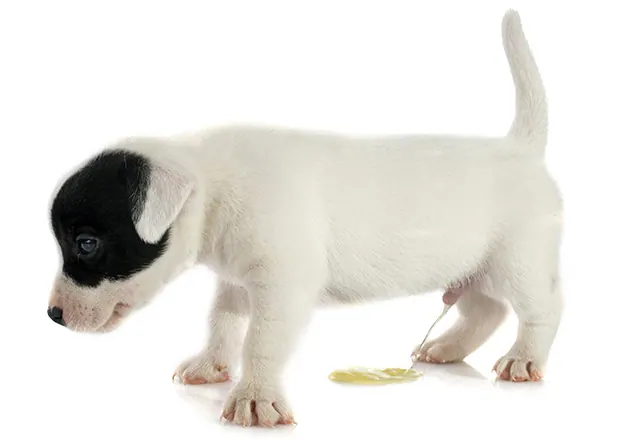
- Frequent Urination: Dogs with bladder infections often need to urinate more frequently than usual. You may notice your dog asking to go outside more often or having accidents in the house.
- Straining to Urinate: If your dog is straining or appears to be in pain while urinating, it could be a sign of a bladder infection. This symptom is often accompanied by only small amounts of urine being passed.
- Blood in Urine: Hematuria, or blood in the urine, is a clear indication of a bladder infection. The urine may appear pink, red, or have visible blood clots.
- Foul-Smelling Urine: Urine that has a strong, unpleasant odor can be a sign of a bacterial infection in the bladder.
- Lethargy: Dogs with bladder infections may become less active and appear more tired than usual. They might also seem uncomfortable or restless.
- Loss of Appetite: A reduced interest in food or water can be a sign that your dog is not feeling well due to a bladder infection.
- Excessive Licking: Dogs may lick their genital area excessively if they are experiencing discomfort or irritation from a bladder infection.
Diagnosing Bladder Infections in Dogs
If you suspect your dog has a bladder infection, it’s essential to consult your veterinarian. They will typically perform the following diagnostic steps:
- Physical Examination: The vet will conduct a thorough physical examination, checking for signs of pain, discomfort, or abnormalities in the urinary tract.
- Urine Analysis: A urinalysis is a key diagnostic tool for detecting bladder infections. The veterinarian will collect a urine sample to check for the presence of bacteria, blood, and other indicators of infection.
- Urine Culture: In some cases, a urine culture may be performed to identify the specific bacteria causing the infection. This helps in selecting the most effective antibiotic treatment.
- Imaging Studies: If the vet suspects underlying issues such as bladder stones or tumors, they may recommend imaging studies like X-rays or ultrasound to get a clearer picture of the urinary tract.
Treatment Options for Bladder Infections in Dogs
The treatment of a bladder infection in dogs typically involves the use of antibiotics to eliminate the bacteria causing the infection. However, the specific treatment plan may vary depending on the severity of the infection and any underlying health conditions.
- Antibiotics: The veterinarian will prescribe an appropriate antibiotic based on the type of bacteria identified in the urine culture. It’s crucial to complete the full course of antibiotics, even if your dog appears to be feeling better, to ensure the infection is fully cleared.
- Pain Management: Dogs with bladder infections may experience discomfort or pain, especially during urination. The vet may prescribe pain relievers or anti-inflammatory medications to help alleviate these symptoms.
- Increased Hydration: Ensuring your dog stays well-hydrated is essential for flushing out bacteria from the urinary tract. Encourage your dog to drink plenty of water and consider adding wet food to their diet.
- Dietary Changes: In cases where bladder stones or crystals are a contributing factor, the vet may recommend a special diet to prevent recurrence. These diets are designed to alter the pH of the urine and reduce the formation of stones.
- Follow-Up Care: After the initial treatment, your vet may schedule follow-up appointments to monitor your dog’s progress and ensure the infection has been fully resolved. Regular urine tests may be necessary to confirm the absence of bacteria.
Preventing Bladder Infections in Dogs
Prevention is key to reducing the risk of bladder infections in dogs. Here are some steps you can take to help keep your dog’s urinary tract healthy:
- Ensure Proper Hydration: Always provide fresh, clean water for your dog. Encourage them to drink regularly, especially during hot weather or after exercise.
- Regular Bathroom Breaks: Allow your dog to urinate frequently to prevent bacteria from accumulating in the bladder. Holding urine for extended periods can increase the risk of infection.
- Maintain Good Hygiene: Keep your dog clean and well-groomed, particularly around the genital area. Regular baths and proper grooming can reduce the risk of bacterial infections.
- Monitor for Symptoms: Be vigilant about observing any signs of urinary discomfort or changes in your dog’s urination habits. Early detection can prevent more severe infections from developing.
- Routine Vet Visits: Regular check-ups with your veterinarian can help identify any underlying health issues that might predispose your dog to bladder infections. Routine urine tests can also catch infections early.
Bladder infections in dogs are a common and treatable condition, but they can cause significant discomfort if left untreated. By understanding the causes, symptoms, and treatment options, you can ensure your dog receives the care they need to recover quickly. If you suspect your dog has a bladder infection, don’t hesitate to consult your veterinarian for a proper diagnosis and treatment plan. With the right approach, you can help your dog maintain a healthy urinary tract and prevent future infections.


