Dog Vulva Infection: Causes, Symptoms, and Treatment Options
For a related health topic, see Blastomycosis in Dogs: A Serious Fungal Infection That Needs a Vet. That article is also not a substitute for a veterinary exam.
This is general information, not a diagnosis. The Merck Veterinary Manual dog-owner pages are a reliable place to read more before you talk with your veterinarian.
Dogs, like humans, can experience various health issues, and one of the less frequently discussed problems is vulva infection. A dog vulva infection can be uncomfortable and, if left untreated, lead to more serious health complications. As responsible pet owners, it’s essential to be aware of the symptoms, causes, and treatment options for this condition to ensure your furry companion remains happy and healthy.
What is a Dog Vulva Infection?
A dog vulva infection, also known as vaginitis or vulvitis, refers to inflammation or infection of the vulva and surrounding areas. This can occur in both young and adult dogs and is often caused by bacteria, yeast, or underlying health issues. While not life-threatening when treated early, it’s important to address this condition promptly to prevent discomfort or further health complications for your dog.
Causes of Vulva Infections in Dogs
Several factors can contribute to vulva infections in dogs, and understanding the root cause is key to effective treatment:
- Bacterial Infections: The most common cause of vulva infections is bacterial overgrowth. This can result from poor hygiene or contamination from the dog’s environment.
- Urinary Tract Infections (UTI): Infections in the urinary tract can sometimes spread to the vulva, leading to inflammation and discomfort.
- Yeast Infections: Just like humans, dogs can suffer from yeast infections, which often occur when the natural balance of microorganisms in the dog’s body is disrupted.
- Hormonal Imbalances: Female dogs that are spayed or in heat may experience hormonal imbalances that increase the risk of vulva infections. These imbalances can cause the vulva to become swollen, leading to increased susceptibility to infection.
- Obesity and Poor Hygiene: Overweight dogs often have excess skin folds around the vulva, trapping moisture and bacteria. Poor hygiene can exacerbate this problem, leading to infection.
- Foreign Bodies or Irritation: Dogs are curious by nature, and it’s not uncommon for foreign objects to cause irritation around the vulva. Grass, dirt, or other small objects can become trapped and lead to inflammation and infection.
Symptoms of Vulva Infection in Dogs
If your dog is suffering from a vulva infection, she may exhibit one or more of the following symptoms:
- Swelling and Redness: The vulva may appear visibly swollen, red, or irritated.
- Excessive Licking: Dogs will often lick the affected area excessively in an attempt to relieve discomfort.
- Discharge: You may notice a foul-smelling discharge coming from the vulva. This can be clear, white, or yellowish, depending on the type of infection.
- Frequent Urination: Your dog may begin to urinate more frequently or show signs of discomfort while urinating.
- Scooting: Scooting across the floor is another sign that your dog is experiencing discomfort around the vulva area.
- Pain or Discomfort: Some dogs may become more sensitive when touched in the affected area and could exhibit signs of pain when sitting or walking.
Diagnosis and Treatment Options
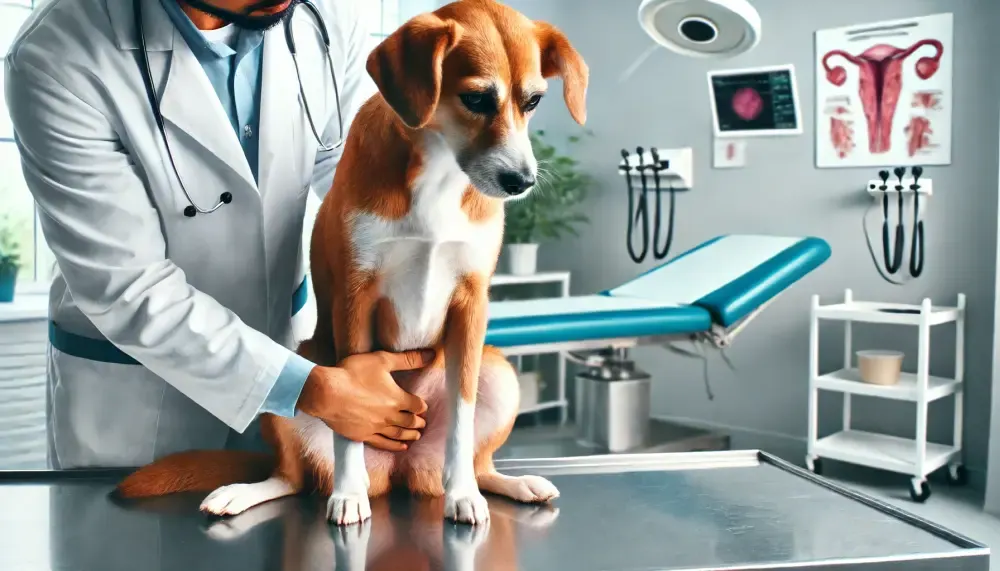
If you suspect your dog has a vulva infection, it’s important to take her to the veterinarian as soon as possible. Your vet will conduct a physical examination, take samples of any discharge, and may perform a urinalysis to determine if a UTI is present.
Once the cause is identified, the vet may recommend one or more of the following treatment options:
- Antibiotics: If the infection is bacterial, a course of antibiotics will typically be prescribed. It’s important to complete the entire course, even if symptoms improve before the medication is finished.
- Topical Ointments: In cases where the infection is mild or localized, your vet may prescribe a topical ointment to reduce inflammation and combat the infection.
- Antifungal Medication: For yeast infections, antifungal treatments may be prescribed. These could be oral medications or topical creams.
- Surgical Intervention: In severe cases, particularly if there is a foreign body causing the infection or if the dog has chronic infections, surgical intervention may be necessary.
- Hormonal Therapy: If the infection is related to hormonal imbalances, your vet might recommend hormone therapy to balance your dog’s estrogen levels, especially in spayed dogs.
Preventing Future Vulva Infections
Prevention is always the best approach when it comes to your dog’s health. Here are a few ways to reduce the likelihood of future vulva infections:
- Maintain Proper Hygiene: Regularly clean your dog’s genital area, especially if she is prone to infections or has excess skin folds.
- Manage Weight: Keeping your dog at a healthy weight can reduce the risk of infections caused by skin folds and moisture retention.
- Provide Fresh Water: Ensure your dog always has access to fresh, clean water. This helps prevent urinary tract infections that can lead to vulva infections.
- Avoid Irritants: Make sure your dog’s bedding and play areas are free of potential irritants like sharp objects, rough fabrics, or harsh cleaning chemicals.
When to See a Vet
While some infections may clear up with home care, it’s always better to consult your vet if your dog is showing signs of discomfort or infection. Untreated infections can spread and cause further complications such as UTIs or reproductive issues.
If you notice your dog is in pain, has a persistent discharge, or doesn’t improve with initial treatment, schedule a follow-up appointment with your vet to ensure the infection is being properly addressed.
A vulva infection can be uncomfortable and distressing for your dog, but with proper care and attention, it is manageable. By recognizing the symptoms early and seeking veterinary care, you can help ensure your dog stays happy and healthy. Prevention, through maintaining good hygiene and monitoring your dog’s overall health, is the key to avoiding recurrent infections.
Taking swift action will keep your beloved pet comfortable and protect her from more serious health complications down the road.


