Why Do Dogs Lick Their Paws
We earn from qualifying Amazon purchases. It doesn't change what we recommend.
Related reading: Why Do Dogs Lick You?.
For general pet-health questions, the AVMA pet-owner resources are a reliable starting point, and your veterinarian should guide individual decisions.
Dogs licking their paws is a common behavior that many pet owners observe, but it can be puzzling and sometimes concerning. Let’s learn about the various reasons why dogs lick their paws, ranging from normal grooming habits to signs of underlying health issues. Understanding these reasons can help you determine when to seek veterinary advice and how to keep your furry friend healthy and comfortable.
12 Reasons Dogs Lick Their Paws
Natural Grooming
One of the most straightforward reasons dogs lick their paws is for grooming purposes. Much like cats, dogs use their tongues to clean themselves. After a walk or playtime outside, dogs may lick their paws to remove dirt, debris, or anything else they have stepped on. This self-cleaning behavior is entirely normal and usually not a cause for concern unless it becomes excessive.
Allergies
Allergies are a common reason why dogs lick their paws excessively. Dogs can be allergic to various environmental factors such as pollen, grass, mold, and dust mites. Food allergies can also cause this behavior. When a dog has an allergic reaction, their paws may become itchy, leading them to lick to relieve the discomfort. Common signs of allergies include redness, swelling, and frequent licking or chewing at the paws. If you suspect your dog has allergies, a visit to the vet is essential for proper diagnosis and treatment.
Parasites
Parasites like fleas, ticks, and mites can cause intense itching and discomfort, leading dogs to lick their paws frequently. Flea infestations are particularly common and can lead to secondary infections if left untreated. Regular use of parasite prevention treatments and checking your dog for signs of fleas and ticks can help prevent this issue. If you notice persistent licking and suspect parasites, consult your veterinarian for appropriate treatments.
Injuries
Dogs may lick their paws if they have sustained an injury. Cuts, scrapes, splinters, or burns can all cause pain and irritation, prompting dogs to lick the affected area to soothe themselves. If your dog suddenly starts licking one paw excessively, it’s essential to inspect the paw for any signs of injury. If you find an injury that you cannot treat at home or if the wound appears severe, seek veterinary care immediately.
Dry Skin
Dry, cracked, or irritated skin can cause dogs to lick their paws. Dry skin may result from various factors, including environmental conditions (such as dry winter air), bathing too frequently, or using harsh shampoos. Ensuring your dog is bathed with gentle, moisturizing shampoos and maintaining a humid environment during dry seasons can help prevent dry skin. If dry skin persists, a vet can recommend suitable treatments or dietary supplements to improve skin health.
Anxiety and Stress
Dogs, like humans, can experience anxiety and stress. Paw licking can be a self-soothing behavior for dogs when they are feeling anxious or stressed. Changes in the household, such as moving to a new home, the arrival of a new pet, or alterations in routine, can trigger anxiety in dogs. Providing a stable environment, regular exercise, and mental stimulation can help reduce anxiety. In more severe cases, a veterinarian or a professional dog behaviorist may recommend additional interventions, such as anxiety medications or behavioral therapy.
Boredom
Boredom is another reason why dogs may lick their paws. When dogs do not receive enough physical or mental stimulation, they may resort to repetitive behaviors such as paw licking to entertain themselves. Ensuring your dog has plenty of toys, regular playtime, and activities to engage in can help alleviate boredom. Interactive toys, puzzle feeders, and regular walks can keep your dog mentally and physically stimulated, reducing the likelihood of boredom-induced licking.
Yeast or Bacterial Infections
Yeast or bacterial infections can cause significant discomfort and lead to excessive paw licking. These infections often result from moisture getting trapped between the paw pads, creating an ideal environment for bacteria or yeast to thrive. Symptoms include redness, swelling, an unpleasant odor, and sometimes a discharge from the paw. If you notice these signs, it is crucial to seek veterinary treatment. Your vet may prescribe antifungal or antibacterial medications to clear the infection.
Hormonal Imbalances
Hormonal imbalances, such as hypothyroidism or Cushing’s disease, can cause skin issues that lead to paw licking. These conditions can result in hair loss, dry skin, and other skin abnormalities that may cause your dog to lick their paws in an attempt to find relief. If you suspect a hormonal imbalance, a veterinarian can conduct blood tests to diagnose the condition and provide appropriate treatment.
Arthritis and Joint Pain
Older dogs or those with arthritis and joint pain may lick their paws as a way to comfort themselves. The licking may be an attempt to soothe the aching joints. Signs of arthritis include stiffness, limping, and reluctance to move or play. If you notice these symptoms in your dog, consult your vet. They can recommend treatments such as pain relief medications, supplements, or changes in lifestyle to help manage your dog’s arthritis and reduce discomfort.
Nutritional Deficiencies
Nutritional deficiencies can sometimes cause skin problems that lead to paw licking. A balanced diet is crucial for maintaining healthy skin and coat. If your dog’s diet lacks essential nutrients, their skin may become dry and itchy, prompting them to lick their paws. Consult your veterinarian to ensure your dog’s diet is well-balanced and includes all necessary vitamins and minerals. They may recommend specific dog foods or supplements to address any deficiencies.
Behavioral Disorders
In some cases, excessive paw licking can be a sign of a behavioral disorder such as obsessive-compulsive disorder (OCD). Dogs with OCD may engage in repetitive behaviors that are difficult to stop. If you suspect your dog has a behavioral disorder, it is important to seek help from a veterinarian or a professional dog behaviorist. Behavioral therapy and, in some cases, medication can help manage OCD in dogs.
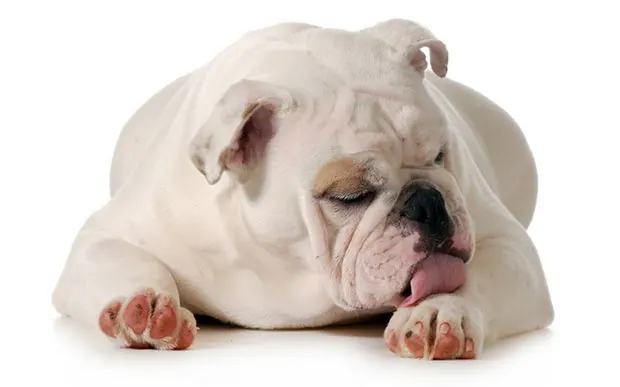
Paw licking in dogs can be attributed to a wide range of causes, from normal grooming habits to more serious health issues. As a responsible pet owner, it is essential to observe your dog’s behavior and identify any patterns or changes. If you notice excessive or persistent paw licking, it is always a good idea to consult with your veterinarian. They can help diagnose the underlying cause and recommend appropriate treatments to ensure your dog remains healthy and comfortable.
By understanding the reasons behind paw licking and taking proactive steps to address any issues, you can help your dog lead a happier, healthier life. Regular check-ups, a balanced diet, and a loving, stimulating environment are key components in maintaining your dog’s overall well-being.