Ear Mites in Cats: Symptoms, Treatment and Prevention
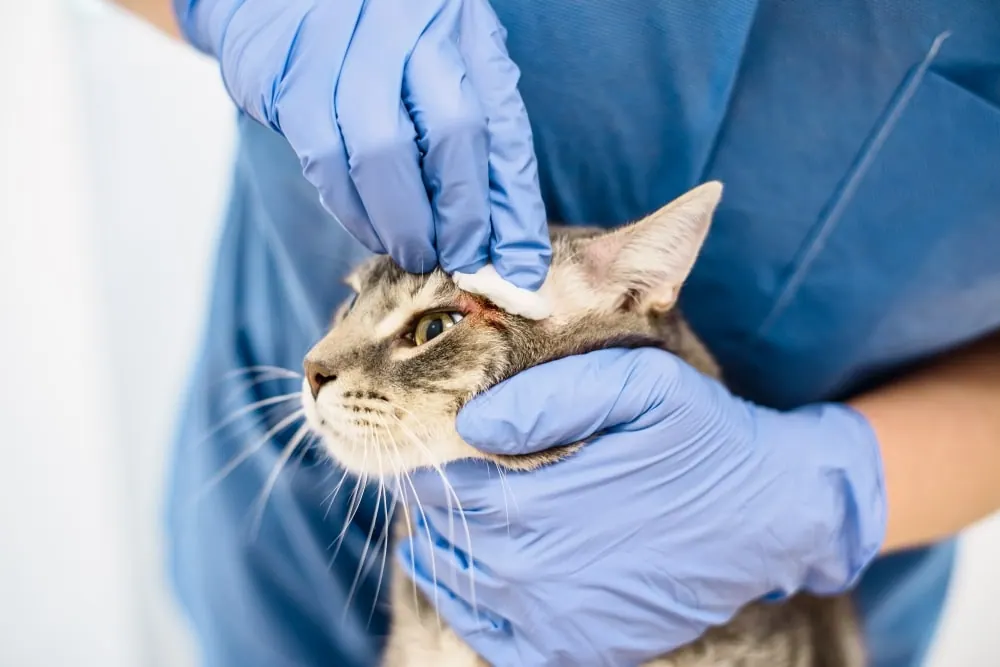
Ear mites are a common parasitic infection in cats, causing discomfort and potential health issues if left untreated. Understanding the symptoms, treatment options, and preventive measures is crucial for cat owners to ensure their pets remain healthy and free from these pesky parasites.
As an Amazon Associate, we earn from qualifying purchases.
What Are Ear Mites in Cats?
Ear mites, scientifically known as Otodectes cynotis, are tiny parasites that infest the ears of cats. They are barely visible to the naked eye but can cause significant irritation and discomfort. These mites feed on the wax and oils in a cat’s ear canal, leading to inflammation, itching, and potential secondary infections.
Symptoms of Ear Mites in Cats
Recognizing the symptoms of ear mites early can help in prompt treatment and prevent further complications. Common signs include:
- Excessive Scratching: Cats with ear mites often scratch their ears and shake their heads frequently due to the intense itching caused by the mites.
- Dark, Crusty Discharge: A characteristic sign of ear mite infestation is the presence of dark, crumbly discharge that resembles coffee grounds. This discharge is a combination of ear wax, blood, and mites.
- Red and Inflamed Ears: The constant scratching and irritation can lead to redness and inflammation in and around the ears.
- Foul Odor: Infected ears may emit a strong, unpleasant odor due to the build-up of discharge and potential secondary infections.
- Behavioral Changes: Cats with ear mites may become irritable, restless, and display signs of discomfort such as tilting their heads or rubbing their ears against surfaces.
Diagnosing Ear Mites
If you suspect your cat has ear mites, it’s essential to seek veterinary care for an accurate diagnosis. Veterinarians can examine the ear canal using an otoscope or take a sample of the discharge to view under a microscope, confirming the presence of ear mites.
Treatment of Ear Mites in Cats
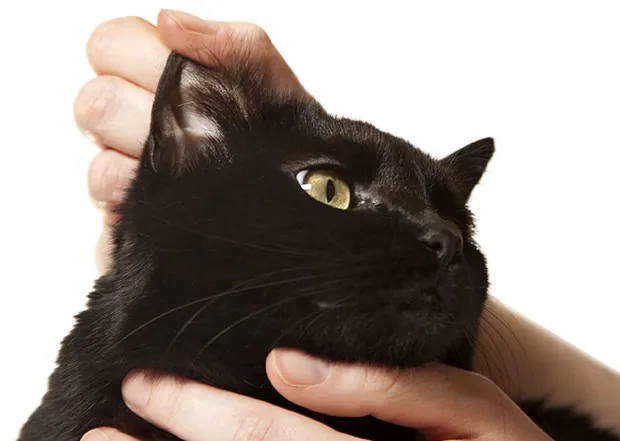
Treating ear mites effectively involves a combination of medication and proper ear cleaning. Here’s a step-by-step approach to treatment:
- Cleaning the Ears: The first step in treating ear mites is to clean the cat’s ears thoroughly. Use a a to remove debris and discharge. This helps to reduce the mite population and makes the medication more effective.
- Topical Medications: Several over-the-counter and prescription medications are available to treat ear mites. These medications typically come in the form of ear drops or ointments. Follow your veterinarian’s instructions regarding the dosage and application frequency.
- Systemic Medications: In severe cases, your veterinarian may prescribe oral or injectable medications to eliminate the mites throughout the cat’s body. These medications are especially useful if the mites have spread beyond the ears.
- Follow-Up Treatments: Ear mites can be persistent, so follow-up treatments are crucial to ensure all mites are eradicated. Your vet may recommend repeating the treatment after a few weeks.
- Addressing Secondary Infections: Sometimes, ear mites can lead to secondary bacterial or fungal infections. If this occurs, your veterinarian may prescribe additional medications to treat these infections.
This is general information, not a diagnosis. The Merck Veterinary Manual cat-owner pages are a reliable place to read more before you talk with your veterinarian.
For a related health topic, see Upper Respiratory Infection in Cats: Symptoms, Treatment, and Prevention. That article is also not a substitute for a veterinary exam.
Preventing Ear Mites in Cats
Prevention is always better than cure. Here are some tips to prevent ear mite infestations in your cat:
- Regular Ear Check-Ups: Make a habit of checking your cat’s ears regularly for signs of mites or infections. Early detection can prevent severe infestations.
- Maintain Clean Ears: Clean your cat’s ears periodically using a vet-approved ear cleaner. This helps to remove excess wax and debris, making the environment less hospitable for mites.
- Use Preventive Products: Some flea and tick preventives also protect against ear mites. Consult your veterinarian about the best preventive products for your cat.
- Keep the Environment Clean: Regularly clean your cat’s bedding, toys, and living areas to reduce the risk of mite infestations. Mites can survive in the environment and reinfest your cat if proper hygiene is not maintained.
- Monitor Interactions: If you have multiple pets, monitor their interactions, as ear mites can spread from one animal to another. Isolate and treat any infested animals promptly.
- Routine Veterinary Visits: Regular veterinary check-ups are essential for your cat’s overall health. Your vet can spot early signs of ear mites and other health issues during these visits.
Ear mites are a common but manageable issue in cats. By recognizing the symptoms early, seeking prompt veterinary care, and following preventive measures, you can keep your feline friend healthy and free from the discomfort of ear mite infestations. Regular ear care, cleanliness, and the use of preventive products play a crucial role in protecting your cat from these troublesome parasites. If you suspect your cat has ear mites, consult your veterinarian for an accurate diagnosis and effective treatment plan. With proper care and attention, your cat can enjoy a mite-free life.