Why Do Dogs Lick You?
For general pet-health questions, the AVMA pet-owner resources are a reliable starting point, and your veterinarian should guide individual decisions.
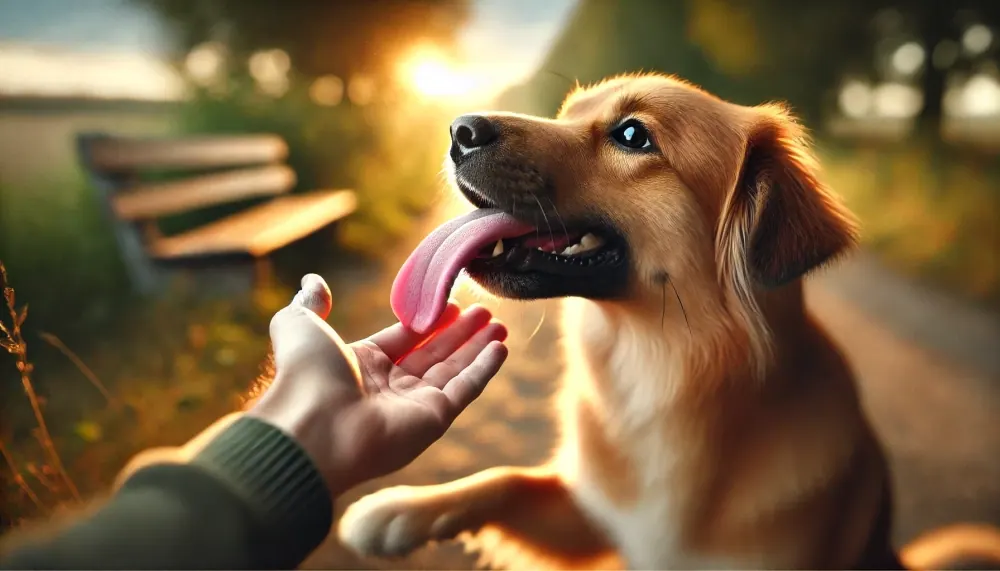
Dogs licking people is a common behavior that most pet owners are familiar with. Whether your dog greets you with a big slobbery kiss when you come home or gently licks your hand while you’re relaxing, there’s more to this behavior than just a sign of affection. In fact, dogs lick humans for several reasons, ranging from communication to instinctual needs. Let’s dive into the many meanings behind why dogs lick you.
1. Affection and Bonding
One of the primary reasons dogs lick their owners is to show affection. This behavior is often compared to kissing among humans. For a dog, licking is a way to bond and express love. When a dog licks you, it releases endorphins that make them feel calm and happy. In a way, it’s their form of a comforting gesture. This behavior starts early in a dog’s life, as puppies lick their mothers and siblings to strengthen their bond.
Dogs also lick as a way of showing submission, especially in pack behavior. In multi-dog households, you might notice one dog licking the other as a form of acknowledgment, respect, or even apology.
2. Tasting and Exploring
Dogs rely heavily on their senses to explore the world, and licking is one way they do this. When a dog licks you, they could be exploring how you taste or smell. Since dogs have highly sensitive noses and tongues, they can gather a lot of information from these interactions. Sweat, salt, and even remnants of food on your skin might attract your dog’s licking instincts.
Licking also helps a dog familiarize themselves with your scent. While sniffing is the main way they gather scent information, licking is a secondary way to learn more about you and your surroundings.
3. Communication
For dogs, licking is a natural form of communication. Your dog may lick you to get your attention, whether it’s for play, food, or to express a need. For example, if you notice your dog licking your hand or face while gazing at you, they might be trying to ask for something — perhaps they’re hungry, thirsty, or need to go outside for a walk.
In some cases, licking can also be a way for dogs to show submission or reassurance. It’s their way of saying, “I trust you” or “I’m looking for comfort.” Dogs that lick excessively might also be feeling anxious or nervous and use licking as a self-soothing behavior.
4. Instinctive Grooming
Licking is an instinctual behavior that dogs inherit from their wild ancestors. In the wild, wolves and other canids use licking as a way to groom each other and maintain hygiene within their pack. Domesticated dogs carry this trait, and licking can be a way for them to groom their human companions.
You might notice your dog licking your hands, arms, or face more frequently after you’ve been outside or in contact with other animals. They’re cleaning you, just like they would their pack mates.
5. Seeking Attention or Reward
Dogs are quick learners, and if they receive positive reinforcement for licking behavior, they are more likely to repeat it. If your dog licks you and gets a pat on the head, some attention, or a treat, they will associate licking with a reward.
This learned behavior can become part of their routine, and every time they lick, they expect a positive outcome. While it can be sweet, some dogs might overdo it if the behavior is always rewarded. It’s important to balance attention and reinforce positive behaviors in moderation.
6. Licking as a Sign of Stress or Anxiety
While licking is often harmless, excessive licking can sometimes indicate stress or anxiety in dogs. Just like humans might bite their nails when they’re anxious, dogs can use licking as a coping mechanism. If your dog is excessively licking themselves or you, it may be worth considering whether they are feeling anxious, uncomfortable, or unwell.
Anxiety-related licking is usually compulsive and can lead to problems like sore spots on their skin, especially if they lick their paws or legs repeatedly. If you notice this behavior, it’s important to assess the situation and address any stress factors your dog might be experiencing.
7. Medical Reasons
In some cases, excessive licking can indicate an underlying health issue. Dogs may lick certain areas of their body to soothe pain or discomfort caused by allergies, infections, or injuries. Similarly, if a dog starts licking their owners more frequently, it could signal that something isn’t right in their health.
If you suspect that your dog’s licking is linked to a medical issue, it’s always a good idea to consult with your veterinarian to rule out any potential problems.
When to Be Concerned About Excessive Licking
While occasional licking is normal and healthy for dogs, excessive licking can be a sign of an issue that requires attention. If your dog is licking excessively — whether it’s themselves, objects, or you — it may indicate anxiety, allergies, or other health conditions that need to be addressed.
Here are some signs that might indicate excessive licking:
- Your dog is licking the same spot repeatedly.
- Licking leads to sores, hair loss, or skin irritation.
- The behavior seems compulsive or linked to stress.
- Your dog starts licking suddenly and frequently.
In such cases, consulting a veterinarian or a professional dog behaviorist is recommended to ensure your dog’s well-being.
Dogs lick for various reasons, from affection to communication and instinct. While this behavior is typically harmless and often a sign of love and bonding, it’s essential to monitor if the licking becomes excessive or linked to anxiety or health issues. Understanding your dog’s body language and behavior can help you interpret their needs and ensure their overall happiness and health.
Ultimately, a lick from your dog is a reminder of the special bond you share — and it’s often just their way of saying, “I love you.”


