What Is My Dog Trying to Tell Me?

Related reading: Are Pet Psychics Worth Trying?.
For general pet-health questions, the AVMA pet-owner resources are a reliable starting point, and your veterinarian should guide individual decisions.
Dogs are known as man’s best friend, but how often do we consider what our furry companions are trying to communicate to us? Unlike humans, dogs can’t speak our language, but they have their unique way of expressing their needs, desires, and feelings. Understanding these signals can significantly enhance the bond between you and your pet, making your cohabitation more harmonious and fulfilling. This article will delve into the various forms of communication used by dogs, including vocalizations, body language, and behavior, to help you decipher what your dog might be trying to tell you.
Vocalizations: Barks, Whines, and Howls
Dogs use a variety of sounds to communicate, each with its own set of meanings. Here’s what your dog might be trying to say through their vocalizations:
- Barking: Barking can indicate anything from excitement, alerting you to someone at the door, to feeling anxious. Pay attention to the pitch, duration, and context to better understand the message.
- Whining: Often a sign of wanting attention, being excited, or feeling stressed. Whining can also indicate pain, so it’s essential to observe if it’s accompanied by any unusual behavior.
- Howling: This primal form of communication can be a response to certain sounds or a way of reaching out to others. Dogs might also howl to express loneliness.
Body Language: The Silent Signals
Dogs communicate volumes through their body posture, tail wagging, and facial expressions.
- Tail Wagging: While often associated with happiness, the way a dog wags its tail can convey different emotions. A slow wag might indicate insecurity, while a tail wagged more to the right suggests positive feelings.
- Eyes: Direct eye contact can mean a challenge or threat in dog language, while averting gaze often shows submission or discomfort. However, when your dog looks at you softly, it’s a sign of affection and trust.
- Ears: Erect ears suggest alertness or interest, whereas flattened ears might indicate fear or aggression.
- Posture: A dog standing straight and stiff could be signaling dominance or aggression, while a dog with a lowered body might be showing submission or fear.
Behavior: Actions Speak Louder Than Barks
Certain behaviors can provide insight into your dog’s emotional state and needs.
- Chewing: While this can be a normal part of play or teething in puppies, excessive chewing in adult dogs might indicate anxiety or boredom.
- Pacing or Restlessness: These behaviors can be signs of stress, anxiety, or unmet needs, such as the need for more exercise or mental stimulation.
- Leaning or Nudging: Often, dogs will lean on their favorite people as a sign of affection or nudging with their nose to ask for attention or treats.
Understanding and Responding to Your Dog’s Communication
Recognizing what your dog is trying to communicate is only the first step; responding appropriately is crucial. Here are a few tips on how to react:
- Provide Comfort: If your dog is showing signs of anxiety or fear, offer comfort without reinforcing the fear. Stay calm and provide a safe space.
- Meet Their Needs: Ensure your dog gets enough physical and mental exercise daily to prevent behaviors stemming from boredom or excess energy.
- Training and Socialization: Proper training and socialization from a young age can help your dog learn how to behave and communicate effectively in various situations.
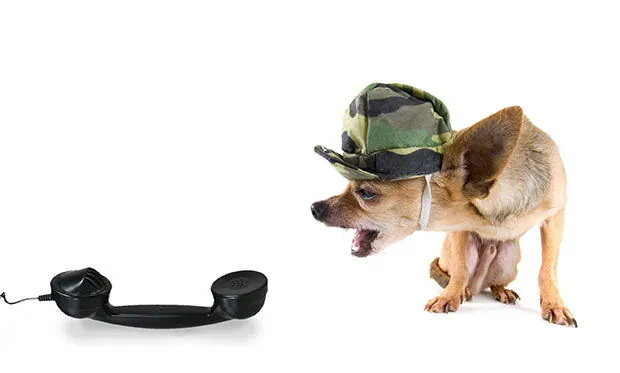
Understanding what your dog is trying to tell you strengthens your bond and ensures their well-being. By paying attention to your dog’s vocalizations, body language, and behavior, you can become more attuned to their needs and emotions, making you a more responsive and responsible pet owner. Remember, patience and consistent observation are key to unlocking the secrets of your dog’s communication. As you learn to interpret these signals, you’ll find a new level of connection and companionship with your furry friend. For further reading, learn how dogs communicate with each other.