How Do Dogs Communicate? Body Language Before Barks
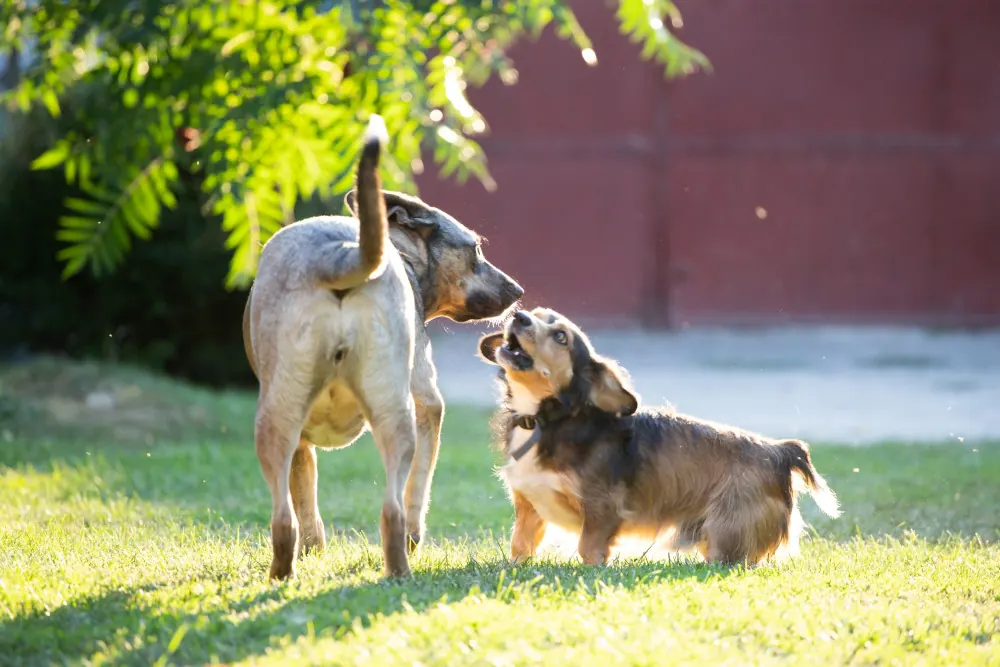
Dogs communicate with each other through body language first: posture, tail and ear position, mouth, eye contact, and movement, plus vocalizations and scent. A wagging tail is not automatically friendly; a stiff body and a high, tight wag can mean the opposite. Play often includes pauses, role reversals, and play bows. If you are not sure whether two dogs are playing or fighting, a space to disengage is safer than letting it “work itself out.”
For general pet-health questions, the AVMA pet-owner resources are a reliable starting point, and your veterinarian should guide individual decisions.
A few popular beliefs about dogs are simply wrong, and a few can be unsafe; see our guide to misleading dog myths.
Structured play and puzzle work can give a social dog an outlet at home. See best interactive dog toys toys or our best dog toys guide guide, and keep sessions short enough that arousal stays manageable.
Canine communication is a complex and nuanced form of interaction that goes far beyond the barks and tail wags commonly observed by pet owners. Dogs have developed a sophisticated system of signals that allow them to convey emotions, intentions, and messages to one another. Understanding these signals can greatly enhance the way humans interact with and care for their canine companions. This article delves into the various modes of communication employed by dogs, including body language, vocalizations, and scent marking, to provide a comprehensive overview of how dogs communicate with each other. S0 - how do dogs talk to each other?
Ways Dogs Communicate With Each Other
Body Language
Body language is the primary means through which dogs communicate. A dog’s posture, facial expressions, and movements can convey a wide range of emotions and intentions.
- Tail Position and Movement: The position of a dog’s tail can indicate its emotional state. A high, wagging tail usually signifies happiness or excitement, while a low or tucked tail may indicate fear or submission. The speed and pattern of the wag can also provide clues; for instance, a slow wag may be a sign of uncertainty.
- Ear Position: Dogs’ ears can move independently and assume different positions, which helps convey their mood. Ears that are forward might indicate interest or alertness, while ears that are flattened against the head usually signal fear or aggression.
- Eye Contact: Direct eye contact in the dog world can be interpreted as a challenge or threat, whereas avoiding eye contact is a sign of submission. The expression in a dog’s eyes, often referred to as “whale eye,” where the white part of the eye (sclera) is visible, can indicate stress or anxiety.
- Facial Expressions: Dogs have a remarkable range of facial expressions that communicate their feelings. A relaxed face with a slightly open mouth and a relaxed tongue can indicate contentment, while a furrowed brow may show confusion or concentration.
- Body Postures: A dog’s stance can reveal a lot about its intentions. A play bow, where the front end is down and the back end is up, is an invitation to play. Conversely, a stiff, still body may signal that a dog is on high alert.
Vocalizations
While not as prevalent as body language, vocalizations play a significant role in how dogs communicate with each other.
- Barks: Barking can serve various purposes, from alerting to the presence of strangers to expressing excitement or frustration. The tone, pitch, and frequency of the bark can change its meaning.
- Growls: Growling can be a warning sign of discomfort or a threat. However, it can also be part of play behavior, so it’s important to consider the context in which the growl occurs.
- Whines and Whimpers: These sounds are often used to express submission, pain, or desire for attention. They can also indicate excitement in some situations.
- Howls: Howling is a form of long-distance communication among dogs, often used to locate each other or convey a message to the pack.
Scent Marking
Scent marking is a critical aspect of canine communication, allowing dogs to leave information about their identity, sexual availability, and territory.
- Urine Marking: Dogs use urine to mark their territory and leave information about their status. This form of communication is especially prevalent among male dogs.
- Anal Glands: The secretions from a dog’s anal glands carry a unique scent that conveys information about the dog. Sniffing each other’s rear is a way for dogs to greet and gather information about one another.
- Pheromones: Dogs release pheromones from various glands, which can communicate a wide range of information, from fear to readiness to mate. These chemical signals can have profound effects on dogs’ behavior and emotional state.

Understanding the multifaceted ways dogs communicate with each other enriches the human-canine relationship, allowing for better care, training, and mutual respect. By observing and interpreting canine body language, vocalizations, and scent markings, dog owners and enthusiasts can gain insights into the complex social lives of these fascinating animals. Recognizing the subtle nuances of dog communication not only helps in resolving behavioral issues but also enhances the bond between dogs and their human companions. As we continue to learn about the depth of canine communication, we open the door to a deeper, more empathetic connection with the dogs that share our lives.