Why Do Dogs Howl?
For general pet-health questions, the AVMA pet-owner resources are a reliable starting point, and your veterinarian should guide individual decisions.
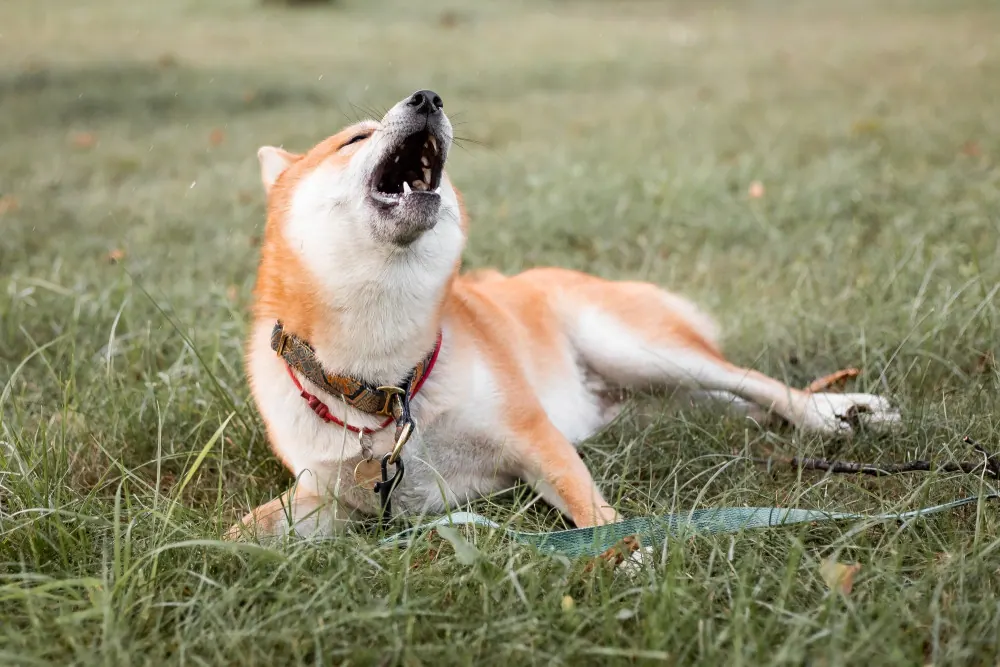
Dogs have a rich tapestry of ways to communicate, from the wag of their tails to the intensity of their barks. Among these, howling holds a special place, resonating with the primal aspects of their nature. This vocal expression fascinates and sometimes puzzles dog owners and animal enthusiasts alike. But why do dogs howl? The reasons are as varied and complex as the animals themselves, rooted in both their domestic environments and their wild ancestors’ lives.
The Call of the Wild
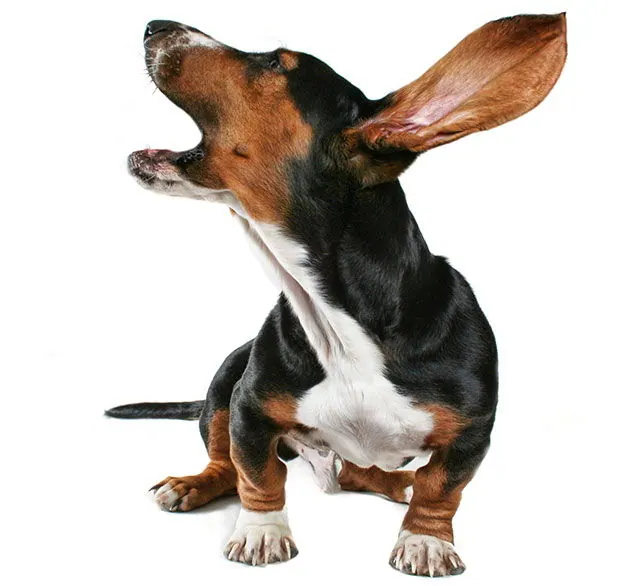
The ancestral lineage of dogs traces back to wolves, creatures for whom howling is a critical mode of communication across the vast distances of their natural habitats. Howling serves multiple purposes for wolves, including rallying the pack, signaling territory boundaries, and locating members after separation. Domestic dogs, despite their evolution and adaptation to human living conditions, retain this instinctual behavior. Your dog’s howling might be a deep-seated, evolutionary echo, a vestige of their wild ancestors calling to their pack.
A Form of Communication
At its core, howling is a powerful means of communication for dogs. It can convey a range of emotions and messages, from alerting their human family to potential threats to expressing excitement or distress. Dogs may howl to respond to certain stimuli, like the sound of sirens, music, or even other dogs howling, creating a domino effect of vocalizations. This behavior indicates their social nature, showing an innate desire to connect and communicate with those around them, whether canine or human.
Response to Environmental Triggers
Specific sounds trigger howling in dogs, often those that are high-pitched, such as sirens, musical instruments, or the singing of their human companions. This response may be tied to their ancestral reaction to high-pitched calls of their pack members. In a domestic setting, these sounds can inadvertently mimic the frequencies found in natural canine calls, prompting an instinctual howl. It’s a reminder of the sensitivity of dogs to their auditory environment, showcasing their complex neural processing of sounds.
Separation Anxiety and Attention-Seeking
For many dogs, howling can be a response to separation anxiety or a method to seek attention. Dogs that are left alone for long periods might howl as a way of expressing their discontent or hoping to elicit a response from their owners. Similarly, if a dog learns that howling results in attention from their humans, whether positive or negative, they might use it as a tool to communicate their desire for interaction. Understanding these behavioral cues is crucial for pet owners to address any underlying issues effectively.
Health-Related Causes
Sometimes, a dog’s howling could be indicative of underlying health issues. Pain, discomfort, or cognitive dysfunction in older dogs can lead to increased vocalizations, including howling. It’s essential for dog owners to observe any accompanying symptoms or changes in behavior and consult with a veterinarian to rule out or address any health concerns.
Breed Specific Tendencies
Certain dog breeds are more prone to howling than others. Breeds with strong hunting and working backgrounds, such as Beagles, Coonhounds, and Huskies, are known for their vocal tendencies. This trait can be attributed to the roles these breeds have played historically, where howling was a vital part of their work in the field, either to communicate with their human companions or to signal the tracking of prey.

The question of why dogs howl is enveloped in the intricate layers of their evolution, environment, and individual health and personality. This vocalization, echoing the call of their wild ancestors, remains a fundamental part of their communication toolbox, whether it’s used to signal distress, seek attention, or simply respond to the world around them. For dog owners and enthusiasts, understanding the nuances behind this behavior is not just about curbing unnecessary noise but about deepening the bond between them and their canine companions. By paying attention to the context and frequency of howling, one can glean insights into a dog’s emotional state and well-being, fostering a more empathetic and responsive relationship with these beloved members of our families.