Urinary Health Dog Food: Prescription Only After a Veterinary Diagnosis
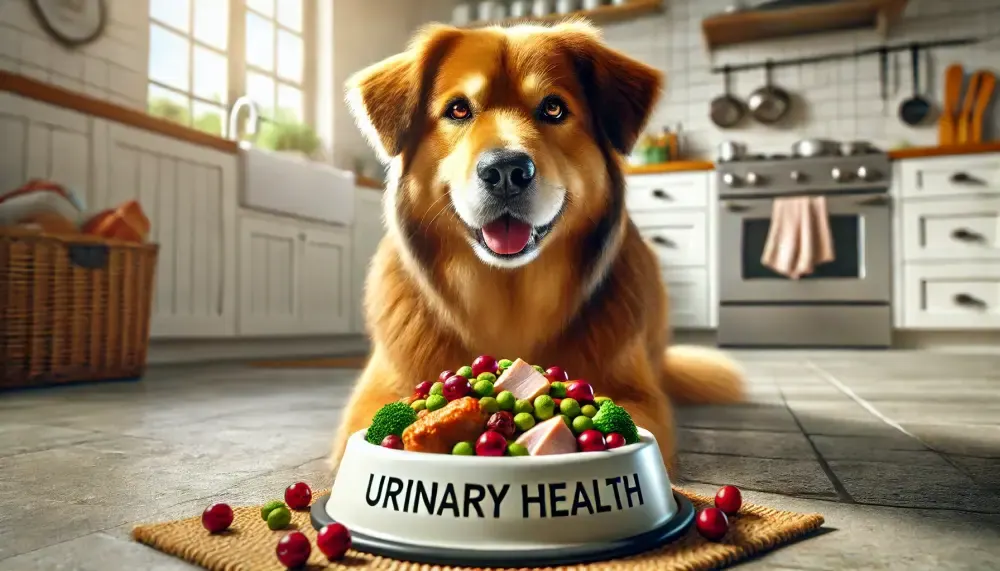
Urinary problems in dogs, including crystals, bladder stones, and infections, belong with a veterinarian, not a homemade “urinary recipe” or a grocery bag labeled for urinary health. Straining, blood in the urine, frequent attempts to urinate, or a dog that suddenly cannot pass urine is a reason to seek care, and an inability to urinate is an emergency. A prescription urinary diet can be appropriate after a diagnosis, but only if your veterinarian prescribes it. Those formulas are not interchangeable, and they are not a substitute for pain control, antibiotics, or surgery when those are needed.
This is general information, not a diagnosis. The Merck Veterinary Manual dog-owner pages are a reliable place to read more before you talk with your veterinarian.
For a related food question, see Vegan Dog Food: Only If It’s Complete, and Only With Veterinary Input.
Do not start a prescription diet, cranberry supplement, or home-cooked urinary menu on a guess. If your dog is otherwise healthy, a complete everyday food and good water intake are the baseline; see top dog food brands and wet vs dry dog food guide. Our guide to bladder stones in dogs remains a better path than improvising a diet.
As an Amazon Associate, we earn from qualifying purchases.
When it comes to your dog’s well-being, maintaining a healthy urinary system is crucial. Just like humans, dogs can suffer from urinary tract infections (UTIs), bladder stones, and other urinary issues. Providing your dog with the right urinary health dog food can make a significant difference in preventing and managing these conditions.
Why Is Urinary Health Important for Dogs?
A dog’s urinary system helps filter out toxins and maintain overall body health. When this system is compromised, your dog can experience discomfort, pain, and even severe health issues. Common urinary problems in dogs include:
- Urinary Tract Infections (UTIs): Bacterial infections that cause discomfort and frequent urination.
- Bladder Stones: Mineral deposits that form in the bladder, leading to pain and difficulty urinating.
- Crystalluria: The presence of crystals in the urine, which can develop into bladder stones if not addressed.
Feeding your dog a urinary health-focused diet can help prevent these problems and support overall well-being.
Tips for Maintaining Urinary Health in Dogs
In addition to providing urinary health dog food, consider these tips to keep your dog’s urinary system healthy:
- Encourage Hydration: Ensure your dog always has access to fresh water. This helps flush out toxins and reduces the risk of crystal formation.
- Monitor Urination Habits: Pay attention to any changes in your dog’s urination patterns, such as increased frequency or difficulty. Early detection can prevent serious health issues.
- Regular Vet Checkups: Regular veterinary visits can help identify urinary problems early and keep your dog’s health on track.
- Avoid High-Sodium Treats: High-sodium treats can contribute to urinary issues. Opt for low-sodium options or make homemade treats.
Signs of Urinary Health Issues in Dogs
Recognizing the signs of urinary health issues can help you take prompt action:
- Frequent urination or straining
- Blood in the urine
- Foul-smelling urine
- Licking the urinary opening excessively
- Changes in behavior or signs of discomfort
If you notice any of these symptoms, consult your veterinarian immediately.
Feeding your dog a urinary health-focused diet can be a game-changer in preventing and managing urinary issues. By choosing high-quality urinary health dog food, ensuring your dog stays hydrated, and monitoring their health, you can provide your furry friend with the best possible care. A healthy urinary system means a happier, more active dog!
Take the first step towards your dog’s urinary health today by choosing the right food and maintaining regular vet checkups. Your dog will thank you with wagging tails and joyful energy!
Prescription urinary diets, only if your veterinarian prescribes them
Therapeutic urinary foods such as Hill’s Prescription Diet c/d Multicare, Royal Canin Urinary SO, Purina Pro Plan Veterinary Diets UR, or Blue Buffalo Natural Veterinary Diet W+U are not everyday grocery foods, and they are not a do-it-yourself treatment for blood in the urine or straining. Your veterinarian should diagnose the problem, identify the stone or crystal type when needed, and decide whether a prescription diet is appropriate. The two Amazon examples below are veterinary diets, not a ranked best list. Two original links pointed to cat food or the wrong product and were removed.
Check price on Amazon: Blue Buffalo Natural Veterinary Diet W+U Chicken Dry Dog Food, 22 lb


