Crystals in Dog Urine: Causes, Symptoms, and Treatment Options
For a related food question, see Dog Flu – Symptoms, Causes and Treatment.
This is general information, not a diagnosis. The Merck Veterinary Manual dog-owner pages are a reliable place to read more before you talk with your veterinarian.
For a related food question, see Goldendoodle Allergies: Symptoms, Causes, and Treatment Options.
Crystals in a dog’s urine can be a concerning sign for pet owners. These tiny mineral deposits, while not always dangerous, can lead to discomfort or more serious conditions like bladder stones or infections if left untreated. Understanding the causes, symptoms, and treatment options available can help pet owners take the necessary steps to ensure their dog’s health and well-being.
What Are Urinary Crystals?
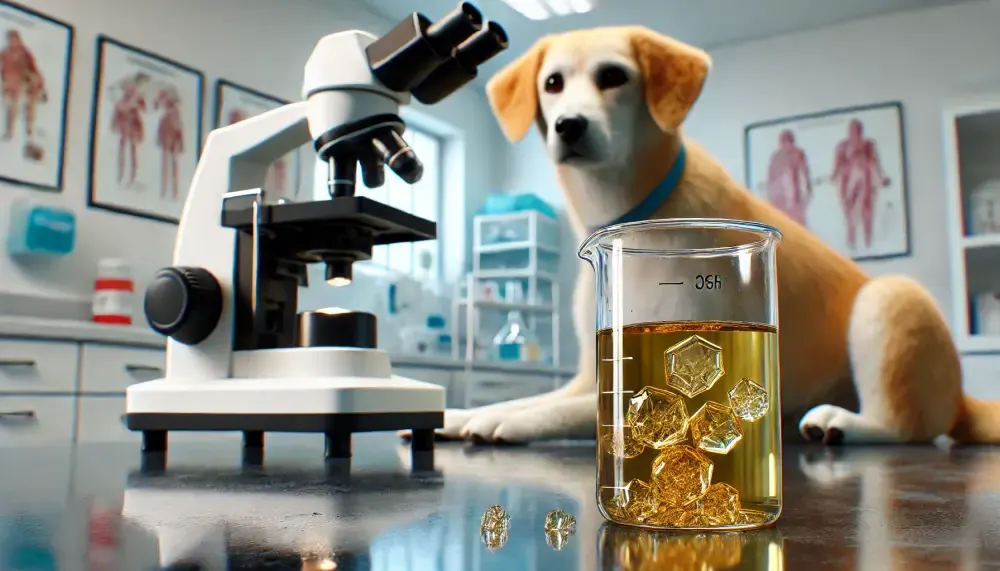
Urinary crystals are microscopic formations that appear in the urine due to the presence of certain minerals. These crystals can range in size and shape depending on the type of mineral involved, with some of the most common types being struvite, calcium oxalate, and urate crystals. While some dogs may pass crystals without any issues, others may develop more severe conditions if the crystals aggregate into stones or cause irritation to the urinary tract.
Causes of Crystals in Dog Urine
Several factors can contribute to the formation of crystals in a dog’s urine, including:
- Diet: The composition of your dog’s diet plays a significant role in the development of urinary crystals. A diet high in certain minerals, such as magnesium, phosphorus, and calcium, can lead to an increased risk of crystal formation.
- Hydration Levels: Dogs that do not drink enough water have a higher chance of developing urinary crystals. Concentrated urine provides an ideal environment for crystal formation as the minerals are less diluted.
- Urinary pH: The pH level of your dog’s urine can affect the types of crystals that form. For example, struvite crystals are more likely to develop in alkaline urine, while calcium oxalate crystals form in more acidic urine.
- Genetics: Some breeds are more predisposed to developing urinary crystals due to genetic factors. Breeds such as Dalmatians, Miniature Schnauzers, and Bulldogs are known to have a higher risk.
- Infections: Urinary tract infections (UTIs) can also lead to the formation of crystals in the urine. Bacteria can alter the pH of the urine, creating an environment that favors the development of certain types of crystals.
- Medications and Supplements: Certain medications or supplements may influence the chemical balance in your dog’s urine, contributing to crystal formation.
Symptoms of Crystals in Dog Urine
While some dogs with urinary crystals may not show any symptoms, others might experience discomfort or display signs that something is wrong. Common symptoms include:
- Frequent Urination: Your dog may attempt to urinate more often than usual, but only produce small amounts of urine each time.
- Painful Urination: If crystals are causing irritation to the urinary tract, your dog may whine, yelp, or strain when urinating.
- Blood in Urine: Hematuria, or blood in the urine, is a sign that crystals are causing damage or inflammation in the bladder or urethra.
- Lethargy: Dogs experiencing urinary discomfort may appear more tired or reluctant to engage in usual activities.
- Loss of Appetite: Dogs in pain or discomfort may refuse to eat or drink as they normally would.
If you notice any of these signs, it’s essential to consult a veterinarian promptly. Early detection and treatment can prevent complications such as bladder stones or urinary blockages.
Are Crystals in Dog Urine Dangerous?
Crystals in a dog’s urine are not always immediately dangerous but can become a serious concern if left untreated. While some dogs may pass these crystals without any issues, they can irritate the urinary tract, leading to discomfort or pain. In more severe cases, untreated crystals can aggregate and form bladder stones, which may cause urinary blockages, infections, or even damage to the bladder and kidneys. A urinary blockage is a life-threatening condition that requires urgent veterinary attention. Therefore, it’s crucial to monitor your dog’s symptoms and seek veterinary advice if you suspect any issues, ensuring early intervention and preventing complications.
Diagnosis of Crystals in Dog Urine
Diagnosing urinary crystals typically involves a urinalysis, where a veterinarian examines a sample of your dog’s urine under a microscope. This test allows the vet to determine the type and amount of crystals present, as well as any signs of infection or abnormal pH levels. In some cases, imaging tests like X-rays or ultrasounds may be necessary to check for the presence of bladder stones.
Treatment Options for Crystals in Dog Urine
Treatment for urinary crystals in dogs will depend on the type of crystals, the severity of the condition, and any underlying causes. Common treatment approaches include:
- Dietary Changes: Adjusting your dog’s diet is often the first line of defense against urinary crystals. Your vet may recommend a prescription diet designed to reduce mineral content and promote a healthy urinary pH. For example, low-protein diets may help prevent the formation of urate crystals, while low-magnesium diets can be beneficial for dogs with struvite crystals.
- Increased Hydration: Encouraging your dog to drink more water is essential to dilute the urine and reduce the concentration of minerals. Some dogs may benefit from eating wet food, which naturally contains more moisture than dry kibble.
- Medications: In cases where a urinary tract infection is present, antibiotics may be prescribed to eliminate the infection and prevent further crystal formation. Your vet may also prescribe medications to alter the pH of your dog’s urine, making it less favorable for crystal development.
- Surgery: In severe cases where crystals have formed into bladder stones, surgical removal may be necessary. This is especially true if stones are causing a urinary blockage, which can be life-threatening.
- Ongoing Monitoring: After treatment, regular check-ups with your vet are crucial to monitor your dog’s urinary health and ensure that crystals are not re-forming. Periodic urinalysis and diet adjustments may be needed to maintain long-term health.
Preventing Urinary Crystals in Dogs
Prevention is always the best approach when it comes to urinary crystals. Here are some tips to help keep your dog’s urinary tract healthy:
- Provide Fresh Water: Ensure your dog always has access to clean, fresh water to encourage hydration.
- Feed a Balanced Diet: Work with your veterinarian to provide a diet that meets your dog’s nutritional needs without excess minerals.
- Monitor Urinary Habits: Pay attention to your dog’s urination patterns and seek veterinary care if you notice any changes or signs of discomfort.
- Regular Vet Visits: Routine check-ups can help detect early signs of urinary issues before they become serious problems.
Crystals in dog urine are a manageable condition when detected early and treated appropriately. By understanding the causes, symptoms, and treatment options, you can help ensure your dog’s urinary health and overall well-being.


