The Origin Of The Modern Dog
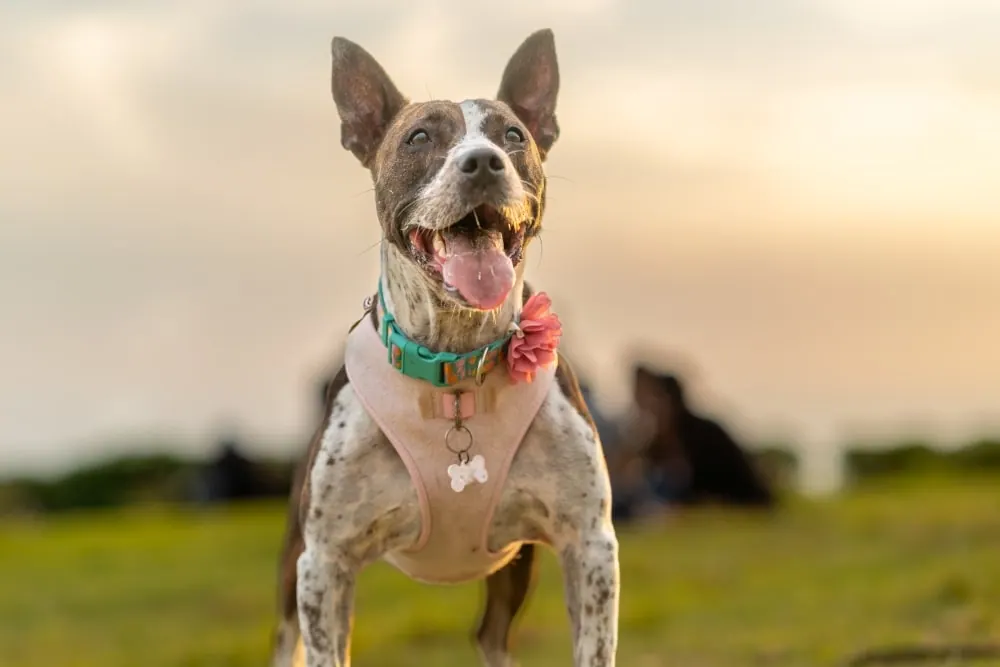
The story of how the modern dog came to be is one of the most fascinating chapters in the history of domestication. From the wild and untamed wolves of ancient times to the loyal companions we know today, dogs have undergone a remarkable transformation. This journey, spanning thousands of years, has shaped not only the dogs themselves but also human society. Let’s learn about the origin of the modern dog and explore how this unique bond between humans and canines evolved.
From Wolves to Dogs: The Beginning
The origin of the modern dog can be traced back to wolves, specifically the gray wolf (Canis lupus). Scientists believe that the domestication of wolves began around 20,000 to 40,000 years ago during the late Pleistocene era. The exact timeline and geographical location of this process are still subjects of research and debate, but it’s widely accepted that humans and wolves formed a mutualistic relationship during this period.
Early humans, who were hunter-gatherers, likely encountered wolves frequently. These encounters would have led to wolves scavenging near human campsites. Over time, a subset of wolves that exhibited less fear and more tolerance towards humans might have started to receive food scraps and other resources. This proximity to humans would have favored wolves with certain behavioral traits, such as reduced aggression and increased sociability.
The Process of Domestication
Domestication is a complex process that involves both natural and artificial selection. In the case of dogs, natural selection favored wolves that could coexist with humans. These wolves not only gained access to food but also protection from predators. In return, humans benefited from the wolves’ keen senses and hunting skills.
Artificial selection, or selective breeding by humans, played a crucial role in shaping the modern dog. Early humans likely began to selectively breed wolves that exhibited desirable traits, such as tameness, loyalty, and specific physical attributes. Over generations, these selective breeding practices led to significant genetic and behavioral changes, resulting in the first domesticated dogs.
Genetic Evidence and the Evolutionary Path
Advancements in genetic research have provided valuable insights into the evolutionary path of dogs. DNA studies have revealed that all modern dogs share a common ancestry with ancient wolves. Despite the close genetic relationship, dogs and wolves have distinct differences due to thousands of years of selective breeding.
One of the key genetic changes observed in domesticated dogs is their ability to digest starch-rich diets. This adaptation is linked to the agricultural revolution when humans transitioned from a hunter-gatherer lifestyle to settled farming communities. As humans began to cultivate crops, the diet of domesticated dogs also changed, favoring individuals with the ability to process starchy foods.
The Role of Dogs in Human Society
The domestication of dogs had profound implications for human society. Dogs became invaluable partners in various aspects of life, including hunting, herding, guarding, and companionship. Their diverse roles contributed to the development of different dog breeds, each specialized for specific tasks.
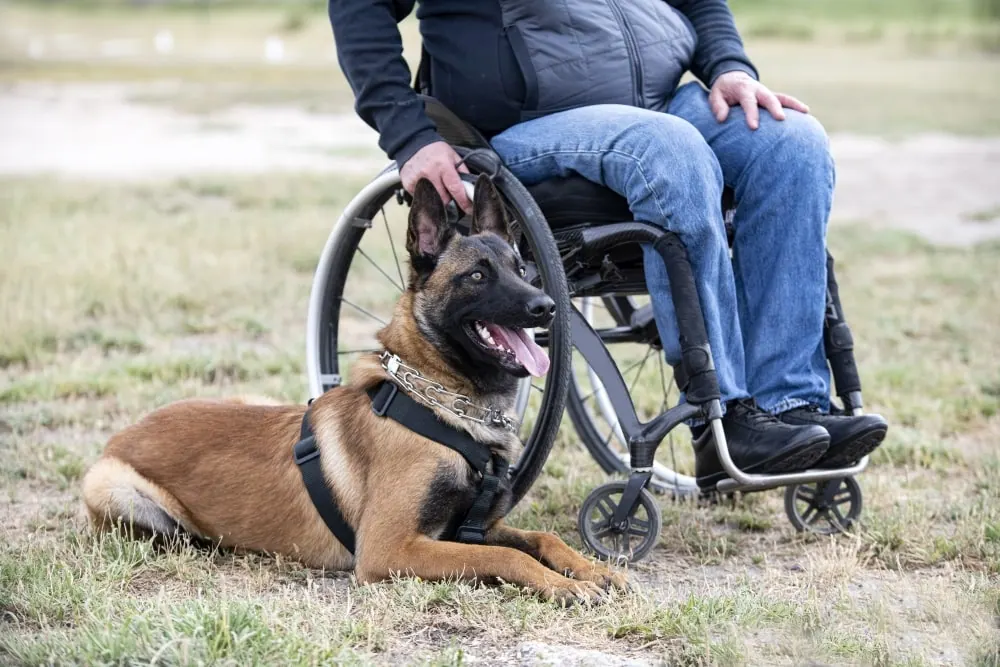
In hunting, dogs’ keen senses and agility made them excellent trackers and retrievers. Herding dogs, such as the Border Collie, were bred to manage livestock, while guard dogs provided protection for human settlements. The bond between humans and dogs also extended to emotional support and companionship, a role that continues to be significant in modern times.
The Emergence of Modern Dog Breeds
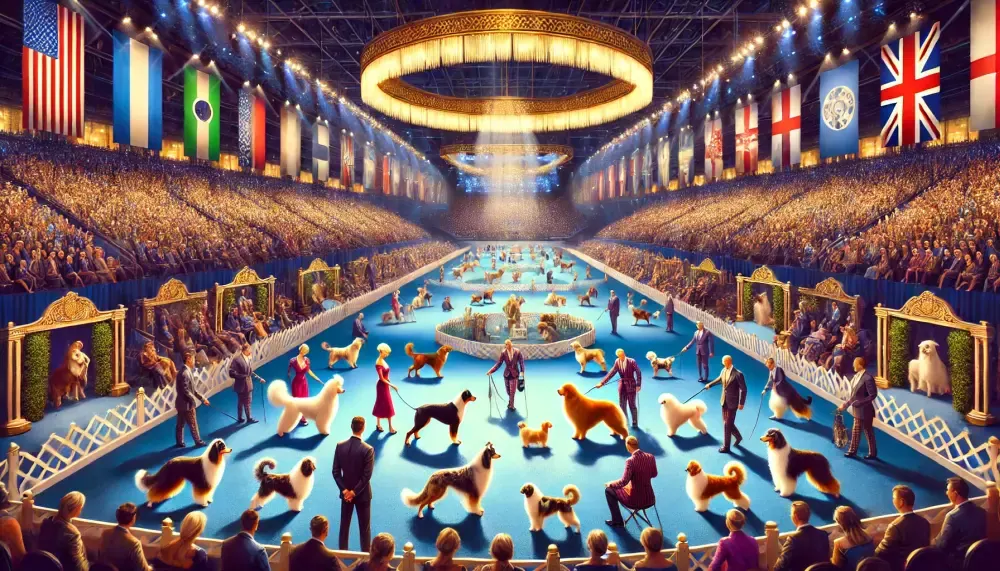
The diversity of modern dog breeds is a testament to the extensive selective breeding practices employed by humans over millennia. The American Kennel Club (AKC) recognizes nearly 200 distinct breeds, each with unique characteristics and traits.
The emergence of modern dog breeds can be categorized into several historical periods:
- Ancient Breeds: These are some of the earliest dog breeds that have remained relatively unchanged for thousands of years. Examples include the Basenji, Saluki, and Afghan Hound.
- Medieval Breeds: During the Middle Ages, selective breeding practices became more refined, leading to the development of breeds such as the Greyhound, Bloodhound, and Mastiff.
- Renaissance and Early Modern Breeds: The Renaissance period saw the rise of breeds with specific functions, such as the Bulldog and Spaniel. The early modern era introduced breeds like the Poodle and Great Dane.
- Modern Breeds: The 19th and 20th centuries brought about a surge in the development of new breeds through systematic breeding programs. This period saw the creation of popular breeds like the Labrador Retriever, German Shepherd, and Golden Retriever.
The Unique Bond Between Humans and Dogs
The bond between humans and dogs is unique and unparalleled in the animal kingdom. This relationship is characterized by mutual trust, loyalty, and companionship. Dogs have an innate ability to understand human emotions and respond accordingly, making them exceptional companions and therapy animals.
Research has shown that interactions with dogs can have positive effects on human health, including reducing stress, lowering blood pressure, and improving mental well-being. The role of dogs in therapy and assistance has also expanded, with service dogs providing critical support to individuals with disabilities.
The origin of the modern dog is a story of co-evolution and mutual benefit. From their wild ancestors, wolves, to the diverse and beloved breeds we cherish today, dogs have undergone an extraordinary transformation. This journey has not only shaped the dogs themselves but also had a significant impact on human society. As we continue to explore the depths of this ancient relationship, one thing remains clear: the bond between humans and dogs is as enduring and profound as ever.