The Dangers of Chives for Dogs: Why You Should Keep Them Away
For general pet-health questions, the AVMA pet-owner resources are a reliable starting point, and your veterinarian should guide individual decisions.
Chives are a common ingredient in many kitchens, often added to dishes for a mild onion flavor. However, while they may be harmless to humans, they pose a significant risk to dogs. In fact, chives belong to the Allium family, which includes onions, garlic, and leeks—all of which are known to be toxic to dogs. This article explores the dangers of chives for dogs, what to watch for, and how to protect your furry friend from accidental poisoning.
What Are Chives and Why Are They Dangerous to Dogs?
Chives (Allium schoenoprasum) are perennial herbs that are widely used in cooking for their onion-like flavor. While they may be delicious in your salad or scrambled eggs, they contain compounds that are harmful to dogs. The primary toxic agent in chives is thiosulfate, a compound that can damage red blood cells in dogs, leading to hemolytic anemia. Even a small amount of chives can cause serious health issues in your dog.
The Allium family, which includes chives, contains sulfur compounds that are harmless to humans but dangerous to dogs. When dogs ingest chives, these compounds can lead to oxidative damage to their red blood cells, ultimately causing them to rupture.
How Much Chive is Toxic to Dogs?
The level of toxicity depends on several factors, including the size of the dog, the amount ingested, and the dog’s sensitivity to the toxic compounds. Larger dogs may be able to handle a small amount of chives without showing symptoms, while smaller dogs or those with a more sensitive constitution can develop serious health issues even with minimal exposure.
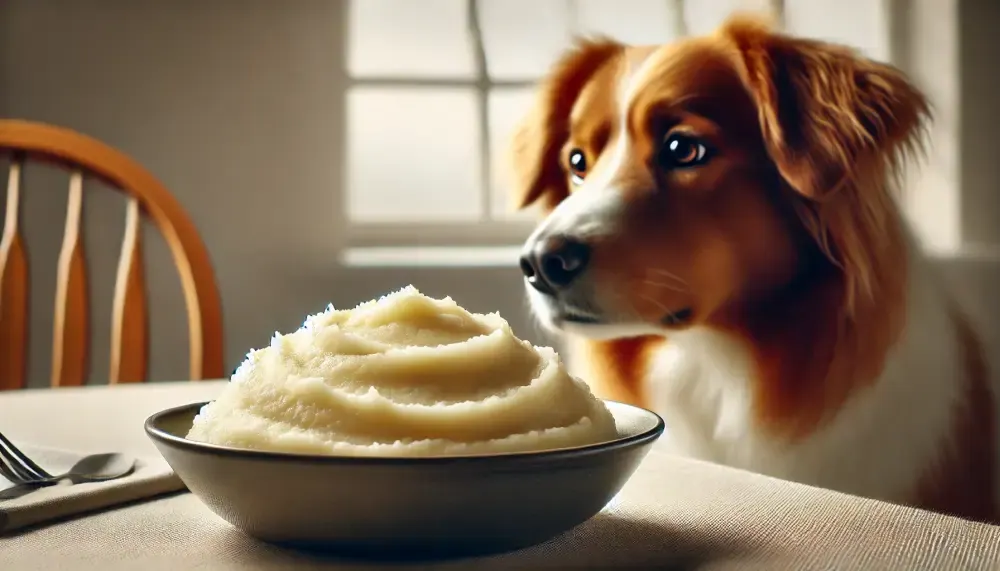
There is no specific “safe” amount of chives for dogs, so it’s best to avoid giving them any amount. Even foods seasoned with chives can pose a risk, as can raw, cooked, or dried forms of the herb. It’s important to keep all forms of chives away from your dog’s reach.
Symptoms of Chive Poisoning in Dogs
Chive poisoning may not present symptoms immediately, but once they appear, it’s crucial to seek veterinary care. Symptoms can include:
- Vomiting and diarrhea
- Drooling or excessive salivation
- Weakness and lethargy
- Rapid breathing or panting
- Pale gums (indicating anemia)
- Increased heart rate
- Red or brown urine (due to damaged red blood cells)
If your dog shows any of these symptoms after ingesting chives, contact your veterinarian right away. The quicker you seek treatment, the better the chances of recovery.
What to Do if Your Dog Eats Chives
If you suspect that your dog has ingested chives, the first step is to contact your veterinarian. Even if your dog isn’t showing symptoms yet, it’s better to be safe than sorry. Depending on the amount ingested and your dog’s health, the vet may recommend bringing your dog in for treatment, inducing vomiting, or monitoring symptoms closely at home.
In more severe cases, treatment may include:
- IV fluids to help flush the toxins from the body
- Oxygen therapy if your dog is experiencing difficulty breathing
- Blood transfusions if the red blood cell damage is extensive
- Medications to control symptoms like nausea or diarrhea
Prompt medical attention can save your dog’s life, so don’t delay in seeking help.
How to Prevent Chive Poisoning in Dogs
Prevention is the best way to protect your dog from the dangers of chives. Here are some practical steps you can take to keep your dog safe:
- Keep Chives Out of Reach: Store all herbs, including chives, in a place where your dog can’t access them. Make sure to keep any food that contains chives securely covered and out of reach as well.
- Watch What You Feed Your Dog: Many human foods contain hidden ingredients like chives. Before offering any food to your dog, check the ingredients to ensure it’s safe for them to eat.
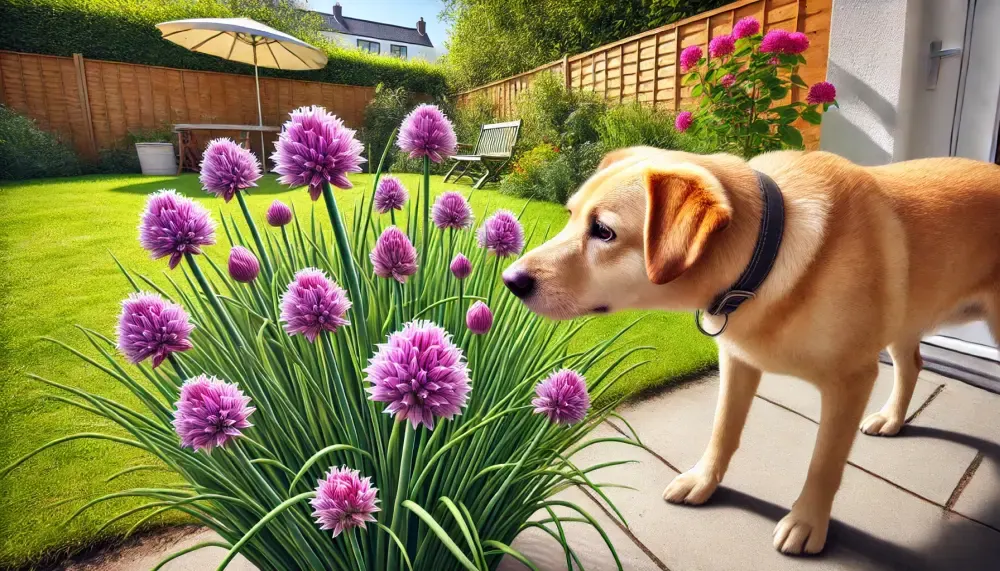
- Avoid Letting Your Dog Roam in the Garden: If you grow chives or other Allium plants in your garden, fence off the area to prevent your dog from snacking on them.
- Educate Others: Make sure everyone in your household knows about the dangers of chives for dogs. Guests or family members might not be aware that even a small amount of chives can be harmful.
Other Plants in the Allium Family to Avoid
In addition to chives, there are several other plants in the Allium family that are toxic to dogs. These include:
- Onions: One of the most toxic members of the Allium family for dogs. Even small amounts of onion, whether raw, cooked, or powdered, can cause severe anemia in dogs.
- Garlic: Garlic is even more toxic than onions and can cause gastrointestinal irritation and damage to red blood cells.
- Leeks: Like onions and garlic, leeks are also dangerous for dogs and can cause similar symptoms of poisoning.
If your dog ingests any of these plants, follow the same steps for seeking veterinary care as you would for chives.
Keep Your Dog Safe from Chive Poisoning
Chives may be a tasty addition to your meals, but they are not safe for your dog. The toxic compounds in chives can lead to serious health issues, including anemia, and may even be fatal if not treated promptly. By keeping chives out of your dog’s diet and being vigilant about potential exposure, you can protect your furry friend from harm.
Remember, when it comes to chives and dogs, it’s better to err on the side of caution. Always seek veterinary advice if you suspect your dog has ingested something harmful, and keep your home and garden free of toxic plants.