Sick Cat Symptoms: How to Recognize When Your Cat Needs Help
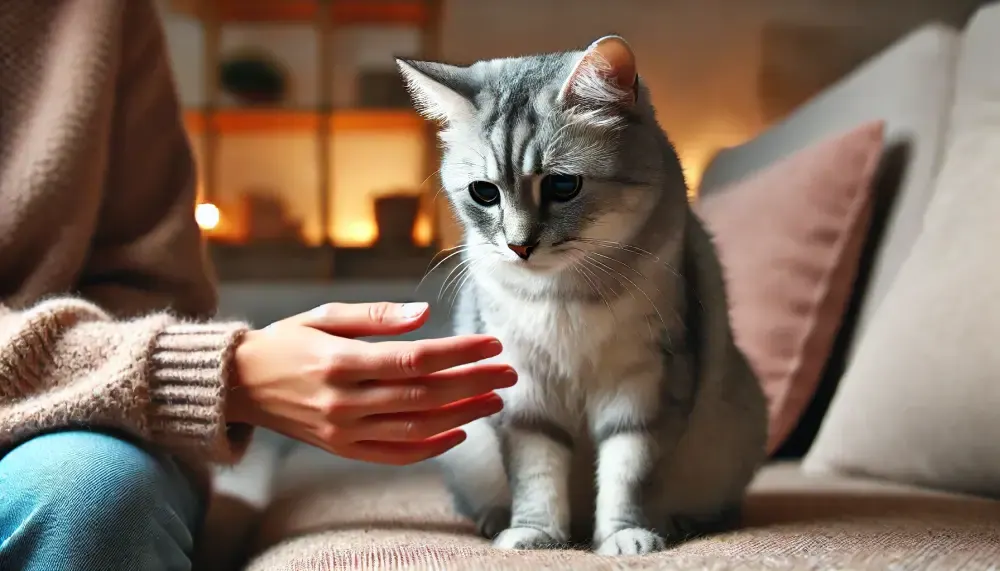
Do not start a supplement because a cat looks unwell; lysine is discussed separately in lysine for cats, and it is not a substitute for an exam.
This is general information, not a diagnosis. The Merck Veterinary Manual cat-owner pages are a reliable place to read more before you talk with your veterinarian.
Cats are masters at hiding illness, a trait they inherited from their wild ancestors who needed to appear strong to avoid predators. However, as pet owners, it’s crucial to be vigilant and recognize the subtle signs of sickness in your cat. Early detection of illness can mean the difference between a quick recovery and a more serious health issue. This article will guide you through the most common symptoms that could indicate your cat is unwell, helping you take prompt action to ensure their well-being.
Behavioral Changes
One of the first signs that your cat may be sick is a change in their usual behavior. Cats are creatures of habit, and any deviation from their normal routine should be noted. Some behavioral changes to watch for include:
- Lethargy or decreased activity: If your typically energetic cat becomes lethargic, it could be a sign of illness. Cats that are unwell often sleep more than usual and show little interest in play or interaction.
- Aggression or irritability: A normally friendly cat may become aggressive or irritable if they are in pain or discomfort. This can be especially evident when you touch a particular area of their body.
- Hiding: Cats often hide when they are sick as a way to protect themselves. If your cat starts spending more time in secluded areas, it may be a sign that they are not feeling well.
- Changes in grooming habits: Cats are known for their grooming, and a decrease in grooming could indicate illness. Conversely, excessive grooming of a specific area may be a sign of pain or discomfort in that area.
Changes in Appetite and Thirst
A noticeable change in your cat’s eating or drinking habits can be a red flag. Cats are typically consistent in their food and water intake, so any changes should be monitored closely.
- Loss of appetite: A sick cat may refuse food, which can lead to serious health issues if it continues for more than a day or two. Loss of appetite can be caused by various conditions, including infections, dental problems, or gastrointestinal issues.
- Increased thirst: If your cat is drinking more water than usual, it could be a sign of diabetes, kidney disease, or hyperthyroidism. Monitoring your cat’s water intake can help you catch these conditions early.
- Weight loss or gain: Sudden weight loss or gain, even if your cat’s appetite seems normal, can indicate underlying health problems. It’s essential to keep an eye on your cat’s weight and consult a veterinarian if you notice significant changes.
Respiratory Issues
Respiratory symptoms are often among the first signs of illness in cats. These symptoms can range from mild to severe and should never be ignored.
- Sneezing or coughing: Occasional sneezing is normal, but persistent sneezing, especially if accompanied by discharge, could indicate a respiratory infection.
- Labored breathing: Difficulty breathing, rapid breathing, or wheezing is a serious symptom that requires immediate veterinary attention. These signs can indicate conditions such as asthma, heart disease, or respiratory infections.
- Nasal or eye discharge: Discharge from the eyes or nose, especially if it is thick or discolored, is often a sign of an upper respiratory infection or other illness.
Digestive Issues
Digestive problems are common in cats and can manifest in several ways. While occasional digestive upset is normal, persistent symptoms warrant a trip to the veterinarian.
- Vomiting: While cats do vomit occasionally, frequent vomiting is a sign that something is wrong. Causes can range from mild issues like hairballs to more serious conditions such as kidney disease or gastrointestinal obstruction.
- Diarrhea: Diarrhea can be caused by various factors, including dietary changes, infections, or parasites. If your cat has diarrhea for more than a day, it’s important to seek veterinary advice.
- Constipation: On the other hand, if your cat is straining to defecate or has not passed stool for more than a day or two, it could be a sign of constipation or a blockage.
Changes in Urination
Urinary issues are particularly concerning in cats, especially males, as they can indicate a life-threatening condition.
- Frequent urination: Increased frequency of urination, especially if accompanied by straining or discomfort, can be a sign of a urinary tract infection or bladder stones.
- Blood in urine: Blood in the urine is a serious symptom that requires immediate veterinary attention. It can indicate a urinary tract infection, bladder stones, or other serious conditions.
- Inappropriate urination: If your cat starts urinating outside the litter box, it could be a sign of illness or stress. Urinary issues are one of the most common reasons cats are brought to the veterinarian.
Physical Symptoms
In addition to changes in behavior and bodily functions, you may notice physical symptoms that indicate your cat is not feeling well.
- Fever: A high body temperature can be a sign of infection or inflammation. If your cat feels unusually warm to the touch, particularly around the ears or paws, it may have a fever.
- Swelling or lumps: Any new lumps, bumps, or swelling on your cat’s body should be checked by a veterinarian. These can be signs of abscesses, tumors, or other conditions.
- Skin problems: Hair loss, itching, or skin redness can indicate allergies, parasites, or skin infections. Persistent scratching or licking at one area is often a sign of a problem that needs to be addressed.
When to See a Veterinarian
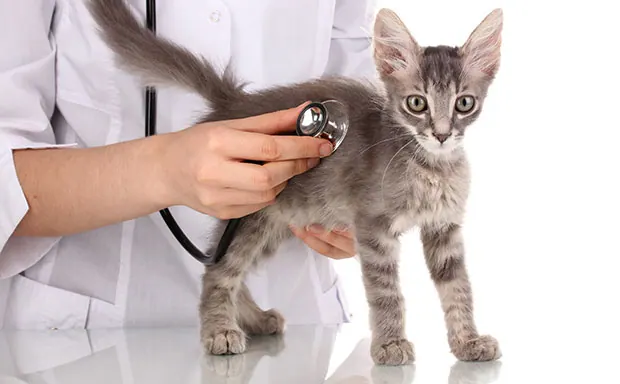
If you notice any of the symptoms mentioned above, it’s essential to consult with a veterinarian as soon as possible. Early intervention can prevent more serious health issues and ensure your cat receives the care they need. Remember, cats are experts at hiding illness, so trust your instincts—if something seems off with your cat, it’s always better to be cautious and seek professional advice.
Preventive Care and Monitoring
The best way to keep your cat healthy is through regular preventive care and monitoring. This includes:
- Regular veterinary check-ups: Annual or bi-annual check-ups can help catch potential health issues early. Your veterinarian can provide vaccinations, dental care, and advice on diet and exercise to keep your cat healthy.
- Monitoring your cat’s health: Keep a close eye on your cat’s behavior, appetite, and physical condition. Regularly check their body for lumps, bumps, or other abnormalities, and keep track of any changes in their routine.
By being vigilant and proactive, you can ensure that your cat stays healthy and happy for years to come.