Lysine for Cats: Benefits, Dosage, and Side Effects
As pet owners, we are always on the lookout for ways to enhance our cats’ health and well-being. Lysine, an essential amino acid, has gained popularity for its potential benefits in feline health, particularly for cats suffering from certain viral infections. This comprehensive guide explores the benefits, proper dosage, and potential side effects of lysine for cats.
As an Amazon Associate, we earn from qualifying purchases.
Understanding Lysine
Lysine is an essential amino acid, meaning it must be obtained through diet or supplements because the body cannot produce it. In cats, lysine plays a crucial role in several bodily functions, including:
- Protein Synthesis: Lysine is vital for the production of proteins, which are essential for growth, tissue repair, and enzyme function.
- Immune Function: It supports the immune system, helping cats fend off infections and illnesses.
- Collagen Formation: Lysine is necessary for collagen formation, contributing to healthy skin, bones, and connective tissues.
Benefits of Lysine for Cats
Lysine is particularly beneficial for cats with feline herpesvirus (FHV-1), a common virus that affects the upper respiratory tract. Here are some of the key benefits:
- Reduction in Severity and Frequency of Symptoms: Lysine has been shown to reduce the severity and frequency of symptoms associated with FHV-1, such as sneezing, nasal discharge, and conjunctivitis.
- Immune System Support: By enhancing immune function, lysine helps cats combat viral infections more effectively.
- Improved Overall Health: Regular lysine supplementation can contribute to better overall health and well-being, particularly in cats prone to viral infections.
Proper Dosage of Lysine for Cats
The appropriate dosage of lysine for cats depends on various factors, including the cat’s size, age, and health condition. It’s crucial to consult with a veterinarian before starting any supplementation regimen. However, general dosage guidelines include:
- Preventive Dosage: For general immune support, a daily dose of 250 mg to 500 mg is commonly recommended.
- Treatment Dosage: For cats actively suffering from FHV-1 symptoms, a higher dose of 500 mg to 1000 mg per day may be prescribed, usually divided into two doses.
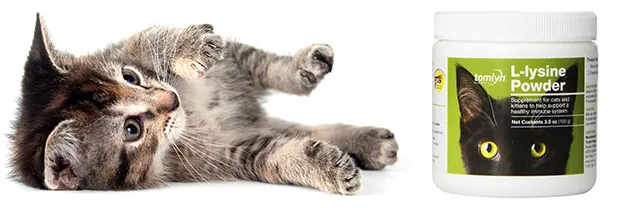
Lysine supplements for cats come in various forms, including powders, gels, and treats. It’s essential to choose a form that your cat will accept readily. Mixing lysine powder into wet food is often a convenient and effective method.
See top-rated Lysine for cats on Amazon
This is general information, not a diagnosis. The Merck Veterinary Manual cat-owner pages are a reliable place to read more before you talk with your veterinarian.
Potential Side Effects of Lysine
While lysine is generally considered safe for cats, some potential side effects and considerations include:
- Gastrointestinal Upset: Some cats may experience mild gastrointestinal issues, such as diarrhea or vomiting, especially when first starting lysine supplementation. It’s advisable to start with a lower dose and gradually increase it.
- Allergic Reactions: Although rare, some cats may have an allergic reaction to lysine supplements. If you notice signs of an allergic reaction, such as itching, swelling, or difficulty breathing, discontinue use and consult your veterinarian immediately.
- Overdose Risks: Overdosing on lysine can lead to more severe health issues, including kidney damage. Always follow the dosage recommendations provided by your veterinarian.
Choosing the Right Lysine Supplement
When selecting a lysine supplement for your cat, consider the following factors:
- Quality and Purity: Choose a reputable brand that ensures high-quality and pure lysine supplements, free from harmful additives or contaminants.
- Form and Flavor: Opt for a form and flavor that your cat will accept. Some cats prefer flavored gels or treats, while others may tolerate powders mixed into their food.
- Veterinarian Recommendations: Consult your veterinarian for recommendations on the best lysine supplement for your cat’s specific needs.
Administering Lysine to Your Cat
Administering lysine to your cat can be straightforward with the right approach. Here are some tips to make the process easier:
- Mix with Food: The simplest way to give lysine to your cat is by mixing it into their wet food. Most cats won’t notice the addition, making it a stress-free method.
- Use Treats: If your cat enjoys treats, consider lysine-infused treats. These are often palatable and make supplementation feel like a reward.
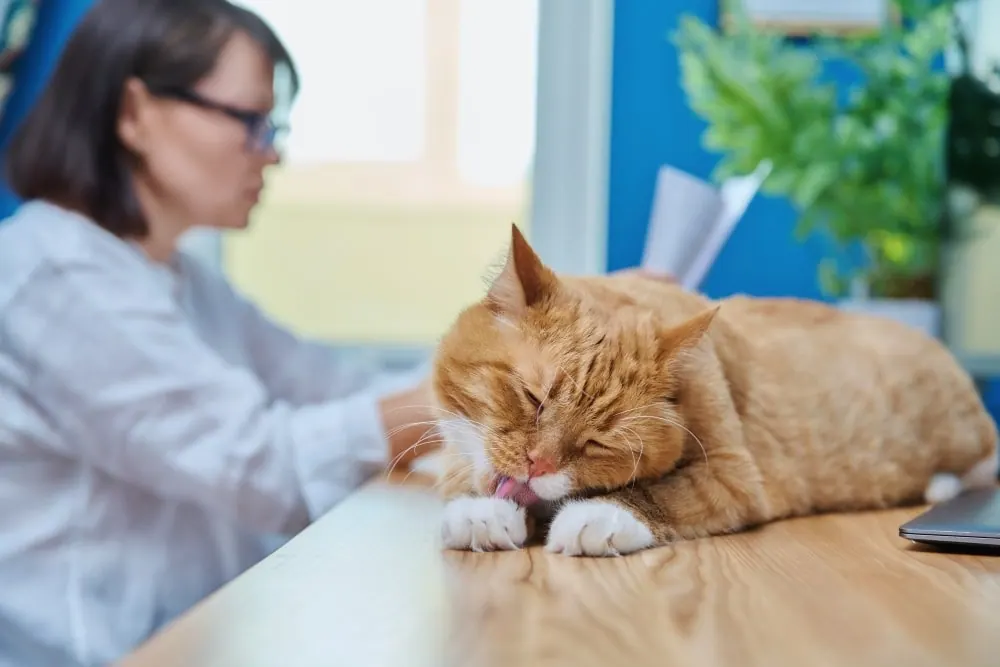
- Direct Administration: For cats that are difficult to medicate, lysine gels can be applied directly to the paw, where the cat will lick it off.
Monitoring Your Cat’s Health
Regular monitoring of your cat’s health is essential when administering any supplement. Keep an eye out for any changes in symptoms or behavior and maintain open communication with your veterinarian. Routine check-ups will help ensure that your cat’s lysine supplementation is effective and safe.
Lysine can be a valuable addition to your cat’s health regimen, particularly for those suffering from feline herpesvirus. By understanding the benefits, proper dosage, and potential side effects, you can make informed decisions to enhance your cat’s well-being. Always consult with your veterinarian before starting any new supplement to ensure it’s the best choice for your feline friend.
With the right approach, lysine can help support your cat’s immune system, reduce the severity of viral symptoms, and contribute to a healthier, happier life.