How to Train Your Cat to Use The Toilet
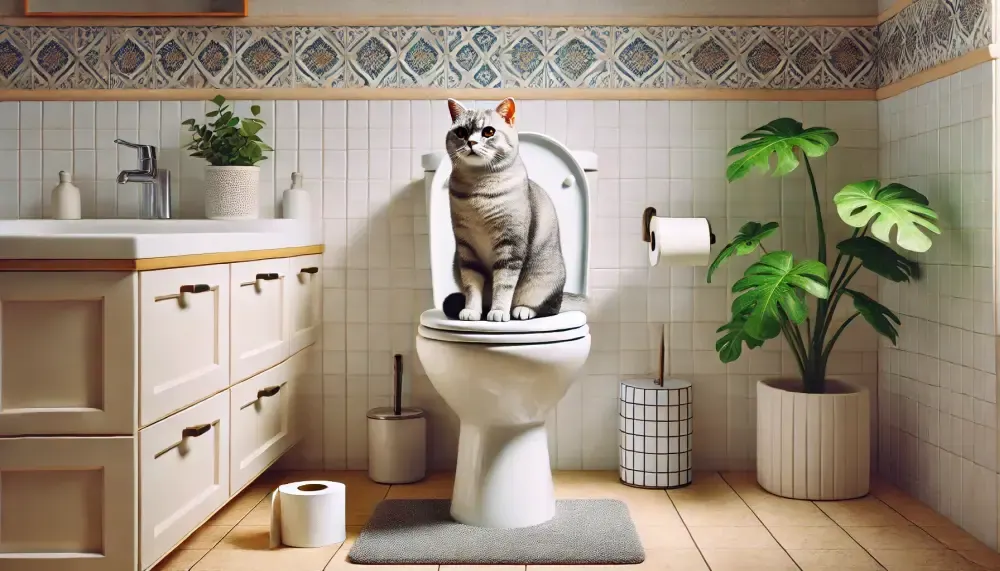
If you’ve ever wished for a cleaner, more convenient way to care for your cat, toilet training might be the answer. Imagine a world where you no longer need to scoop litter, deal with the smell, or purchase bags of kitty litter. While it may sound like a scene from a comedy movie, toilet training your cat is entirely possible with patience, persistence, and the right approach. Here’s a comprehensive guide to help you and your feline friend make the transition from litter box to toilet.
As an Amazon Associate, we earn from qualifying purchases.
Why Train Your Cat to Use The Toilet?
Before diving into the steps, it’s important to understand the benefits of toilet training your cat. The most obvious advantage is the elimination of litter boxes, which can save money and reduce household odors. Additionally, it can be a more hygienic option for both you and your cat. Without the litter box, there’s less risk of tracking litter particles around the house, which can harbor bacteria.
Moreover, toilet training can be a stimulating and enriching experience for your cat. The process requires them to learn new behaviors and adapt to new environments, keeping them mentally sharp and engaged.
Getting Started: Assessing Your Cat’s Readiness
Not every cat is a candidate for toilet training. Consider your cat’s personality, age, and health before starting. Younger cats may adapt more quickly, while older cats may have difficulty with the transition. Additionally, cats that are already well-trained in using the litter box and have a calm, curious nature tend to do better.
It’s also important to note that toilet training isn’t suitable for all households. If you have multiple cats, a cat with mobility issues, or limited access to a bathroom, toilet training might not be the best option. If you decide to move forward, be prepared to dedicate time and effort to the process.
Step-by-Step Guide to Toilet Training Your Cat
1. Transitioning from the Litter Box to the Bathroom
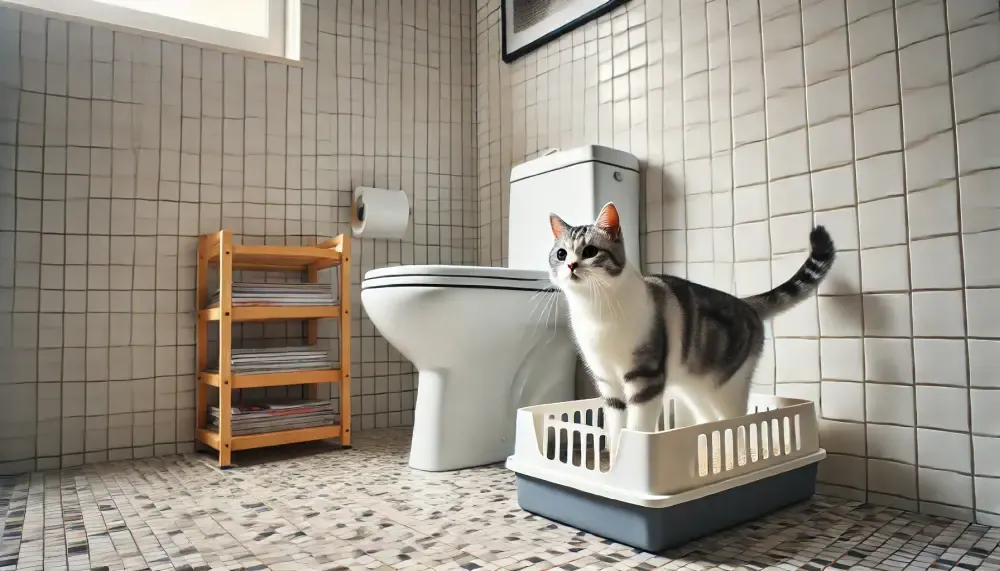
Start by moving your cat’s litter box into the bathroom. If possible, place it near the toilet. Allow your cat time to adjust to the new location. This step may take a few days to a week, depending on how easily your cat adapts.
Gradually raise the height of the litter box using stacks of newspapers, magazines, or other stable items. The goal is to get the litter box at the same height as the toilet. Make sure the transition is slow, so your cat doesn’t feel stressed or confused. It’s crucial that the litter box remains stable to prevent accidents or fear.
2. Introducing the Toilet
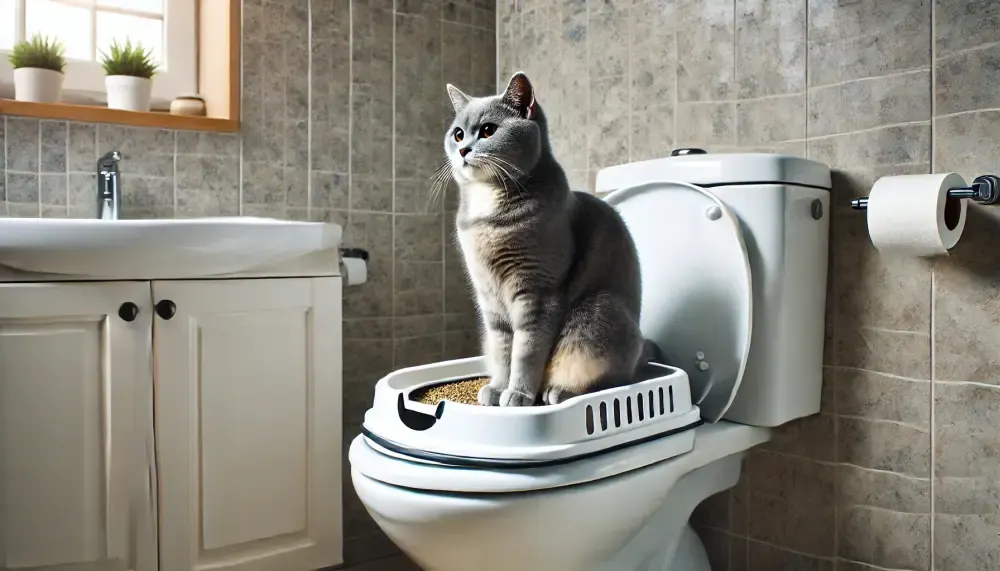
Once your cat is comfortable with the raised litter box, it’s time to introduce the toilet. Place a cat toilet training seat, such as the CitiKitty or Litter Kwitter, on your toilet. These products come with a special insert that holds a small amount of litter and fits securely on the toilet bowl.
Initially, allow your cat to use the training seat with the insert filled with litter. This will help them associate the toilet with their usual bathroom habits. Continue to monitor your cat closely during this phase, offering praise and treats to reinforce positive behavior.
For general feline health context, the Merck Veterinary Manual cat-owner pages are a reliable starting point, and your veterinarian should guide individual decisions.
For a related behavior question, see Is it Possible to Train a Cat?.
Check price on Amazon: CitiKitty Cat Toilet Training Kit (One Pack)
3. Reducing the Litter Gradually
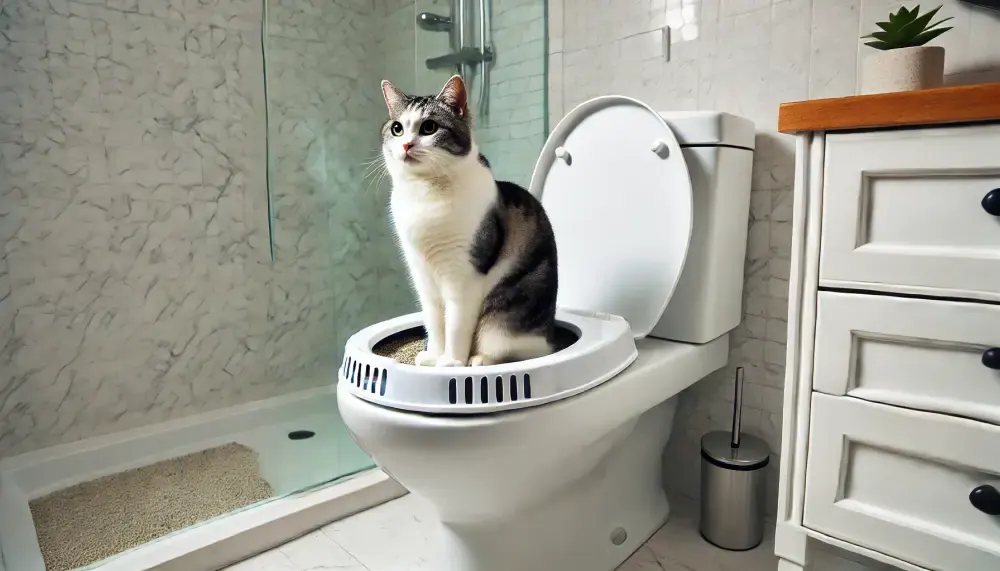
As your cat becomes more comfortable using the toilet training seat, begin to reduce the amount of litter in the insert. Do this gradually, so your cat has time to adjust. The goal is to eventually eliminate the use of litter altogether.
Over time, your cat will become accustomed to the idea of eliminating waste without the need for litter. Depending on your cat’s progress, this step can take a few weeks to complete.
4. Removing the Training Seat
Once your cat is consistently using the toilet without litter, it’s time to remove the training seat. This is the final step in the process, and it’s essential to monitor your cat closely. Some cats may take to this new setup quickly, while others might need a bit more encouragement.
If your cat shows signs of hesitation or stress, consider reintroducing the training seat for a short period before attempting to remove it again. Remember to be patient and understanding; toilet training is a significant change for your cat, and they may need some extra time to fully adapt.
5. Maintaining the Behavior
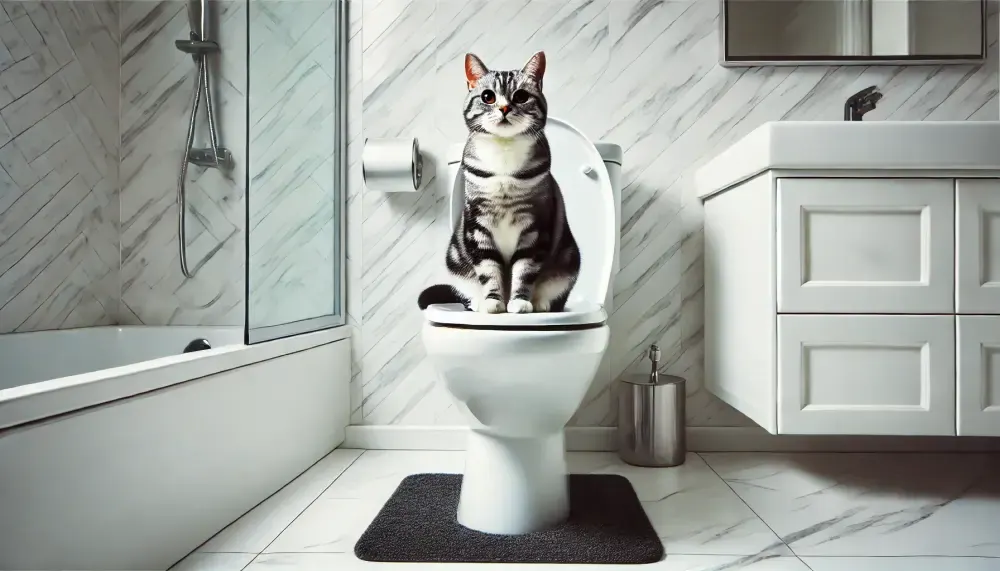
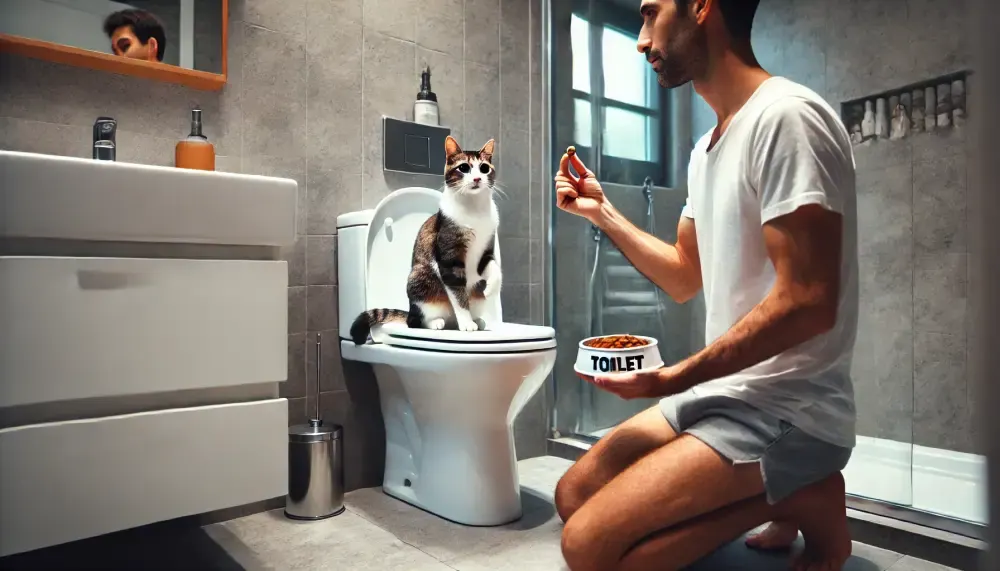
Once your cat has successfully transitioned to using the toilet without the training seat, it’s important to maintain this new behavior. Continue to offer positive reinforcement, such as treats and praise, whenever your cat uses the toilet. Over time, this will help solidify the habit.
Be aware that any changes in your household, such as moving to a new home or changes in your cat’s routine, might temporarily disrupt their toilet training. In such cases, it might be necessary to reintroduce the training seat or revisit earlier steps to help your cat regain confidence.
Common Challenges and Solutions
Toilet training a cat is not without its challenges. Here are some common issues you may encounter and tips on how to address them:
- Resistance to the Training Seat: Some cats may refuse to use the training seat initially. If this happens, try adding a small amount of litter to the seat to make it more familiar. You can also try placing a piece of toilet paper over the litter to encourage your cat to investigate.
- Accidents: It’s normal for accidents to occur during the training process. If your cat has an accident, clean it up immediately and without scolding your cat. Punishment can create negative associations with the toilet, making the training process more difficult.
- Reluctance to Use the Toilet: If your cat is hesitant to use the toilet after removing the training seat, reintroduce the seat temporarily. Gradually wean them off the seat again, making sure they are comfortable at each step.
- Fear of the Flush: The sound of the toilet flushing can be frightening for some cats. To help them get used to it, try flushing the toilet while your cat is nearby but not using it. Over time, they should become desensitized to the noise.
Is Toilet Training Right for Your Cat?
Toilet training can be a great option for some cats, but it’s not for everyone. Consider your cat’s personality, your household dynamics, and your willingness to invest time in the process before deciding to proceed. Remember that even if toilet training doesn’t work out, your cat is still an excellent companion who can thrive with a traditional litter box setup.
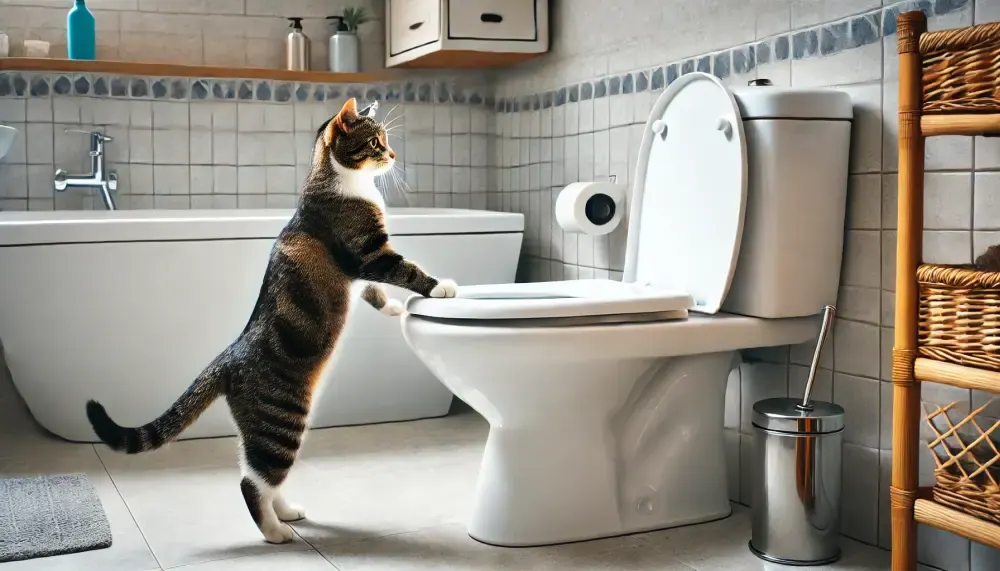
Teaching Your Cat to Flush the Toilet
Training a cat to flush the toilet is an advanced step and can be a fun trick to teach your feline friend. However, it’s important to approach this with caution, as some cats might become too interested in flushing, leading to water waste. Here’s how you can add flushing to your cat’s toilet training routine.
Step 1: Introduce the Flush Handle
Once your cat is fully comfortable with using the toilet, you can start introducing them to the flush handle. Begin by showing the handle to your cat and demonstrating how it works. Cats are naturally curious, so they may want to inspect it on their own. Encourage this curiosity by gently moving their paw toward the handle while you flush the toilet, making sure to offer praise and a treat afterward.
Step 2: Use Positive Reinforcement
Just like with the initial toilet training, positive reinforcement is key. Every time your cat interacts with the flush handle, whether they touch it or show interest, reward them with a treat and praise. This helps your cat associate the act of flushing with a positive experience.
Step 3: Encourage Paw Interaction
Next, guide your cat to press down on the flush handle with their paw. You might need to assist them at first by placing their paw on the handle and gently applying pressure to initiate the flush. With repetition, your cat will start to understand that pressing the handle leads to the sound and movement of water.
Step 4: Practice Regularly
Consistency is essential when teaching your cat to flush the toilet. Practice this new skill daily, ideally right after your cat uses the toilet. Over time, your cat may start to initiate the flush on their own, especially if they find the sound or action interesting.
Step 5: Monitor Their Behavior
While it’s impressive to teach your cat to flush, some cats might become a bit too enthusiastic about it. Monitor their behavior to ensure they don’t start flushing the toilet excessively, which can waste water. If this becomes an issue, it’s a good idea to disable the toilet handle when it’s not in use or limit your cat’s access to the bathroom.
Is Flushing the Toilet Right for Your Cat?
Not all cats will be interested in or capable of learning to flush the toilet. This trick requires a cat that is curious, patient, and enjoys interacting with objects. Additionally, be mindful that some cats might be startled by the noise or motion of flushing, making this trick less suitable for them.
Teaching a cat to flush the toilet can be a fun and rewarding experience, but it’s essential to weigh the pros and cons. If your cat enjoys the challenge and you’re careful about conserving water, it can be a great addition to their repertoire of tricks. However, if your cat shows signs of stress or excessive interest in flushing, it’s best to stick with basic toilet training.
Training your cat to use the toilet is a rewarding yet challenging endeavor that requires patience, consistency, and a bit of creativity. If you decide to take on the challenge, be prepared for a process that can take several weeks to months. However, the payoff—a litter-free home and a well-trained cat—can be well worth the effort.
By following the steps outlined in this guide and remaining attentive to your cat’s needs, you can successfully train your feline friend to use the toilet. Whether you’re motivated by convenience, hygiene, or simply the novelty of the idea, toilet training your cat is an achievable goal with the right approach.