How to Lower Calcium Levels in Dogs Naturally
For a related health topic, see Sebaceous Adenomas in Dogs: What You Need to Know. That article is also not a substitute for a veterinary exam.
For general pet-health questions, the AVMA pet-owner resources are a reliable starting point, and your veterinarian should guide individual decisions.
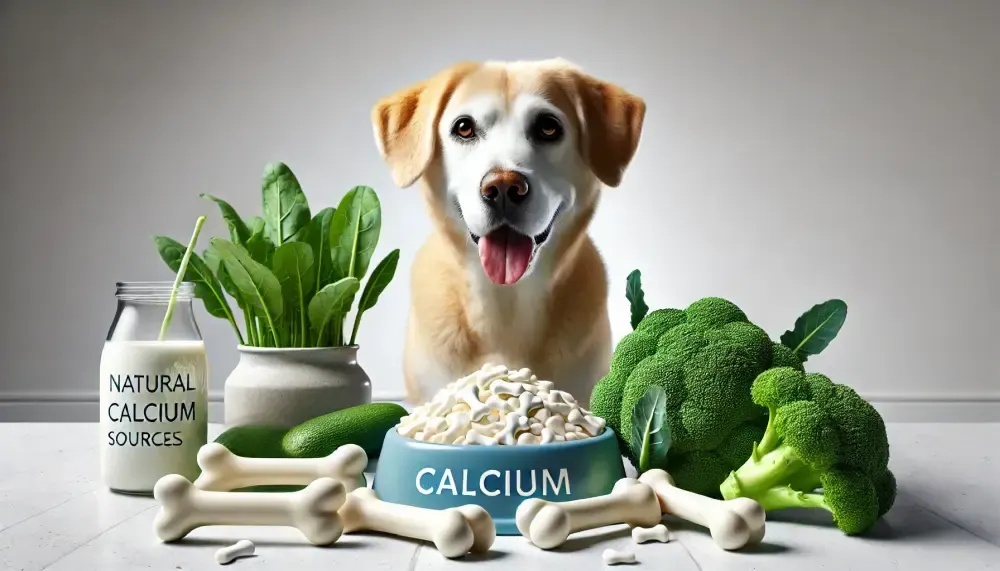
High calcium levels, or hypercalcemia, in dogs can lead to various health issues, including kidney stones, digestive problems, and even heart complications. While some cases may require veterinary intervention, there are natural ways to manage and reduce calcium levels in your dog. This article outlines dietary changes, supplements, and other holistic methods to help balance calcium levels effectively.
Understanding Hypercalcemia in Dogs
Before diving into natural remedies, it’s essential to understand what hypercalcemia is and why it occurs. Hypercalcemia happens when there’s an excessive amount of calcium in the blood. Common causes can include:
- Certain types of cancer (lymphoma or parathyroid tumors)
- Kidney disease
- Over-supplementation of calcium
- Dietary imbalances
- Hormonal disorders
When calcium levels rise too high, it places stress on the kidneys, leading to a host of health problems. Early signs of hypercalcemia may include lethargy, excessive thirst, frequent urination, and loss of appetite. If your dog shows any of these symptoms, consulting a vet is essential.
Natural Dietary Adjustments to Lower Calcium
One of the most effective ways to manage calcium levels in your dog is through a balanced, calcium-lowering diet. Here are some natural food options to consider:
1. Lower Calcium-Containing Foods
Reducing high-calcium foods in your dog’s diet is the first step. Common calcium-rich ingredients like bone meal, dairy products, and certain leafy greens should be limited. Instead, focus on:
- Lean meats: Chicken, turkey, and lean cuts of beef provide essential proteins without high calcium levels.
- Vegetables: Sweet potatoes, peas, and carrots are great sources of fiber and essential nutrients without contributing excess calcium.
- Whole grains: Brown rice and quinoa help create a balanced meal for your dog.
2. Increase Fiber-Rich Foods
Adding more fiber to your dog’s diet can help reduce calcium absorption. Fiber binds to calcium in the digestive tract, preventing it from being absorbed into the bloodstream. Consider adding:
- Pumpkin: Not only is it low in calcium, but it also helps with digestion.
- Green beans: Rich in fiber and low in calcium, they are a perfect addition to your dog’s meal.
- Broccoli: Although it contains calcium, the fiber content can help manage absorption.
3. Hydration is Key
Hydration plays a crucial role in flushing excess calcium from your dog’s body. Ensure your dog has access to fresh water at all times. If necessary, introduce moisture-rich foods like cucumbers or watermelon to encourage hydration.
Herbal and Natural Supplements
In addition to a balanced diet, certain natural supplements can help lower calcium levels:
1. Dandelion Root
Dandelion root is known for its diuretic properties, helping the body eliminate excess minerals through urine. By stimulating the kidneys, it can assist in reducing calcium levels.
2. Burdock Root
Burdock root is a detoxifying herb that supports liver and kidney function. It helps cleanse the bloodstream of excess toxins, including calcium, making it a great natural remedy for hypercalcemia.
3. Omega-3 Fatty Acids
Omega-3 fatty acids found in fish oil not only promote overall health but can also help balance calcium levels. They support kidney health and reduce inflammation, making them beneficial for dogs prone to calcium imbalances.
Exercise and Activity
Physical activity encourages the natural regulation of minerals in your dog’s body. Regular walks, playtime, and moderate exercise stimulate your dog’s metabolism, supporting healthy calcium levels. However, avoid overly strenuous activities that may stress a dog already dealing with health issues.
Monitor Calcium and Vitamin D Intake
While calcium is essential for your dog’s bone health, too much can be harmful. Similarly, excessive Vitamin D intake can lead to elevated calcium levels. Work with your vet to ensure that your dog’s calcium and Vitamin D intake are well-regulated through food or supplements.
Regular Vet Checkups
Although natural remedies and diet can help manage calcium levels, it’s important to regularly monitor your dog’s condition through vet checkups. Blood tests can help track calcium levels and ensure that your efforts are having a positive effect. If your dog’s calcium levels remain high despite natural methods, your vet may recommend further treatments.
Managing high calcium levels in dogs naturally is possible with the right combination of dietary adjustments, herbal supplements, and lifestyle changes. Always consult your vet when introducing new foods or supplements, and monitor your dog’s condition closely. With the right approach, you can help your dog maintain healthy calcium levels and avoid complications related to hypercalcemia. By focusing on a natural, balanced diet and holistic remedies, you can keep your dog happy and healthy, while addressing any concerns related to high calcium levels.


