Can Dogs Eat Broccoli?
If you are unsure whether a food is safe, the ASPCA’s list of people foods to avoid feeding pets is a reliable starting point, and a veterinarian or poison-control professional should be called if a pet already ate something questionable.
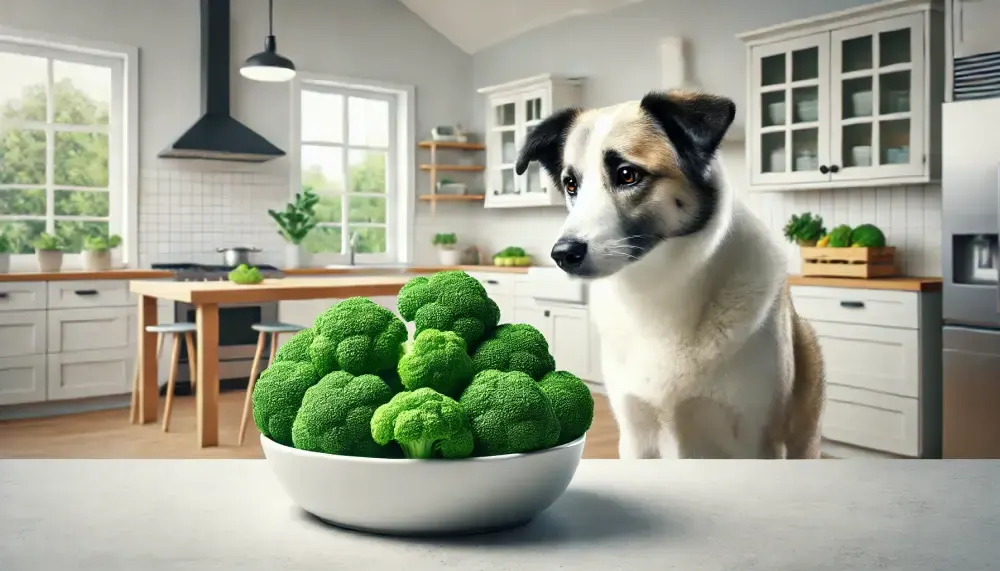
Broccoli is often hailed as a superfood for humans due to its impressive nutrient profile. But is it safe for dogs to eat broccoli, and if so, how much can they consume? As pet owners, we always want to ensure that what we feed our furry friends is healthy and safe. Let’s dive into the details to see if broccoli can be part of your dog’s diet.
Nutritional Benefits of Broccoli for Dogs
Broccoli is packed with nutrients that can offer health benefits not only for humans but for dogs as well. Some of the key nutrients include:
- Vitamins: Broccoli is rich in vitamins C, K, and A. Vitamin C acts as an antioxidant, helping protect cells from damage. Vitamin K is essential for blood clotting and bone health, while vitamin A supports vision, immune function, and cell growth.
- Fiber: Dogs can benefit from the high fiber content in broccoli, which supports healthy digestion and can help regulate bowel movements.
- Minerals: Broccoli contains essential minerals like potassium, magnesium, and calcium, all of which are important for maintaining strong bones, muscle function, and overall health.
- Antioxidants: The antioxidants in broccoli help combat free radicals in a dog’s body, which can reduce inflammation and improve immune function.
Is Broccoli Safe for Dogs?
The short answer is yes, dogs can eat broccoli, but there are important caveats to consider. Broccoli is generally safe for dogs in small amounts, but it should only be served as a treat or supplement to their regular diet, not as a primary food source. While the nutrients in broccoli are beneficial, consuming too much can lead to issues.
Potential Risks of Feeding Broccoli to Dogs
Though broccoli is nutritious, there are a few potential risks to be aware of when feeding it to your dog:
- Isothiocyanates: Broccoli contains compounds called isothiocyanates, which can cause gastric irritation in some dogs. While small amounts of isothiocyanates are harmless, large quantities can result in stomach upset, gas, or even more serious digestive issues like diarrhea.
- Choking Hazard: Broccoli florets can pose a choking hazard, especially for smaller dogs. To reduce the risk, make sure to cut the broccoli into small, bite-sized pieces and cook it to soften it if necessary.
- Digestive Issues: Some dogs may have difficulty digesting broccoli, leading to gas or bloating. It’s best to introduce broccoli slowly and observe how your dog’s body reacts to it.
How to Feed Broccoli to Your Dog
If you decide to share some broccoli with your dog, follow these tips to ensure it’s a healthy and safe treat:
- Moderation is Key: Limit broccoli to less than 10% of your dog’s total daily food intake. This ensures your dog receives the benefits of the vegetable without overloading on isothiocyanates or fiber, which can upset their stomach.
- Serve It Plain: Avoid adding salt, butter, oils, or any seasoning to broccoli before giving it to your dog. Dogs don’t need these extras, and they can be harmful to their health, especially foods like onions or garlic that are toxic to dogs.
- Raw or Cooked? Dogs can eat both raw and cooked broccoli, but cooked broccoli is generally easier to digest. Steaming or boiling the broccoli lightly without seasoning will help retain its nutrients while softening it enough to avoid choking risks. Make sure to cool it down before serving.
- Chop It Up: Always chop the broccoli into smaller pieces, especially for small breeds, to avoid choking or digestive blockages. The stem of broccoli can be particularly tough, so it’s best to cut it into bite-sized pieces or skip it altogether.
- Monitor for Reactions: After introducing broccoli into your dog’s diet, watch for any signs of stomach discomfort or allergic reactions. If your dog experiences vomiting, diarrhea, or any other adverse reactions, stop feeding broccoli immediately and consult your vet.
How Much Broccoli Can a Dog Eat?
The appropriate amount of broccoli depends on your dog’s size, weight, and individual tolerance. As a general rule of thumb, broccoli should only be an occasional treat and make up no more than 10% of your dog’s daily caloric intake. Here are some guidelines:
- Small Dogs (10-20 lbs / 4.5-9 kg): One or two small broccoli florets occasionally as a treat.
- Medium Dogs (20-50 lbs / 9-23 kg): A few broccoli florets, or about a tablespoon of chopped, cooked broccoli mixed into their regular food.
- Large Dogs (50+ lbs / 23+ kg): Up to ½ cup of chopped, cooked broccoli spread throughout the week as a supplement to their diet.
Remember, every dog is different, and it’s important to adjust the portion size based on their individual needs and how well they tolerate the food.
When to Avoid Feeding Broccoli
While most dogs can enjoy broccoli in moderation, there are certain cases where it’s best to avoid feeding it altogether:
- Pre-existing Digestive Issues: If your dog has a sensitive stomach or has had digestive problems in the past, it’s better to avoid foods like broccoli that can cause gas or bloating.
- Underlying Health Conditions: Some dogs with specific health conditions, such as kidney disease, may need a restricted diet that limits certain foods. Always check with your vet before introducing any new foods to your dog’s diet if they have a medical condition.
Other Vegetables Safe for Dogs
If you’re looking to add more variety to your dog’s diet, here are some other vegetables that are safe and healthy for dogs:
- Carrots: Rich in beta-carotene and great for eye health.
- Green Beans: Low in calories and high in fiber.
- Sweet Potatoes: A good source of vitamins and dietary fiber.
- Cucumbers: Hydrating and low in calories, ideal for overweight dogs.
- Pumpkin: Excellent for digestive health due to its fiber content.
Broccoli can be a healthy and nutritious treat for dogs when served in moderation and prepared correctly. It’s packed with vitamins, minerals, and antioxidants that can benefit your dog’s overall health. However, always introduce new foods slowly and observe your dog for any signs of digestive upset. By serving broccoli responsibly, you can give your furry friend a tasty and beneficial snack they’ll love.


