How to Keep Cats Off Furniture
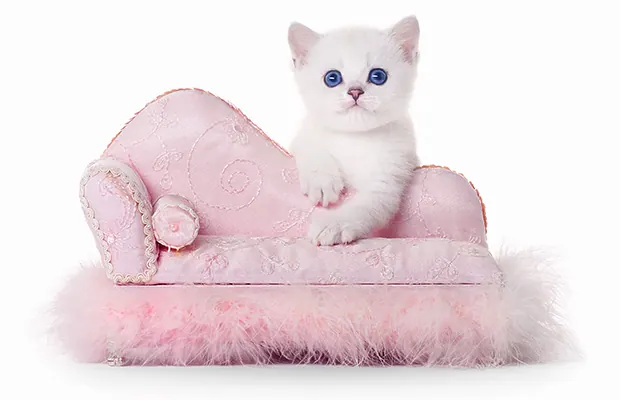
Cats are known for their curiosity and agility, traits that often lead them to explore every nook and cranny of their environment, including your furniture. While it’s part of their charm, it can also lead to wear and tear on your belongings, not to mention the challenge of keeping your spaces clean and allergen-free. Whether you’re trying to protect a new sofa or simply wish to maintain a certain level of order in your home, there are effective and humane strategies to discourage your feline friend from treating your furniture like their personal playground.
As an Amazon Associate, we earn from qualifying purchases.
Understanding Cat Behavior
Before diving into deterrents, it’s crucial to understand why cats are drawn to certain areas, including high perches like shelves and the backs of couches. These behaviors are often rooted in a cat’s natural instincts. High vantage points offer security and a good view to survey their territory, while the textures of furniture can be appealing for scratching, which helps cats mark their territory, stretch their muscles, and maintain their claw health.
Provide Alternatives
One of the most effective strategies is to provide attractive alternatives that fulfill your cat’s natural instincts:
- Scratching Posts and Pads: Offer various types of scratching posts and pads throughout your home. These should vary in material (carpet, sisal, cardboard) and orientation (vertical, horizontal, angled) to cater to your cat’s preferences.
- Cat Trees and Shelves: Invest in cat trees and wall shelves designed for climbing, allowing your cat to safely explore heights and oversee their domain without resorting to your furniture.
See top-rated Cat Scratching Posts on Amazon
For general feline health context, the Merck Veterinary Manual cat-owner pages are a reliable starting point, and your veterinarian should guide individual decisions.
Use Deterrents
When used correctly, deterrents can discourage cats from furniture without causing them stress or harm:
- Double-Sided Tape: Cats dislike the sticky feeling on their paws. Applying double-sided tape to the edges of your furniture can be an effective temporary measure.
- Furniture Covers: Specialized covers not only protect your furniture from fur and scratches but can also offer textures that are less appealing to cats.
- Citrus Scents: Many cats dislike the smell of citrus. Placing citrus-scented items or safe, cat-specific deterrent sprays on furniture can keep them at bay.
Training and Positive Reinforcement
Training your cat with positive reinforcement can yield excellent results:
- Immediate Redirect: If you catch your cat on the furniture, gently lift them down and redirect them to an appropriate alternative, like a scratching post or cat bed.
- Rewards: Reward your cat with treats, affection, or playtime when they use their cat tree, bed, or scratching post instead of the furniture.
Make Furniture Less Appealing
Making your furniture less appealing can also deter your cat:
- Adjust Textures: Temporarily cover furniture with materials that cats find unappealing, like aluminum foil or plastic sheeting.
- Reduce Accessibility: Block access to furniture when you’re not around to supervise, especially in areas that your cat is particularly drawn to.
Provide Plenty of Engagement
Boredom and lack of stimulation can lead to unwanted behaviors, including using your furniture as a playground. Ensure your cat has plenty of engagement:
- Interactive Toys: Provide a variety of toys that encourage hunting, pouncing, and problem-solving skills.
- Regular Playtime: Dedicate time each day to play with your cat, using wand toys, laser pointers, or their favorite toys to stimulate their mind and body.

Consistency is Key
Consistency in your approach is crucial. Cats learn through repetition, so consistently redirecting them to appropriate alternatives and rewarding desired behaviors will help reinforce good habits.
When to Seek Professional Help
If your cat’s behavior persists despite your best efforts, consider consulting with a veterinarian or a certified animal behaviorist. They can offer tailored advice and identify any underlying issues that might be contributing to the behavior.
Keeping cats off furniture requires a multifaceted approach that respects their natural instincts while gently guiding their behavior. By offering appealing alternatives, using deterrents wisely, and engaging in consistent training and positive reinforcement, you can maintain a harmonious home that caters to both your needs and those of your feline friend. Remember, patience and understanding go a long way in fostering a loving and respectful relationship with your pet.
Implementing these strategies not only helps protect your furniture but also enriches your cat’s environment, making for a happier, healthier pet. The key is to balance your home’s needs with those of your cat, ensuring a peaceful coexistence for all.