How Do Cats Communicate? Scent, Body Language, and Sound
Cats communicate with each other mainly through scent, body language, and, at closer range, quiet sounds. The slow blink, a raised tail, flattened ears, and a twitching tail are more reliable than assuming every meow is meant for another cat. Meowing is used far more with people than between adult cats. A sudden change in how a cat greets housemates can be stress or pain, not “a personality change,” and is worth a veterinary check if it comes with hiding, aggression, or litter-box lapses.
For general feline health context, the Merck Veterinary Manual cat-owner pages are a reliable starting point, and your veterinarian should guide individual decisions.
Play and a predictable routine can lower tension in a multi-cat home. A session with best cat toys and regular meals, including best canned cat food if that suits your cats, will not fix a medical problem, but they can make the household calmer.
Cats are often viewed as solitary and independent creatures, but their social interactions and communication methods are complex and nuanced. Understanding how cats communicate with each other not only deepens our appreciation for these fascinating animals but also enhances our ability to care for them. This article explores the multifaceted ways in which cats interact, including vocal, visual, and olfactory (scent) signals, providing insights into the sophisticated language of felines.
Vocal Communication
Cats use a wide range of vocalizations to express themselves and communicate with other cats. These sounds vary in pitch, intensity, and duration, and can convey different messages depending on the context.
- Meowing: Although adult cats typically reserve meowing for communicating with humans, kittens meow to get attention from their mothers. This behavior demonstrates the adaptability of cats in using vocalizations to communicate with different species.
- Purring: Often associated with contentment, purring can also be a sign of pain or distress. When directed at other cats, it is usually a signal of friendliness or appeasement.
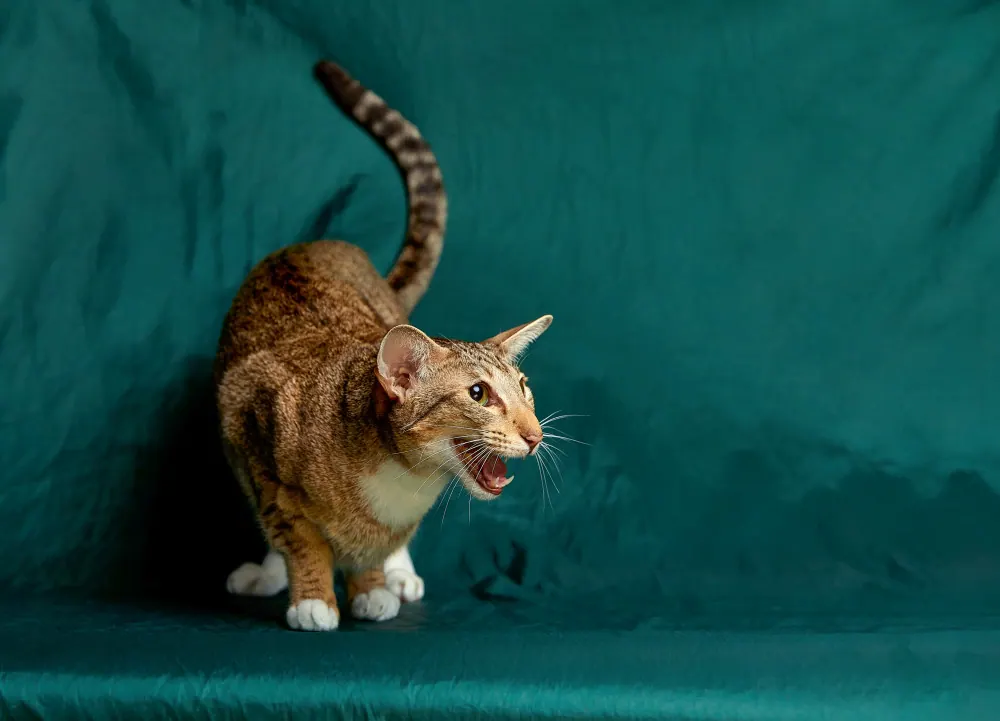
- Hissing and Growling: These sounds are clear warnings. Cats hiss and growl to express fear, anger, or discomfort, often in a defensive posture to avoid physical confrontations.
- Chattering: This peculiar sound, often made when a cat is observing birds or other prey animals, may express frustration or excitement. It’s speculated that chattering could also mimic the killing bite, showcasing the cat’s hunting instincts.
Visual Communication
Cats rely heavily on body language to convey their emotions and intentions to other cats. Their posture, facial expressions, and tail movements are integral components of their visual communication.
- Tail Position: A cat’s tail is a powerful indicator of its mood. A straight-up tail suggests confidence and friendliness, while a puffed-up tail indicates fear or aggression. A slowly wagging tail can express irritation, whereas a twitching tail tip might signal excitement or predatory interest.
- Ears and Whiskers: Forward-facing ears and whiskers indicate curiosity or playfulness, while flattened ears show fear, aggression, or irritation. The positioning of the whiskers, along with ear orientation, can provide subtle cues about a cat’s mood.
- Eye Contact: Direct eye contact is generally perceived as a threat or challenge in the feline world. Slow blinking, on the other hand, is a sign of trust and affection, often referred to as a “cat kiss.”
- Body Posture: A cat making itself look larger (arching its back and standing sideways) is trying to intimidate a perceived threat. Conversely, a cat that makes itself small or rolls over to expose its belly is showing submission or trust.
Olfactory Communication
Scent plays a crucial role in how cats communicate with each other. Cats have highly developed olfactory senses and use scent marking to convey information about their territory, reproductive status, and more.
- Scent Marking: Cats have scent glands on various parts of their bodies, including their cheeks, paws, and base of their tail. By rubbing against objects (or other cats), scratching, or spraying urine, they leave behind pheromones that convey messages to other cats.
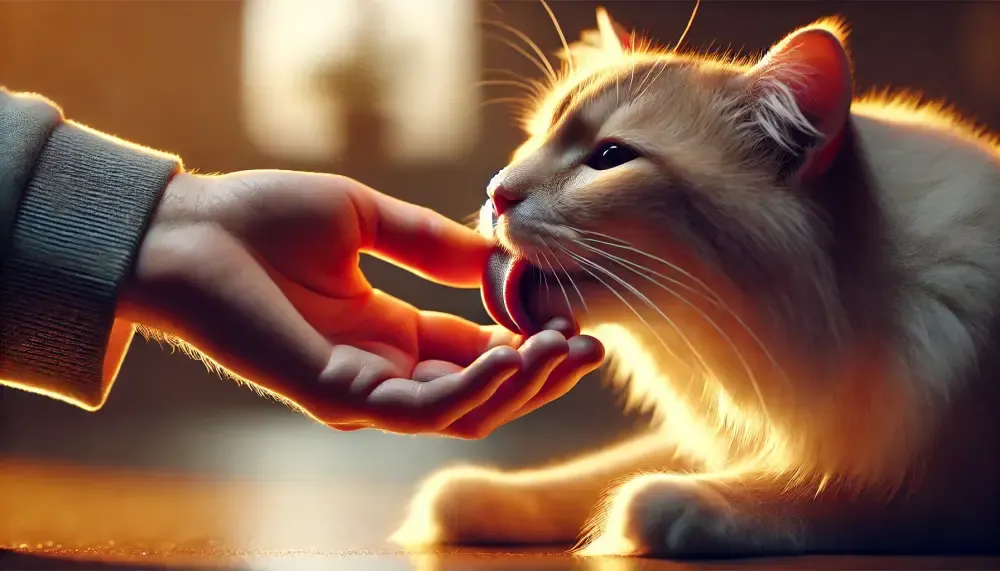
- Flehmen Response: Cats often exhibit the Flehmen response, where they open their mouth and curl back their upper lip after smelling something. This behavior allows them to better analyze the scent through the Jacobson’s organ, providing detailed information about the source of the smell.
The communication methods of cats are complex and multifaceted, involving a combination of vocal, visual, and olfactory signals. By understanding these various forms of communication, cat owners and enthusiasts can better interpret the needs and behaviors of these enigmatic creatures. Recognizing the subtleties of cat communication enhances the bond between cats and humans and can significantly improve the welfare of these beloved pets. Whether through a gentle purr, a flick of the tail, or the marking of territory, cats have their unique way of expressing themselves and navigating their social world.