Hot Spots on Dogs: Causes, Treatment, and Prevention
We earn from qualifying Amazon purchases. It doesn't change what we recommend.
For a related food question, see Foods That Firm Up Dog Stools.
For general pet-health questions, the AVMA pet-owner resources are a reliable starting point, and your veterinarian should guide individual decisions.
Hot spots, also known as acute moist dermatitis or pyotraumatic dermatitis, are a common yet painful skin condition that affects many dogs. These irritated, red patches of skin can cause a great deal of discomfort, often leading dogs to scratch, lick, or bite the affected area incessantly. Understanding the causes, recognizing the symptoms, and implementing effective treatment and prevention methods can help keep your dog’s skin healthy and free of hot spots.
What Are Hot Spots?
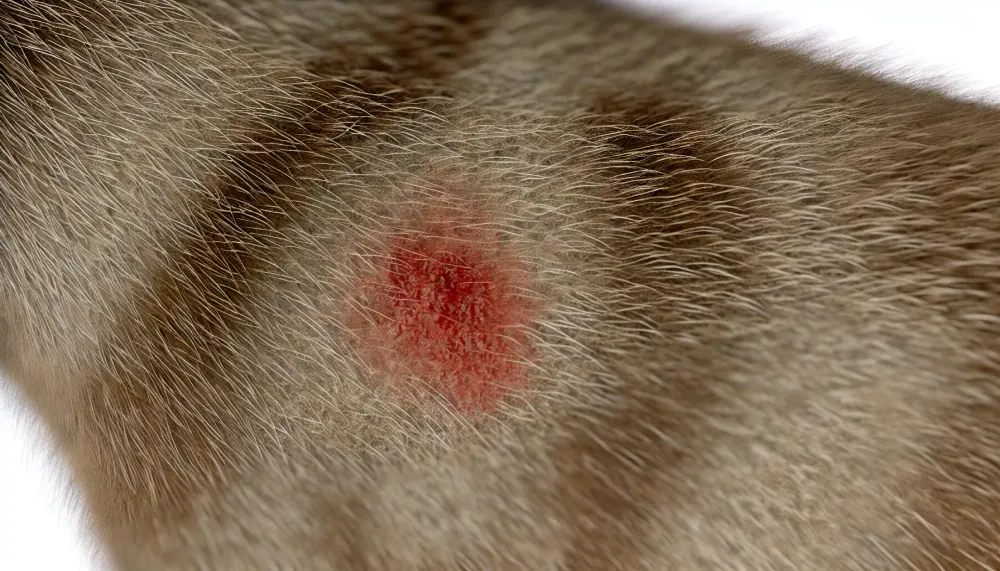
Hot spots are areas of inflamed, infected skin that often appear suddenly and worsen rapidly. They start as small red patches and, without prompt treatment, can develop into larger sores that ooze pus and become crusted over. Hot spots are typically painful, itchy, and often surrounded by hair loss due to excessive licking and scratching. Dogs with thick or long coats are more prone to developing hot spots, especially in warm, humid weather when moisture can get trapped against the skin.
Causes of Hot Spots in Dogs
Understanding the root causes of hot spots is crucial in preventing them from recurring. Some of the main reasons dogs develop hot spots include:
1. Allergic Reactions
- Dogs can develop allergies to food, environmental factors (like pollen or dust mites), or flea bites. Allergies often cause itching and inflammation, leading dogs to excessively lick or scratch, creating a hot spot.
2. Insect Bites and Parasites
- Fleas, ticks, and other parasites can irritate your dog’s skin. In particular, flea bites can trigger an allergic reaction, causing intense itching that can lead to hot spots.
3. Poor Grooming and Matted Fur
- Dogs with thick or long coats may be more prone to developing hot spots if their fur becomes matted. Mats trap moisture against the skin, creating an environment that fosters bacterial growth, ultimately resulting in a hot spot.
4. Skin Infections and Minor Wounds
- Cuts, scrapes, and underlying skin infections can turn into hot spots, especially if the dog licks or bites the area repeatedly. This introduces bacteria into the wound, worsening the infection.
5. Anxiety or Boredom
- Dogs sometimes lick or chew their skin due to stress, boredom, or anxiety. This excessive grooming can cause skin damage, leading to hot spots over time.
6. Environmental Factors
- Hot, humid weather is ideal for hot spots to form as moisture trapped against the skin allows bacteria to thrive. Dogs that swim frequently or are exposed to water may also have an increased risk if their fur doesn’t dry properly.
Recognizing the Symptoms of Hot Spots in Dogs
Spotting a hot spot early can help prevent it from worsening. Here are some common signs:
- Red, inflamed skin: The affected area is often swollen and red.
- Moist, oozing sores: Hot spots may secrete pus or a clear fluid.
- Hair loss around the lesion: The dog’s excessive licking and scratching can cause patches of hair to fall out.
- Foul odor: Infected hot spots can develop an unpleasant smell.
- Sensitivity to touch: Dogs with hot spots often react when the area is touched due to pain or itchiness.
If you notice these symptoms on your dog, taking action promptly can help alleviate their discomfort and prevent further complications.
How to Treat Hot Spots on Dogs
When it comes to treating hot spots, both at-home care and veterinary assistance may be necessary. Here’s a step-by-step guide:
Step 1: Trim the Fur Around the Hot Spot
- Use electric clippers to carefully trim the hair around the hot spot. This allows the area to breathe and helps prevent further spread of the infection. Avoid using scissors to minimize the risk of accidentally injuring your dog.
Step 2: Clean the Area Gently
- Using a mild antiseptic solution or saline rinse, gently clean the affected area to remove dirt and bacteria. Avoid using hydrogen peroxide, as it can irritate the skin further.
Step 3: Apply a Veterinary-Approved Topical Treatment
- Your veterinarian may recommend applying a topical ointment or spray to help relieve itching and combat bacterial infections. Over-the-counter options are available, but it’s best to consult with a vet to ensure safety and effectiveness.
Step 4: Prevent Licking and Scratching
- To protect the hot spot from further irritation, you may need to use an Elizabethan collar (or “cone”) to stop your dog from licking or biting the area. This measure helps to prevent re-infection and allows the skin to heal properly.
Step 5: Manage Pain and Inflammation
- In severe cases, your veterinarian may prescribe anti-inflammatory medication or antibiotics to help reduce pain and clear up the infection. This is particularly common for hot spots that have grown or appear to be deeply infected.
Step 6: Monitor the Healing Process
- Check the hot spot daily to monitor healing progress. If it worsens or doesn’t seem to be improving within a few days, a follow-up visit to the veterinarian is necessary.
Preventing Hot Spots in Dogs
Preventing hot spots is often possible with a few simple care practices. By keeping your dog’s skin and coat healthy, you can reduce the likelihood of hot spots developing. Here are some tips:
1. Regular Grooming
- Regular brushing and grooming help prevent matting and keep your dog’s skin ventilated. This is particularly important for dogs with thick, double coats or long fur.
2. Use Flea and Tick Prevention
- Use flea and tick preventatives consistently to keep parasites at bay, as they are a common cause of skin irritation.
3. Monitor for Allergies
- If your dog is prone to allergies, identify potential triggers and minimize exposure where possible. Your veterinarian can recommend hypoallergenic food or medications to help manage allergy symptoms.
4. Keep Your Dog Clean and Dry
- After swimming or getting wet, ensure your dog’s coat dries thoroughly to avoid creating a breeding ground for bacteria.
5. Provide Mental Stimulation and Exercise
- Dogs that are prone to anxiety or boredom may lick and chew out of frustration. Providing toys, exercise, and mental stimulation can help reduce these behaviors and promote a happier, healthier dog.
6. Check Regularly for Skin Issues
- Conduct regular skin checks, especially during warmer months or if your dog has been in an environment conducive to bacterial growth. Early detection can prevent small issues from becoming serious hot spots.
When to See a Veterinarian
In some cases, hot spots may require professional intervention. If your dog’s hot spot doesn’t improve with at-home treatment, or if it appears very painful and infected, consult a veterinarian. They can perform a thorough examination, prescribe necessary medications, and provide guidance on long-term prevention strategies.
Hot spots on dogs can be distressing for both pets and owners, but with proper care and preventative measures, they can often be managed effectively. By recognizing the symptoms early, following the appropriate treatment steps, and maintaining a regular grooming and health routine, you can help your dog avoid the discomfort of hot spots and enjoy a happier, itch-free life.
If you’d like to use any special products or treatments to prevent hot spots on your dog, consult your veterinarian for advice. They can guide you on the best practices for your dog’s specific needs and recommend safe and effective solutions.