Cats and Dogs – Can’t They All Just Get Along?

Related reading: What Is Considered a Large Dog? Typical Weight Ranges and Why They Matter.
For general pet-health questions, the AVMA pet-owner resources are a reliable starting point, and your veterinarian should guide individual decisions.
The age-old rivalry between cats and dogs is a well-known trope, but it doesn’t have to be the reality in your home. Many households successfully manage to foster peaceful coexistence between these two beloved pets. With patience, understanding, and the right strategies, you can create a harmonious environment where both cats and dogs thrive. This article delves into the dynamics of cat and dog relationships and provides practical tips for achieving a peaceful multi-pet household.
Cats & Dogs - Understanding Behavioral Differences
Cats and dogs have fundamentally different behaviors and ways of interacting with the world. Understanding these differences is crucial for fostering harmony between them.
- Territorial Nature: Cats are territorial animals and can be sensitive to changes in their environment. They need their own space and may react defensively if they feel threatened. Dogs, on the other hand, are often more social and curious, which can be overwhelming for a cat.
- Communication Styles: Dogs are generally more expressive with their body language and vocalizations. They may bark, wag their tails, or show excitement through movement. Cats communicate more subtly through body language, such as the position of their ears, tail, and whiskers. Misinterpretations between these different communication styles can lead to conflicts.
- Play Behavior: Dogs often play rough and tumble, which can be intimidating for cats who prefer a more subdued play style. Understanding and respecting these differences can help prevent misunderstandings and stress.
Preparing for Introductions
Introducing a cat and a dog to each other requires careful planning and patience. Here are some steps to ensure a smooth introduction:
- Separate Spaces: Initially, keep the cat and dog in separate spaces to allow them to become accustomed to each other’s scent without direct contact. This can be done by swapping bedding or using a baby gate to separate their living areas.
- Gradual Introduction: Allow the cat and dog to see each other through a barrier, such as a glass door or a baby gate. This visual introduction helps them get used to each other’s presence without the risk of physical confrontation.
- Controlled Meetings: When it’s time for a face-to-face meeting, keep the dog on a leash and allow the cat to approach at its own pace. Reward both pets with treats and praise for calm behavior.
- Supervised Interactions: Gradually increase the amount of time they spend together, always under supervision. Watch for signs of stress or aggression and be ready to intervene if necessary.
Creating a Peaceful Environment
A peaceful multi-pet household requires an environment that caters to the needs of both cats and dogs.
- Safe Spaces: Ensure that your cat has access to high perches or enclosed spaces where it can retreat and feel safe. This could be a cat tree, a shelf, or a designated room.
- Separate Resources: Provide separate feeding areas, water bowls, and litter boxes to prevent competition and territorial disputes. This helps reduce stress and allows each pet to eat and drink in peace.
- Regular Exercise: Both cats and dogs need regular exercise and mental stimulation. Engage your dog in daily walks, play fetch, and provide interactive toys. For your cat, provide scratching posts, puzzle feeders, and interactive play sessions.
- Consistent Routine: Maintain a consistent routine for feeding, playtime, and bedtime. Predictability helps reduce anxiety and makes pets feel secure in their environment.
Training and Positive Reinforcement
Training plays a vital role in ensuring a harmonious relationship between your cat and dog. Here are some training tips:
- Basic Commands: Train your dog in basic commands such as sit, stay, and leave it. This allows you to manage their behavior during interactions with the cat.
- Desensitization: Gradually expose your dog to the cat in a controlled manner, rewarding calm behavior. This process, known as desensitization, helps the dog learn to remain relaxed in the cat’s presence.
- Positive Reinforcement: Use positive reinforcement to reward both pets for calm and friendly behavior. Treats, praise, and affection can reinforce good interactions and help build positive associations.
- Avoid Punishment: Avoid using punishment or negative reinforcement, as this can increase stress and aggression. Focus on rewarding desired behaviors and redirecting unwanted behaviors.
Recognizing and Addressing Issues
Even with the best efforts, conflicts may arise. It’s important to recognize signs of stress or aggression and address them promptly.
- Signs of Stress: Watch for signs of stress in both pets, such as excessive grooming, hiding, loss of appetite, or changes in behavior. Addressing stress early can prevent escalation.
- Aggression: If aggression occurs, separate the pets and give them time to calm down. Identify triggers and work on desensitizing them to those triggers with positive reinforcement.
- Professional Help: If conflicts persist, consider seeking help from a professional animal behaviorist or trainer. They can provide personalized strategies and support to improve the relationship between your cat and dog.
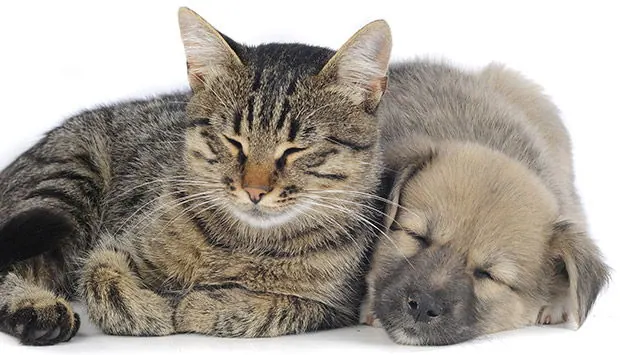
While the idea of cats and dogs living in harmony might seem challenging, it’s entirely possible with the right approach. By understanding their behaviors, carefully managing introductions, creating a peaceful environment, and using positive reinforcement, you can foster a loving and harmonious relationship between your pets. Remember, patience and consistency are key. With time and effort, your cat and dog can learn to coexist peacefully, bringing joy and companionship to your household.