Can Dogs Eat Sardines? Yes, Plain and in Moderation

Dogs can eat sardines in moderation when the fish is plain. The better choice is sardines packed in water, with no added salt, oil, or sauces, and no onion or garlic. They are rich and oily, so a little goes a long way; too many can upset the stomach or add more calories than you meant to feed. Bones in canned sardines are usually soft, but you should still choose a product and a portion that fit your dog’s size, and ask your veterinarian if your dog has pancreatitis, a prescribed diet, or a history of stomach trouble.
If you are unsure whether a food is safe, the ASPCA’s list of people foods to avoid feeding pets is a reliable starting point, and a veterinarian or poison-control professional should be called if a pet already ate something questionable.
Sardines and other animal foods are not the same as a raw organ-meat plan; see organ meat for dogs.
Sardines are an occasional extra or topper, not a complete diet. If you want something easier to measure day to day, see best dog food toppers or a complete best canned dog food. For the rest of the bowl, use a balanced food from a guide such as top dog food brands or wet vs dry dog food guide.
Dogs are known for their voracious appetites, and often their owners are curious about introducing new foods to their canine companions’ diets. One common question that arises is: can dogs eat sardines? The answer is a resounding yes, but as with any food outside of regular dog food, there are certain things to consider. Sardines can be a healthy addition to a dog’s diet, but they should be given in moderation and prepared appropriately.
How to Safely Serve Sardines to Dogs
While sardines offer numerous health benefits, it’s essential to serve them correctly to ensure your dog reaps the advantages without any risks.
- Choose Fresh or Canned Sardines in Water: Always opt for fresh sardines or canned sardines that are packed in water. Avoid sardines that are stored in oil, brine, or contain added salt, as these can lead to digestive issues or even pancreatitis in dogs. Additionally, make sure that there are no added spices, flavorings, or preservatives, as these can be harmful.
- Debone if Necessary: While sardines generally have small, soft bones that are safe for dogs to eat, it’s still a good practice to check for any sharp or large bones, especially if you’re dealing with larger sardine varieties.
- Portion Control: Even though sardines are healthy, moderation is key. Too much of a good thing can lead to an upset stomach or unnecessary weight gain. A small dog might benefit from half a sardine, while a larger dog could enjoy one or two. Sardines should be given as a treat or supplement to a balanced diet, not as a primary meal source.
- Frequency of Feeding: As a rule of thumb, sardines can be given once or twice a week as part of a well-rounded diet. This will provide enough of the essential fatty acids and nutrients without overwhelming your dog’s system.
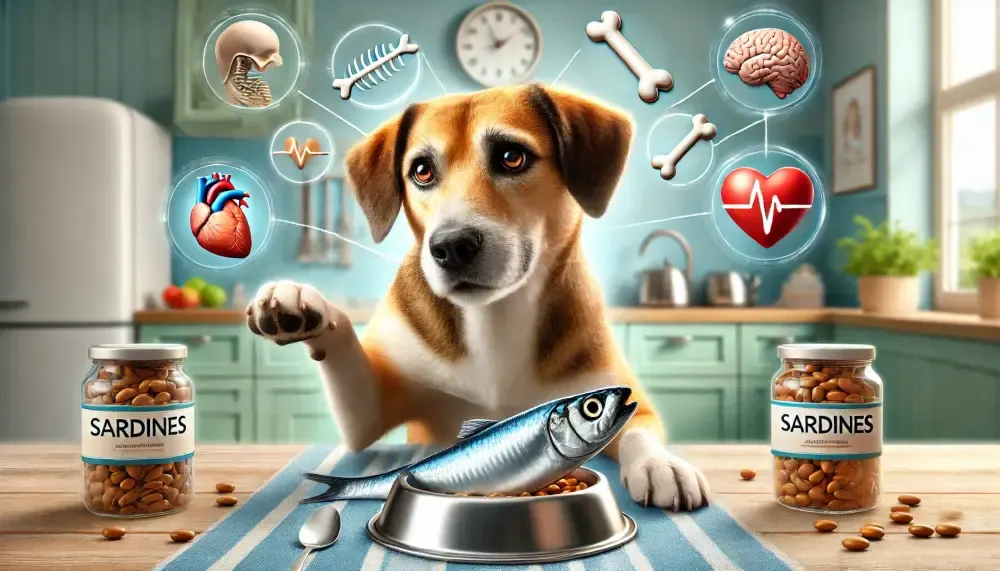
Can Dogs Eat Sardines with Bones?
Yes, dogs can safely eat sardines with bones. The bones in sardines are small, soft, and easily digestible, making them a safe option for your furry friend. In fact, these tiny bones are an excellent source of calcium and phosphorus, which are essential minerals for maintaining strong bones and teeth. However, if you’re feeding larger sardine varieties, it’s always a good idea to double-check for any sharp or hard bones to ensure your dog’s safety.
When serving sardines, especially if they are canned, make sure they are packed in water without added salt or seasonings. This way, your dog can enjoy all the nutritional benefits without any risks. If you have any concerns about the bones, you can always mash the sardines with a fork to make the bones even softer and easier for your dog to eat.
Potential Risks and Precautions
While sardines are a great addition to your dog’s diet, there are a few risks to be aware of:
- Mercury Levels: Like all fish, sardines contain trace amounts of mercury. However, sardines are considered to have some of the lowest mercury levels among fish, making them safer for regular consumption compared to larger fish like tuna. Still, it’s wise to avoid feeding sardines daily to reduce the risk of mercury buildup.
- Weight Gain: Due to their fat content, overfeeding sardines can lead to weight gain. If your dog is overweight or prone to gaining weight easily, be mindful of portion sizes and frequency.
- Allergies: Some dogs may have fish allergies. If you’re introducing sardines to your dog’s diet for the first time, do so gradually and observe for any adverse reactions such as itching, swelling, or digestive upset. If any symptoms occur, discontinue feeding sardines and consult your vet.
- Salt Content in Canned Sardines: While canned sardines can be a convenient option, be cautious of added salt. Too much sodium can lead to dehydration or more severe issues like sodium poisoning. Always read labels carefully to ensure you’re selecting a low-sodium or no-salt-added option.
When Should You Avoid Feeding Sardines?
There are certain situations when sardines should be avoided in your dog’s diet:
- Dogs with Pancreatitis: The high fat content in sardines can aggravate conditions like pancreatitis. If your dog has a history of this condition or other digestive disorders, it’s best to consult your vet before offering sardines.
- Dogs on a Strict Low-Fat Diet: For dogs that need to follow a low-fat diet due to health conditions like obesity, sardines may not be the best choice. In these cases, it’s important to weigh the benefits against the fat content.
How Many Sardines Can I Give My Dog?
The amount of sardines you can give your dog depends on their size, age, and overall health. As a general guideline:
- Small Dogs (up to 9 kg / 20 lbs): 1/4 to 1/2 of a sardine, once or twice a week.
- Medium Dogs (9-23 kg / 20-50 lbs): 1/2 to 1 sardine, once or twice a week.
- Large Dogs (23+ kg / 50+ lbs): 1 to 2 sardines, once or twice a week.
Remember, sardines should be considered a treat or supplement to their regular diet, not a main meal. If you have any concerns about portion sizes, consult with your veterinarian to determine the ideal amount for your specific dog.
A Treat Packed with Nutritional Goodness
So, can dogs eat sardines? Absolutely! Sardines are a highly nutritious and beneficial food for dogs when served in moderation and prepared properly. The Omega-3 fatty acids, high-quality protein, and essential vitamins and minerals found in sardines can enhance your dog’s health, supporting everything from a shiny coat to better brain function.
As always, it’s best to introduce new foods to your dog’s diet gradually and monitor for any signs of allergies or digestive discomfort. When in doubt, consult your veterinarian to ensure that sardines are a suitable treat for your dog.