What Vegetables Can Dogs Eat? Plain, Cooked Extras, Not a Meal
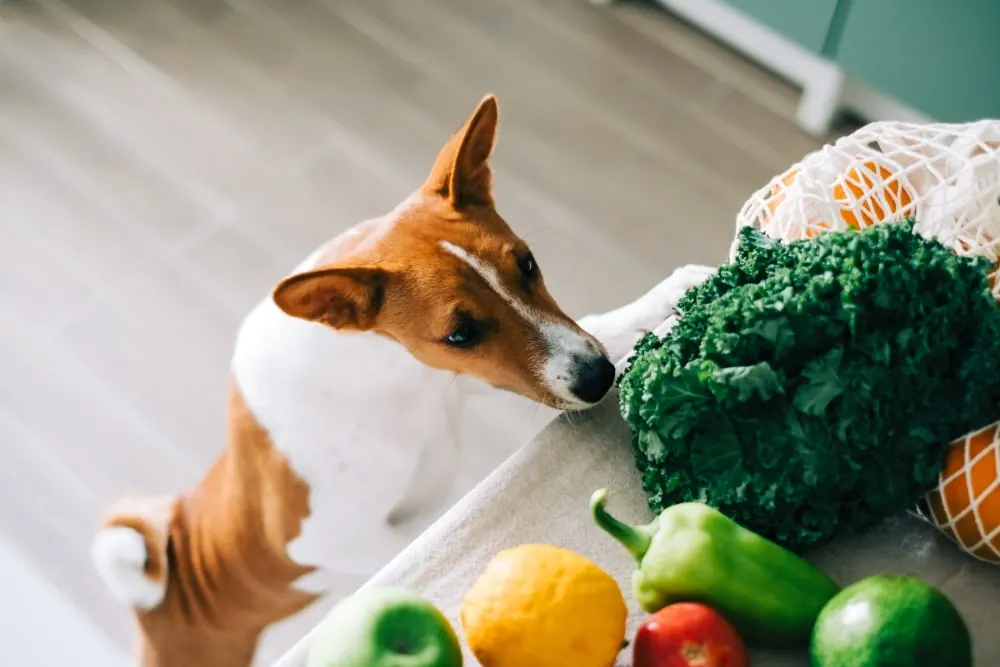
Some plain, cooked vegetables can be an occasional extra for dogs, but they are not a complete meal and they are not a vitamin shortcut. Serve them unseasoned, cut small, and in modest amounts. Never offer onion, garlic, chives, leeks, or any dish cooked with those ingredients. Skip raw, tough pieces that are easy to choke on, and skip butter, oil, salt, and dip. Wild mushrooms, unripe tomatoes, and raw or green potatoes are poor choices; when in doubt, leave the vegetable off the plate.
If you are unsure whether a food is safe, the ASPCA’s list of people foods to avoid feeding pets is a reliable starting point, and a veterinarian or poison-control professional should be called if a pet already ate something questionable.
Carrots are a common extra, including for French Bulldogs; see can Frenchies eat carrots.
If you are comparing this with other extras, we also have a guide on Can Dogs Eat Rice? Plain and Cooked, Not as a Complete Meal.
If you want vegetable-by-vegetable detail, we also have guides to a complete main diet and to specific extras such as cucumber, cauliflower, cabbage, and asparagus on this site. A measured best training treats is still the simpler everyday reward, and wet vs dry dog food guide or best dog food toppers should do the heavy lifting in the bowl.
Introducing vegetables into your dog’s diet can be a fantastic way to provide them with essential nutrients while diversifying their meals. Vegetables can offer vitamins, minerals, fiber, and hydration, all of which can contribute to a healthier life. However, it is essential to understand which vegetables are safe for dogs and how they should be prepared to avoid any health issues.
Safe Vegetables for Dogs
Here’s a detailed look at each vegetable that is safe for dogs, including their benefits and how to serve them.
Asparagus
Asparagus, a fibrous vegetable rich in vitamins A, B, C, and K, is a nutritious addition to a dog’s diet. It also provides folate and fiber, which can aid in healthy digestion. However, due to its tough texture, asparagus should be cooked to soften it, making it easier for dogs to chew and digest. It is important to serve asparagus plain, without any added oils, salts, or spices that could harm your dog.
Broccoli
Broccoli is not only safe for dogs, but it is also a powerhouse of nutrients, including fiber, vitamin C, and potassium. It has anti-inflammatory properties thanks to the presence of sulforaphane. Small amounts of steamed or boiled broccoli can be a great treat for your dog, but because it can cause gas and potentially irritate the gut if given in large quantities, moderation is key. Also, make sure the pieces are small enough to prevent choking.
Brussels Sprouts
Brussels sprouts are another excellent source of vitamins and minerals such as vitamins K and C, manganese, and fiber. These nutrients support many of your dog’s body functions, including a healthy immune system and digestion. However, their cruciferous nature means they can lead to an increase in gas, so introduce them gradually into your dog’s diet to gauge tolerance.
Carrots
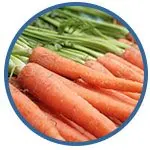
Carrots are fantastic for dogs in many ways. They are not only low in calories but also high in fiber and beta-carotene, which converts to vitamin A in the body and promotes good vision, immune health, and skin integrity. Raw carrots can also help maintain dental health by acting as a chew toy that scrubs away plaque. Carrots should be cut into manageable sticks or small chunks to prevent choking, especially for smaller dogs.
Cauliflower
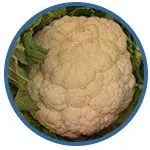
Cauliflower can be a low-calorie, nutritious snack for dogs, offering dietary fiber, vitamins K and C, and calcium, which can help in various bodily functions, including bone health, blood clotting, and immune system response. Like broccoli, cauliflower should be given in small amounts to prevent stomach upset. It should be cooked and mashed or cut into small, chewable pieces without any seasoning.
Cucumbers
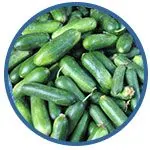
Cucumbers are particularly good for overweight dogs because they contain little to no carbohydrates, fats, or oils and are mostly made of water, making them a hydrating snack. They also contain phytochemicals that help freshen your dog’s breath. Since cucumbers are very crisp, they should be sliced into appropriate sizes to prevent any risk of choking.
Green Beans
Green beans are a healthy snack full of iron and vitamins, making them an excellent addition to your dog’s diet. They are low in calories but high in fiber, which can help manage your dog’s weight. Whether steamed, boiled, or served raw, make sure they are plain and free from any added oils or seasonings.
Peas
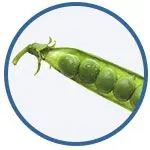
Peas are a good source of the B vitamins, including thiamine, which helps regulate energy and carbohydrate metabolism, as well as phosphorous and potassium, which are important for maintaining bone health and metabolic functions. It’s best to serve your dog fresh or frozen peas, as canned peas often contain added sodium that is not healthy for dogs.
Potatoes
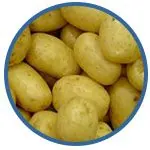
Potatoes should be cooked thoroughly (boiled or baked) and served plain. They are rich in vitamin C, vitamin B6, and iron. Potatoes also provide your dog with carbohydrates for energy but should be given in moderation due to their high starch content, which can lead to weight gain if overfed.
Sweet Potatoes

Sweet potatoes are a great source of dietary fiber, which aids in the digestive process, and are rich in vitamin B6 and beta-carotene. They need to be cooked well (boiled or baked) and served without any added butter or spices. Sweet potatoes are also known for supporting a healthy immune system and providing an energy boost.
Introducing Vegetables to Your Dog’s Diet
Introducing vegetables to your dog’s diet should be a gradual and careful process to ensure it is done safely and effectively. Start by selecting one vegetable at a time and incorporating a small amount into your dog’s regular food. It’s crucial to observe your dog’s reaction to the new food item, both in terms of taste preference and physical response. Begin with a tiny portion—perhaps a teaspoon for smaller dogs or a tablespoon for larger breeds—mixed into their usual meals.
Monitor your dog for any signs of gastrointestinal discomfort such as gas, bloating, or changes in stool consistency. If there are no adverse reactions after a few days, you can gradually increase the quantity. This slow introduction helps your dog’s digestive system adapt to the new food without causing upset.
It’s also helpful to cook the vegetables initially to break down fibers and make them easier for your dog to digest. As they get used to the vegetables, you can try offering them raw if appropriate for the specific vegetable. Always ensure that the vegetables are chopped into appropriate sizes to prevent choking hazards, particularly for smaller dogs.
Additionally, keep a close eye on the overall balance of your dog’s diet. Vegetables should not replace a substantial portion of their regular, protein-rich diet but rather complement it. If you’re unsure about quantities or which vegetables are best suited for your dog, consulting with a veterinarian or a pet nutritionist is always a good idea. This ensures that your dog’s dietary needs are fully met while integrating the beneficial properties of vegetables into their diet.
Summary
Incorporating vegetables into your dog’s diet can significantly contribute to their health by providing them with essential nutrients. It’s important to introduce new foods gradually and observe how your dog reacts to different vegetables. Always consult with your veterinarian before making significant changes to your dog’s diet, ensuring that the additions meet their specific nutritional needs. This cautious approach will help you safely integrate healthful veggies into your dog’s diet, enhancing their health and vitality.


