What Table Food Can Dogs Eat? A Few Plain Extras, Not the Whole Plate
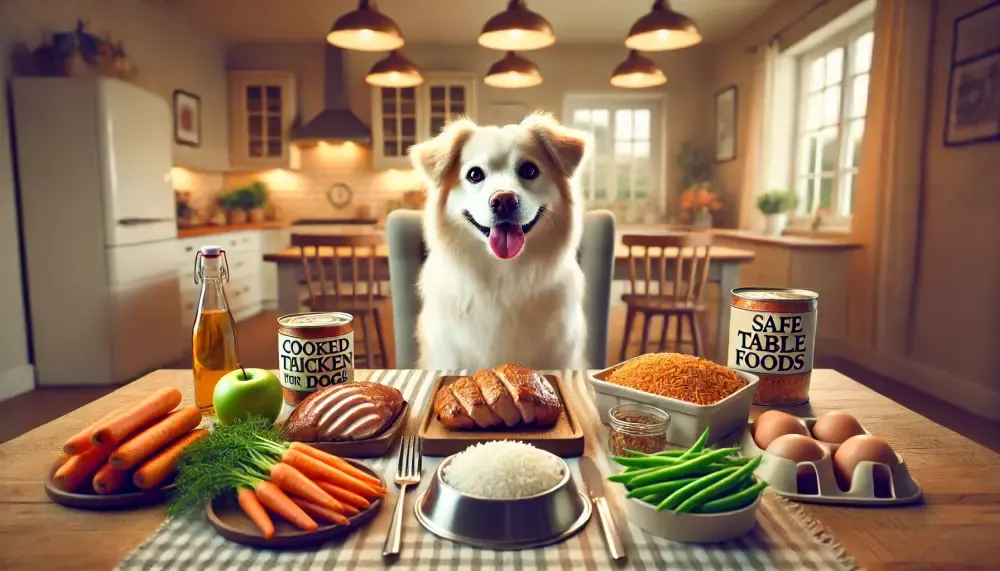
Some plain table foods can be an occasional extra for dogs, but the family plate is not a balanced diet. Safer extras are usually simple: a little plain cooked lean meat, pumpkin, carrot, green bean, apple flesh without seeds, or scrambled egg, in a small amount. Many common foods are unsafe, including onion, garlic, grapes, raisins, chocolate, xylitol, macadamia nuts, and cooked bones. Seasoning, sauces, and leftover mixtures are where people get into trouble. Table food should stay a small share of the day’s calories, not a second dinner.
If you are unsure whether a food is safe, the ASPCA’s list of people foods to avoid feeding pets is a reliable starting point, and a veterinarian or poison-control professional should be called if a pet already ate something questionable.
For a broader guide to extras, see what human food dogs can eat, plus top dog food brands and best training treats. When in doubt, skip the bite, especially for puppies and dogs with pancreatitis or food allergies.
Sharing food with your dog can be a fun way to bond, but it’s crucial to know which table foods are safe and healthy for dogs. Dogs have different dietary needs than humans, so not all human foods are suitable for them. Let’s explore the table foods that you can safely share with your furry friend.
Cooked Chicken
One of the most popular and versatile table foods for dogs is cooked chicken. It’s high in protein and can be an excellent addition to your dog’s diet. Make sure the chicken is plain, boneless, and skinless, without any seasonings, sauces, bones, onion or garlic. Cooked chicken can be served as a snack or mixed with your dog’s regular food for added flavor and nutrition.
Carrots
Carrots are a low-calorie treat that many dogs love. They are rich in vitamins A and C, which help support your dog’s immune system and vision. Carrots can be served raw, steamed, or cooked, but remember to cut them into bite-sized pieces to prevent choking. They’re also great for promoting dental health by helping to clean your dog’s teeth as they chew.
Green Beans
Green beans are another safe and healthy table food for dogs. They are packed with fiber, vitamins, and minerals, making them an excellent low-calorie treat. You can serve them raw, steamed, or cooked, but avoid adding any butter, salt, or seasonings. Green beans are a great way to add some variety to your dog’s diet and help them feel full without extra calories.
Apple Slices
Apples are a sweet and crunchy snack that dogs often enjoy. They are a good source of vitamins A and C, as well as fiber. Before sharing apples with your dog, be sure to remove the seeds and core, as they can be harmful. Serve apple slices in small, manageable pieces, and offer them as an occasional treat to avoid excessive sugar intake.
Plain Rice
Plain, cooked rice can be a safe and gentle option for dogs, especially if they have an upset stomach. It’s easy to digest and can provide a quick source of energy. You can mix rice with your dog’s regular food or serve it alone in small portions. Avoid using any seasoning, butter, or sauces when preparing rice for your dog.
Peanut Butter
Peanut butter is a favorite treat for many dogs. It’s a good source of protein, healthy fats, and vitamins B and E. However, always choose unsalted and unsweetened peanut butter without xylitol, an artificial sweetener that is toxic to dogs. Serve it in moderation by spreading a small amount on a dog toy or mixing it with their food.
Plain Yogurt
Plain yogurt can be a healthy treat for dogs, as it contains probiotics that aid digestion. It’s a good source of calcium and protein, making it beneficial for your dog’s bone health. Choose plain, unsweetened yogurt without any added sugars or artificial sweeteners. Some dogs may be lactose intolerant, so start with a small amount to see how your dog reacts.
Pumpkin
Pumpkin is a nutritious and low-calorie food that dogs can eat. It’s high in fiber, which can help regulate your dog’s digestive system. Make sure to serve plain, cooked pumpkin without added sugars or spices. Canned pumpkin (not pumpkin pie filling) is a convenient option, and you can mix a small amount with your dog’s regular food or simply make healthy pumpkin dog treats.
Sweet Potatoes
Cooked sweet potatoes are a delicious and healthy option for dogs. They are rich in vitamins A, B6, and C, as well as fiber, which can help support your dog’s digestive health. Make sure the sweet potatoes are cooked thoroughly and served without any seasoning, butter, or additives. Slice them into bite-sized pieces before offering them to your dog.
Eggs
Eggs are a great source of protein, vitamins, and minerals, making them a healthy addition to your dog’s diet. You can serve scrambled or boiled eggs as an occasional treat, but avoid adding salt, butter, or seasoning. Raw eggs can carry the risk of salmonella, so it’s best to cook them before sharing them with your dog.
Blueberries
Blueberries are a tasty and antioxidant-rich treat for dogs. They are low in calories and contain vitamins C and K, making them a healthy snack option. You can serve blueberries fresh or frozen, but be sure to wash them thoroughly before giving them to your dog.
Plain Oatmeal
Plain, cooked oatmeal is a great source of fiber and can be beneficial for dogs with digestive issues. It’s also a good source of vitamins and minerals. Make sure to prepare the oatmeal with water, not milk, and avoid adding any sugar, salt, or flavorings. Serve it in moderation as an occasional treat or mix it with your dog’s regular food.
Foods to Avoid
While there are many table foods that dogs can safely enjoy, it’s essential to be aware of the foods that are toxic or harmful to dogs. Avoid feeding your dog the following:
- Chocolate: Contains theobromine, which is toxic to dogs.
- Grapes and Raisins: Can cause kidney failure in dogs.
- Onions and Garlic: Can damage a dog’s red blood cells.
- Alcohol: Extremely toxic and can cause serious health problems.
- Xylitol: An artificial sweetener found in sugar-free products, which is poisonous to dogs.
Tips for Feeding Table Food to Your Dog
- Serve in Moderation: Table foods should only be given as occasional treats and not replace your dog’s regular diet.
- Avoid Seasonings and Additives: Stick to plain, unseasoned foods to avoid upsetting your dog’s stomach.
- Cut into Small Pieces: Make sure the food is cut into bite-sized pieces to prevent choking.
- Monitor for Allergies: Introduce new foods gradually and watch for any signs of allergies, such as itching, vomiting, or diarrhea.
Sharing table food with your dog can be a delightful experience, but it’s important to know which foods are safe and healthy. Always choose plain, unseasoned options, and offer them in moderation. By being mindful of what you feed your dog, you can ensure they enjoy tasty treats while staying happy and healthy.


