10 Toxic Foods for Dogs

Look for a complete-and-balanced statement as explained in the FDA guidance on complete and balanced pet food and AAFCO’s consumer guide to understanding pet food. The WSAVA Global Nutrition Guidelines are a useful higher-level reference when you are choosing a food.
Dogs are integral members of many families, and it’s natural to want to share our meals with our furry friends. However, what’s safe for humans can be harmful to dogs. Understanding which foods can be dangerous helps ensure the well-being of your pet. Here’s a detailed look at ten common foods that are toxic to dogs.
Foods That Are Toxic to Dogs
1. Avocado
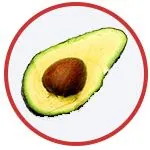
Avocado is often touted for its health benefits to humans, but it’s a different story for dogs. This fruit contains persin, a toxin that can cause vomiting and diarrhea in dogs. The larger risk comes from the pit, which poses a serious choking hazard and can block the intestinal tract, potentially necessitating surgical removal. Moreover, the high fat content in avocados can lead to pancreatitis, a serious inflammatory condition of the pancreas that can be debilitating or even fatal.
2. Onions and Garlic
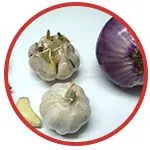
Onions and garlic are staples in many kitchens but are highly toxic to dogs. These foods damage red blood cells and can cause anemia. This condition diminishes the blood’s ability to carry oxygen and can result in organ damage and, in severe cases, organ failure. The toxic effects can accumulate over time, meaning that regular small doses can be just as harmful as one large dose. Symptoms might not appear immediately and can include lethargy, pale gums, and an increased heart rate.
3. Grapes and Raisins

Grapes and raisins have been repeatedly shown to cause acute kidney failure in dogs. The exact compound that causes the toxicity is unknown, but the effects are severe and potentially deadly. Early symptoms include vomiting and hyperactivity, which can occur within a few hours of ingestion. Later, as kidney failure develops, dogs may become lethargic and depressed, and might stop urinating. Because there’s no known safe quantity, all grapes and raisins should be kept well away from dogs.
4. Macadamia Nuts

Macadamia nuts can cause a unique, often severe, toxic reaction in dogs, termed macadamia nut toxicosis. Affected dogs can display symptoms such as weakness, especially in the hind legs, depression, vomiting, tremors, and hyperthermia. These symptoms can appear within 12 hours of ingestion and may last up to 48 hours. Although the exact toxin isn’t known, the risk they pose to your pet is real and significant.
5. Alcohol

Even small amounts of alcohol, whether sourced from beverages, syrups, or raw dough, can be dangerous to dogs. Alcohol affects dogs in a manner similar to humans, impairing their central nervous system leading to symptoms ranging from disorientation and drooling to vomiting and diarrhea. In severe cases, alcohol ingestion can result in metabolic disturbances severe enough to cause coma or death.
6. Chocolate

Chocolate is one of the most well-known toxic foods for dogs. It contains theobromine and caffeine, both of which can overstimulate a dog’s nervous system and heart. The darker the chocolate, the more dangerous it is due to higher concentrations of these compounds. Symptoms of chocolate poisoning include excessive thirst, panting, restlessness, and in severe cases, muscle tremors, seizures, and heart failure.
7. Coffee

Coffee and other caffeinated beverages and foods can cause significant health issues in dogs. Caffeine stimulates the nervous system, which can lead to hyperactivity, restlessness, vomiting, elevated heart rate, hypertension, and in severe cases, death. Dogs are much more sensitive to caffeine than humans, so even moderate amounts of coffee grounds or beans can be toxic.
8. Moldy Foods
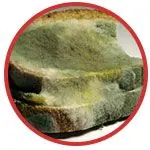
Moldy foods can contain various toxins that can make your dog seriously ill. These mycotoxins, particularly those found in moldy cheese, moldy nuts, and moldy bread, can cause severe muscle tremors and convulsions that are life-threatening. It’s important to keep trash cans secure and compost heaps fenced off to prevent your dog from scavenging potentially dangerous foods.
9. Salt
Excessive salt intake can lead to salt poisoning in dogs, which manifests as vomiting, diarrhea, lethargy, and a severe imbalance in fluid levels. This can progress to tremors, seizures, coma, and even death if untreated. Foods high in salt, such as snacks and processed foods, should never be fed to dogs to avoid these serious health issues.
10. Dairy Products

Many dogs are lactose intolerant and cannot digest dairy properly. Feeding milk, cheese, ice cream, and other dairy products can cause gastrointestinal upset including bloating, gas, diarrhea, and vomiting. While a small amount might not be deadly, repeated exposure can lead to persistent gastrointestinal discomfort and more serious conditions like pancreatitis.
Ensuring your dog avoids these toxic foods is crucial for their health and happiness. Always consult your veterinarian about safe dietary choices for your pet to prevent accidental poisoning. Remember, a well-informed owner is a dog’s best friend.


