Kidney Failure in Dogs

For general pet-health questions, the AVMA pet-owner resources are a reliable starting point, and your veterinarian should guide individual decisions.
Kidney failure in dogs is a serious and complex condition that poses significant health threats to canines. Renal failure, as it is also known, occurs when a dog’s kidneys are no longer able to remove waste products from the blood effectively. This article aims to provide a comprehensive overview of kidney failure in dogs, covering its symptoms, causes, diagnosis, treatment, and prevention.
Understanding Kidney Function in Dogs
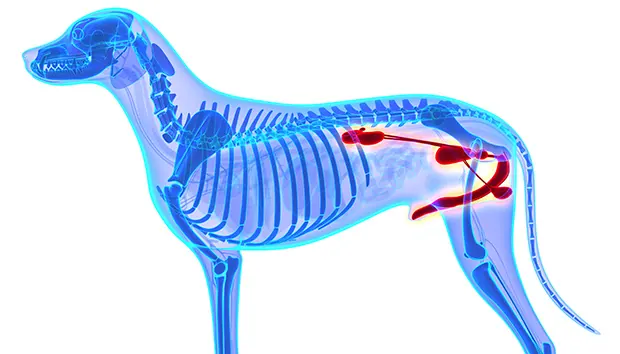
The kidneys are vital organs with several crucial functions, including the elimination of waste products from the body, regulation of blood pressure, and maintenance of electrolyte balance. When kidney function is compromised, toxins begin to build up in the blood, leading to the clinical signs of kidney failure.
Types of Kidney Failure in Dogs
Kidney failure in dogs can be classified into two main types:
- Acute Kidney Failure: This occurs suddenly and can be caused by toxins, infections, and shock. It is characterized by a rapid decline in kidney function over days to weeks.
- Chronic Kidney Failure: This form develops slowly over months or years as the kidney tissue gradually deteriorates. It is often seen in older dogs but can occur in younger dogs as well due to congenital conditions or other long-standing issues.
Symptoms of Kidney Failure in Dogs
The symptoms of kidney failure in dogs can vary widely but typically include:
- Increased thirst and urination
- Decreased appetite
- Weight loss
- Vomiting and diarrhea
- Dull or sunken eyes
- Dry coat
- Lethargy and depression
- Bad breath with a chemical odor
These symptoms are often subtle at first and become more pronounced as the disease progresses.
Causes of Kidney Failure
Several factors can lead to kidney failure in dogs, including:
- Genetic predisposition: Some breeds, such as Cocker Spaniels, Samoyeds, and German Shepherds, are more prone to certain types of kidney disease.
- Age: Older dogs are more likely to develop chronic kidney failure.
- Toxins: Ingestion of substances like antifreeze, certain medications, and toxic plants can cause acute renal failure.
- Infections: Diseases such as leptospirosis can damage the kidneys.
- Underlying health issues: Conditions like diabetes and high blood pressure can contribute to kidney damage.
Diagnosing Kidney Failure in Dogs
Diagnosis of kidney failure involves a combination of clinical examination, blood tests, and urine tests. The blood tests will check for elevated levels of waste products such as blood urea nitrogen (BUN) and creatinine, which are indicators of kidney health. Urine tests assess the kidney’s ability to concentrate urine. Advanced imaging like ultrasound may be used to evaluate the structure and size of the kidneys.
Treatment Options
Treatment depends on whether the kidney failure is acute or chronic. In cases of acute kidney failure, hospitalization and intensive care including fluid therapy and medications are often necessary. Chronic kidney failure is managed with a combination of diet modification, medications, and in some cases, fluid therapy.
- Dietary changes: Special kidney diets help manage kidney disease by having lower protein, lower phosphorus, and non-acidifying properties.
- Fluid therapy: Helps to flush out toxins and maintain hydration.
- Medications: Can include drugs to control blood pressure, reduce protein loss in urine, and correct electrolyte imbalances.
Preventive Measures
Preventing kidney failure involves regular veterinary check-ups, which can help catch kidney disease in its early stages. Keeping toxins out of reach, maintaining a healthy diet, and ensuring your dog has access to clean water at all times are crucial preventive steps.
The Importance of Early Detection
Early detection of kidney failure can greatly improve the prognosis for a dog. Regular blood and urine tests, especially in older dogs or those at higher risk, are essential for early diagnosis and management.
Summary
Kidney failure in dogs is a serious condition that requires immediate and ongoing attention. Understanding the signs and seeking timely veterinary care are crucial to managing this disease effectively. With the right approach, many dogs with kidney failure can enjoy a good quality of life.
This comprehensive guide aims to help dog owners understand the complexities of kidney failure, ensuring that their beloved pets receive the best care possible. For further information, consulting with a veterinarian who can provide tailored advice and treatment plans is recommended.


