Staph Infections in Dogs: See a Veterinarian, Don’t Self-Treat
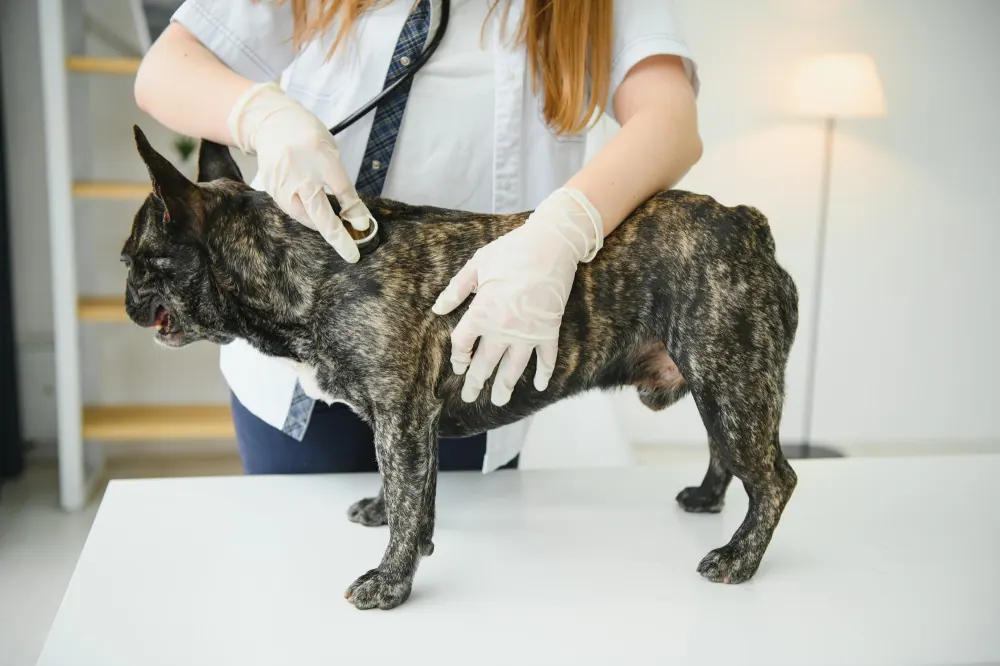
A suspected staph infection in a dog is a veterinary problem, not a home-antibiotic project. Staphylococcus bacteria often live on skin without causing trouble; they can cause infection when the skin barrier is broken or the immune system is stressed. Signs can include redness, itching, pustules, hair loss, or, in more serious cases, fever and lethargy. Only a veterinarian can confirm the cause and choose a treatment. Do not give leftover human antibiotics, essential oils, or unprescribed medications.
Look for a complete-and-balanced statement as explained in the FDA guidance on complete and balanced pet food and AAFCO’s consumer guide to understanding pet food. The WSAVA Global Nutrition Guidelines are a useful higher-level reference when you are choosing a food.
Many skin infections come back if the underlying issue, such as allergies or a wound, is not addressed. Follow the full course of any prescribed medicine, and call your clinic if the skin worsens, the dog seems painful, or you see spreading wounds. This article is general information, not a treatment plan.
Staph infections in dogs are a common and concerning health issue that can affect canines of all ages and breeds. Caused by the bacterium Staphylococcus, these infections can lead to a variety of symptoms, ranging from mild skin issues to severe systemic infections. Understanding the causes, recognizing the symptoms, and knowing the treatment options are essential for pet owners to ensure their furry friends remain healthy and happy. This article explores the intricacies of staph infections in dogs, offering insights into how to effectively manage and prevent this condition.
Understanding Staph Infections in Dogs
Staphylococcus bacteria are commonly found on the skin of dogs and humans alike, coexisting without causing any issues. Problems arise when the bacteria enter the body through cuts, scratches, or compromised skin, leading to an infection. In dogs, the most common type of staph infection is Staphylococcus pseudintermedius, which primarily affects the skin but can also spread to other parts of the body, including the lungs, bones, and joints.
Causes and Risk Factors
Several factors can increase a dog’s risk of developing a staph infection. These include:
- Immune System Issues: Dogs with weakened immune systems are more susceptible to infections.
- Skin Disorders: Conditions that damage the skin’s integrity, such as allergies, hot spots, or wounds, provide an entry point for bacteria.
- Chronic Diseases: Dogs with chronic health issues like diabetes are at a higher risk.
- Environmental Factors: Poor hygiene and crowded conditions can facilitate the spread of bacteria.
Symptoms of Staph Infections in Dogs
The symptoms of a staph infection can vary depending on the infection’s location and severity. Common signs include:
- Skin Issues: Redness, itching, rash, pustules, and hair loss.
- Systemic Symptoms: Fever, lethargy, and loss of appetite in more severe cases.
- Localized Pain: If bones or joints are affected, the dog may show lameness or reluctance to move.
It’s crucial to consult a veterinarian if you notice any of these symptoms in your dog, as early diagnosis and treatment can prevent more severe complications.

Diagnosing Staph Infections
Veterinarians will typically perform a thorough physical examination and may take samples from the affected area for culture and sensitivity testing. This testing helps identify the specific type of bacteria causing the infection and determines the most effective antibiotics for treatment.
Is Staph Infection Contagious in Dogs?
Staph infections themselves are not considered highly contagious between dogs or from dogs to humans under normal circumstances, because the Staphylococcus bacteria are already present on the skin of both dogs and people. However, if an individual (dog or human) has a weakened immune system or an open wound, there is a higher risk of developing an infection if they come into contact with an infected site.
Treatment Options
Treatment for staph infections in dogs usually involves antibiotics. The choice of antibiotic and the duration of treatment depend on the infection’s severity and the results of the sensitivity testing. In cases of skin infections, topical treatments like medicated shampoos or ointments may also be recommended.
Addressing Underlying Causes
Treating the infection itself is crucial, but it’s also important to address any underlying conditions that may have contributed to the infection. This may involve managing allergies, improving diet, or adjusting environmental factors to support the dog’s overall health and prevent recurrence.
Preventing Staph Infections in Dogs
Prevention plays a key role in managing staph infections in dogs. Here are some strategies to reduce the risk:
- Regular Veterinary Check-ups: Early detection and treatment of skin issues or other health problems can prevent infections.
- Good Hygiene: Regular bathing and grooming can help maintain healthy skin and identify any issues early.
- Healthy Lifestyle: A balanced diet, regular exercise, and maintaining a healthy weight support a strong immune system.
- Environmental Management: Keeping your dog’s living area clean and avoiding overcrowded conditions can reduce exposure to harmful bacteria.
When to See a Vet
Prompt veterinary care is essential if you suspect your dog has a staph infection. Early intervention can prevent the infection from worsening and reduce the risk of it becoming resistant to treatment.
Staph infections in dogs can be a serious health issue, but with proper understanding, care, and prevention, they can be effectively managed. Recognizing the symptoms, seeking timely veterinary intervention, and taking steps to prevent infections can help ensure your dog leads a healthy, happy life. Remember, a proactive approach to your dog’s health can make all the difference in preventing and managing staph infections.


