Soup Bones for Dogs: Cooked Bones Are Unsafe, and Raw Bones Still Have Risks
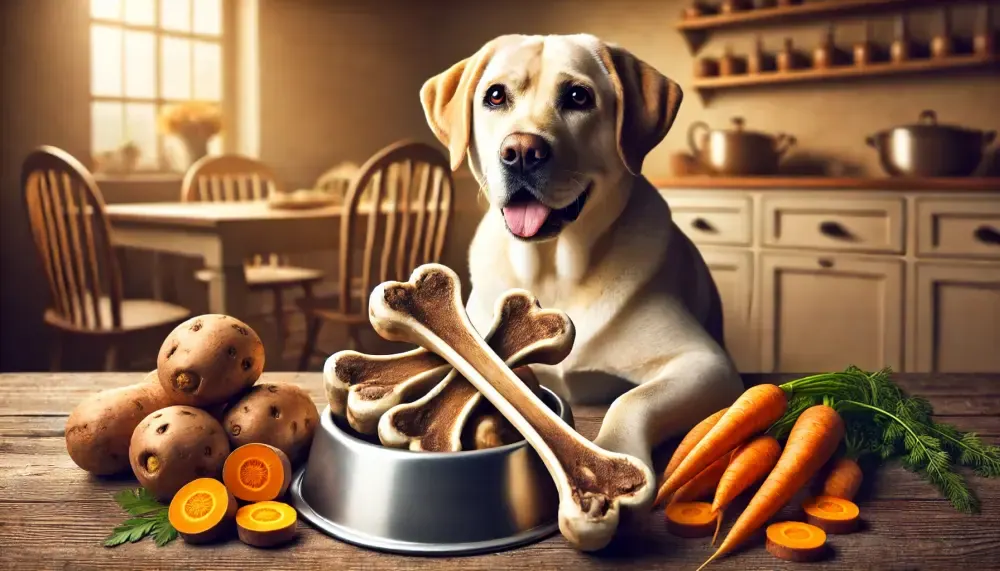
Cooked soup bones are not a safe dog treat. Cooking makes bones brittle so they can splinter, and splinters can injure the mouth, throat, or gut or cause a blockage. Raw marrow or “soup” bones still carry risks, including broken teeth, choking, and gastrointestinal injury or blockage. They are also not a complete diet and not a proven arthritis treatment. If you offer any recreational bone at all, it should be a conversation with your veterinarian, sized so it cannot be swallowed whole, and only under supervision. Thrown-away cooked leftovers from the table are a poor idea.
Chews and dental treats have safety tradeoffs and are not a substitute for veterinary dental care. The Merck Veterinary Manual dog-owner pages are a reliable starting point, and supervision still matters.
If you want a fabric toy instead of a bone, we also review Tuffy dog toys, still with supervision.
Safer chewing outlets include a well-chosen toy, a best dental sticks for dogs chew sized for the dog, or a best interactive dog toys puzzle. If your dog already swallowed a cooked bone, or is gagging, vomiting, or in pain, call your veterinarian.
As an Amazon Associate, we earn from qualifying purchases.
Dogs have an innate love for bones, and when it comes to providing both a tasty and nutritious snack, soup bones can be an excellent option. Soup bones, also known as marrow bones, offer numerous health benefits for dogs, but it’s essential to ensure you’re selecting the right bones and serving them safely. In this article, we’ll explore the advantages of soup bones for dogs, how to pick the best options, and tips for serving them in a way that ensures your dog’s health and safety.
Why Soup Bones Are Great for Dogs
Soup bones provide a healthy and enjoyable chewing experience for dogs. These bones are typically rich in marrow, which contains beneficial fats and nutrients. Here are a few key benefits:
- Dental Health: One of the most significant advantages of soup bones is their ability to help clean your dog’s teeth. Chewing on these bones can reduce plaque buildup and promote healthier gums.
- Mental Stimulation: The act of chewing is naturally calming for dogs. It keeps them engaged and satisfied, offering both mental stimulation and a way to combat boredom.
- Rich in Nutrients: Marrow bones are packed with essential vitamins and minerals, including calcium, phosphorus, and healthy fats, which support your dog’s overall health.
- Joint Health: Bones contain natural collagen, which can promote healthy joints, making them an excellent addition to the diet of active dogs.
Choosing the Right Soup Bones for Your Dog
Not all bones are suitable for dogs, and choosing the right type of bone is critical for your pet’s safety. When selecting soup bones, keep the following tips in mind:
- Size Matters: Always choose bones that are large enough to prevent your dog from swallowing them whole. For example, larger breeds like Labradors or German Shepherds will benefit from beef marrow bones, while smaller breeds may require lamb or pork bones.
- Raw vs. Cooked: Raw bones are generally safer than cooked bones, as cooking can make bones brittle and prone to splintering, which can be dangerous for dogs. Raw bones are also richer in nutrients, making them a healthier choice.
- Supervision is Key: Whenever you give your dog a bone, it’s essential to supervise them. This ensures they don’t accidentally choke or try to swallow large pieces of bone that could cause digestive issues.
- Consult Your Vet: If you’re unsure about whether soup bones are suitable for your dog, it’s always a good idea to consult your veterinarian. They can recommend the best bone size and type based on your dog’s breed, size, and health status.
How to Serve Soup Bones to Your Dog
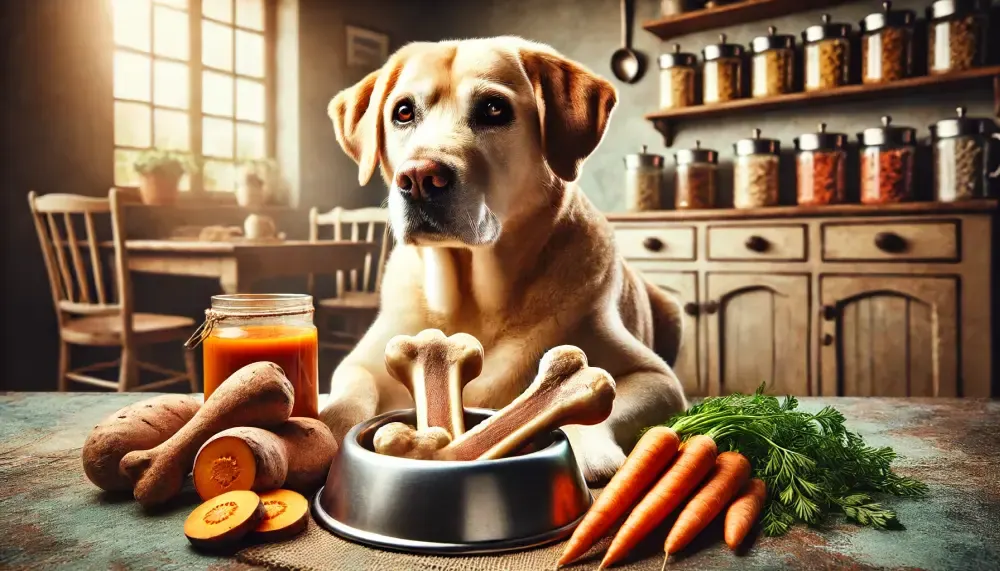
Once you’ve selected the perfect soup bones for your dog, it’s time to serve them. Here are a few tips for ensuring the experience is safe and enjoyable:
- Introduce Slowly: If your dog has never had a soup bone before, introduce it gradually. Allow them to chew for short periods at first to see how their stomach reacts. Some dogs may have sensitive digestion, especially when consuming rich marrow for the first time.
- Remove After Chewing: After your dog has had time to enjoy the bone, be sure to remove it. Leaving bones out for too long can result in bacterial growth, which can be harmful to your pet’s health.
- No Splintering: Avoid giving your dog cooked or brittle bones, as these can easily splinter and cause choking or damage to the digestive tract.
- Freeze for Longer Enjoyment: To make the treat last longer and provide some cooling relief, you can freeze raw soup bones before giving them to your dog. This not only prolongs the chewing session but also helps keep their teeth clean.
Safety Concerns to Keep in Mind
While soup bones are a natural and healthy treat for dogs, there are a few precautions to consider:
- Choking Hazard: Smaller dogs or aggressive chewers may be at risk of choking on bones, especially if they try to break off and swallow large chunks. Always supervise your dog when they are chewing on bones.
- Avoid Small or Thin Bones: Avoid giving your dog small bones, like those from chicken or turkey, as they can splinter easily and cause internal injuries.
- Digestive Issues: Some dogs may experience digestive issues after consuming marrow bones, especially if they are introduced too quickly. If you notice signs of constipation or diarrhea, discontinue giving bones and consult your vet.
Alternatives to Soup Bones
If you’re concerned about the risks associated with soup bones or prefer not to give your dog bones at all, there are several safe and nutritious alternatives:
- Rubber Chew Toys: Durable rubber toys, such as Kongs, can be filled with healthy treats or peanut butter to satisfy your dog’s chewing instincts.
- Natural Dental Chews: Specially designed dental chews can help clean your dog’s teeth while providing a safe and enjoyable chewing experience.
- Bone Broth: If you want to provide the nutritional benefits of bones without the risk of choking or splintering, homemade bone broth is an excellent option. Simply simmer raw bones in water to create a nutrient-dense liquid that your dog can enjoy over their meals.
Soup bones are a fantastic treat for dogs, offering both health benefits and enjoyment. They provide a natural way to promote dental health, mental stimulation, and nutrient intake. By choosing the right bones, serving them safely, and always supervising your dog during chewing, you can ensure that this treat is a safe and delightful addition to their diet.
Whether you decide to give your dog raw soup bones or prefer safer alternatives like bone broth or rubber chew toys, always consider your dog’s size, breed, and individual health needs. As with any new addition to your pet’s diet, it’s a good idea to consult your veterinarian before introducing soup bones.


