How to Clean Dogs’ Teeth
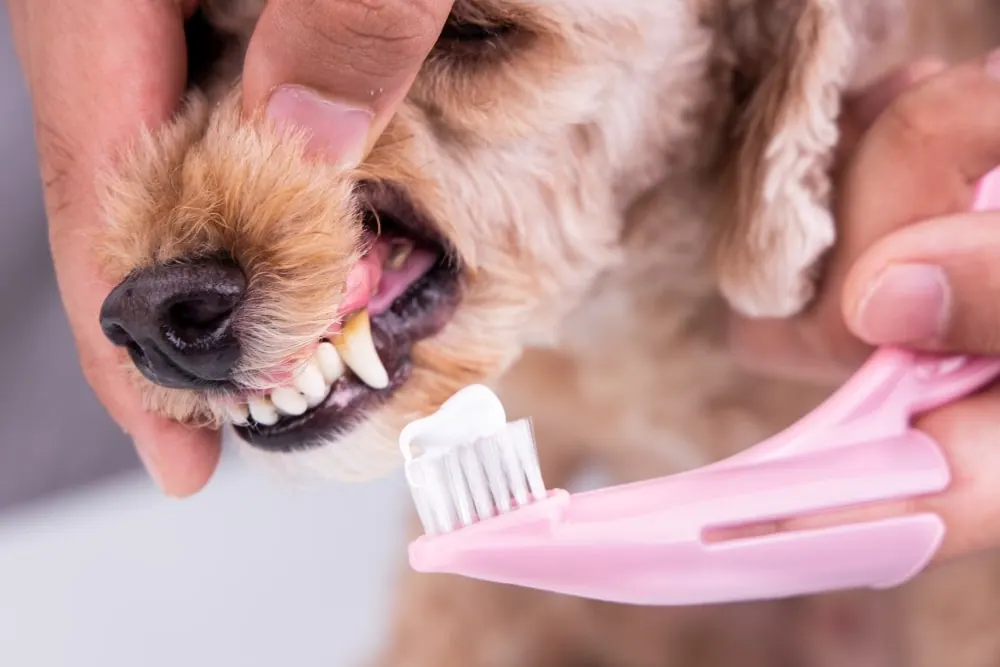
Proper dental care is crucial for maintaining your dog’s overall health. Just like humans, dogs can suffer from dental problems, such as plaque buildup, gum disease, and tooth decay. These issues can lead to more serious health complications if left unattended. Regular teeth cleaning can prevent these problems and keep your dog healthy and happy. In this article, we’ll explore effective techniques for cleaning your dog’s teeth, the tools you’ll need, and some additional tips to ensure your furry friend maintains a healthy mouth.
As an Amazon Associate, we earn from qualifying purchases.
Understanding the Importance of Dental Care in Dogs
Dental health is a vital part of a dog’s overall well-being. Neglecting oral hygiene can lead to periodontal disease, which affects the majority of dogs by the age of three. This condition can cause pain, bad breath, tooth loss, and can even result in bacteria entering the bloodstream, potentially damaging organs like the heart and kidneys.
Preparing to Clean Your Dog’s Teeth
Before you begin the teeth cleaning process, it is essential to gather the right tools and prepare your dog for the experience. Here’s what you’ll need:
- Dog toothbrush: Specialized dog toothbrushes are available at pet stores, which are softer and appropriately sized for dogs’ mouths.
- Dog toothpaste: Human toothpaste contains ingredients that are harmful to dogs. Always use a toothpaste formulated specifically for dogs.
- Dental wipes or pads: These can be a good alternative if your dog resists brushing.
- Dental chews and toys: These products help reduce plaque and strengthen gums naturally as your dog chews.
See top-rated dog dental cleaning kit on Amazon
For general pet-health questions, the AVMA pet-owner resources are a reliable starting point, and your veterinarian should guide individual decisions.
Related reading: Dog Water Additive for Teeth: The Key to Fresh Breath and Healthy Smiles.
Step-by-Step Guide to Cleaning Your Dog’s Teeth
- Start Early: If possible, introduce your dog to teeth cleaning when they are a puppy. This will help them get used to the process as they grow.
- Create a Routine: Consistency is key in dental care. Aim to clean your dog’s teeth daily or at least several times a week.
- Choose the Right Time: Begin the cleaning when your dog is calm and relaxed, such as after a meal or physical exercise.
- Introduce the Toothpaste: Let your dog taste the toothpaste before you start using it on the brush. Many dog toothpastes are flavored to make them more appealing.
- Use the Toothbrush: Gently lift your dog’s lips and use the toothbrush in a circular motion. Focus on one side of the mouth at a time, and try to reach the back upper molars and canine teeth, where plaque tends to accumulate most.
- Be Gentle and Patient: Your dog might not take to brushing immediately. Reward calm behavior and take breaks if needed.
- Finish with a Reward: Always end each session on a positive note with a treat or playtime. This helps your dog associate teeth cleaning with a positive experience.
Tips for Maintaining Your Dog’s Dental Health
- Regular Vet Checkups: Regular professional cleanings and checkups are essential to catch any dental issues early.
- Watch for Signs of Dental Problems: Bad breath, excessive drooling, or changes in eating habits can all be signs of dental problems.
- Diet and Nutrition: Feed your dog crunchy kibble which can help reduce plaque buildup. Consider supplements that promote oral health.
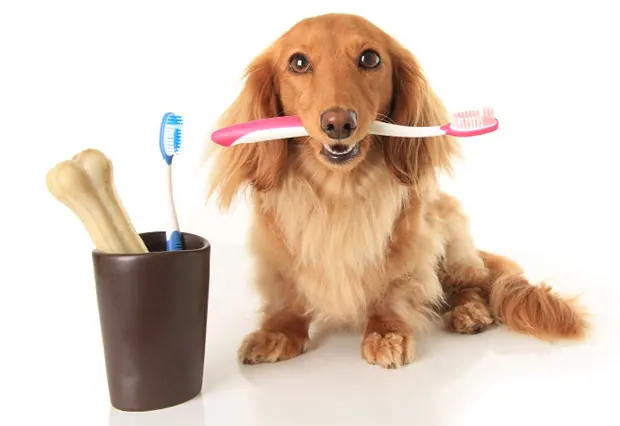
Regularly cleaning your dog’s teeth is a critical component of their health care routine. By taking proactive steps at home and consulting with your veterinarian, you can help prevent dental diseases and ensure your dog lives a long, healthy life. Remember, a clean mouth supports not only dental health but overall health, making it well worth the effort.


