Klinefelter Syndrome in Male Cats: Understanding XXY Chromosome Syndrome in Felines
For a related health topic, see Do Cats Get Down Syndrome? Why the Answer Is No. That article is also not a substitute for a veterinary exam.
This is general information, not a diagnosis. The Merck Veterinary Manual cat-owner pages are a reliable place to read more before you talk with your veterinarian.
Klinefelter Syndrome, primarily associated with humans, can also appear in male cats as a genetic condition resulting from an extra X chromosome, making the cat XXY rather than the standard XY. This unique genetic variation affects physical traits and often leads to sterile males that display characteristics typically associated with female cats. The syndrome is rare in felines, but when it occurs, it brings specific health and behavioral challenges. This article explores the symptoms, causes, diagnosis, and management of Klinefelter Syndrome in male cats.
What is Klinefelter Syndrome in Cats?
Klinefelter Syndrome, or XXY Syndrome, in male cats is a chromosomal disorder caused by the presence of an extra X chromosome. Typically, male cats have one X and one Y chromosome (XY), while females have two X chromosomes (XX). When an extra X chromosome is present, it creates an XXY chromosome configuration, which influences the physical and hormonal traits of the cat. Cats with Klinefelter Syndrome may exhibit a blend of male and female characteristics, making them unique in the feline world.
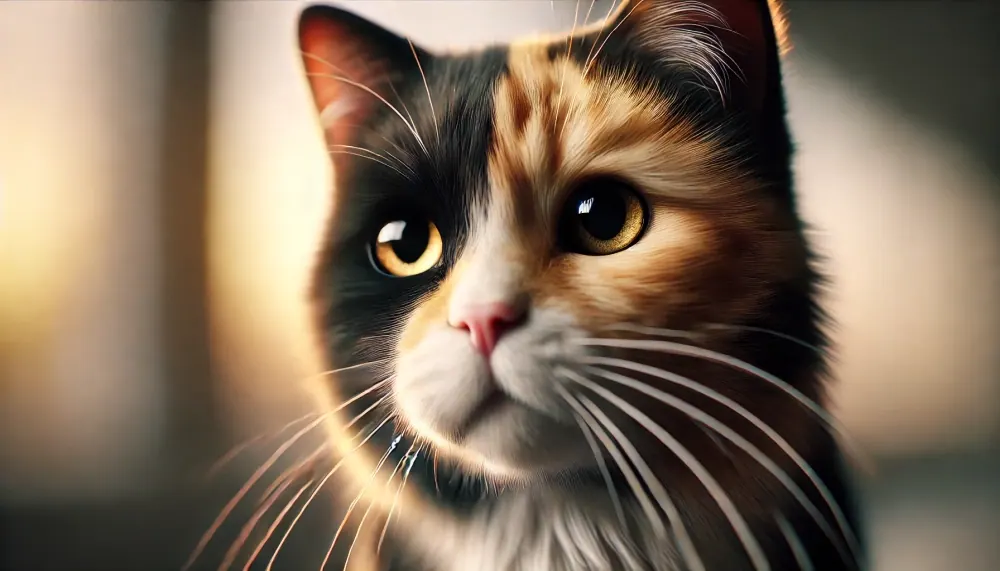
While most male cats are not calico or tortoiseshell due to their genetic makeup, male cats with XXY chromosomes can have these distinctive coat patterns usually found in female cats. Klinefelter Syndrome is, therefore, commonly associated with male calico or tortoiseshell cats, as the extra X chromosome enables the expression of these colors.
Understanding Chromosome Abnormalities in Cats
Chromosome abnormalities, like Klinefelter Syndrome, are rare but not unheard of in felines. In cats, genetic traits such as coat color and patterns are linked to the X chromosome. For example, the genes responsible for black and orange coat colors in calico and tortoiseshell patterns are located on the X chromosome. Typically, only female cats display these patterns due to their XX chromosomal structure.
However, in rare instances, a male cat inherits an extra X chromosome (XXY). This results in a blend of male and female physical traits, leading to the unique appearance and characteristics of male calico or tortoiseshell cats. This phenomenon is particularly captivating for cat lovers and genetic researchers alike, as it highlights the complexity of feline genetics.
Symptoms of Klinefelter Syndrome in Male Cats
Klinefelter Syndrome in male cats may manifest in a variety of physical and behavioral symptoms. While some signs can be subtle, others may become more evident over time. Here are some common symptoms associated with Klinefelter Syndrome in cats:
- Sterility: Most male cats with Klinefelter Syndrome are sterile, meaning they are unable to father offspring.
- Calico or Tortoiseshell Coat Patterns: The presence of an extra X chromosome allows these male cats to display the rare calico or tortoiseshell coat colors.
- Reduced Muscle Tone and Bone Density: Male cats with XXY chromosomes may have a lighter build and weaker muscle tone than typical male cats.
- Behavioral Differences: Klinefelter cats may have less aggressive or more docile temperaments compared to other male cats, potentially due to altered hormonal influences.
- Increased Risk of Health Issues: Cats with Klinefelter Syndrome may be more susceptible to certain health issues, such as urinary tract problems and increased body fat, leading to obesity.
- Delayed Development: Some Klinefelter cats exhibit delayed growth and development compared to their peers, possibly due to hormonal imbalances caused by the extra X chromosome.
Causes of Klinefelter Syndrome in Male Cats
Klinefelter Syndrome in male cats results from a chromosomal mutation that occurs during conception. Specifically, an error in the division of sex chromosomes in either the egg or sperm leads to the presence of an extra X chromosome, resulting in an XXY chromosome configuration. This mutation is usually random and is not known to be hereditary in cats. As a result, any male cat has a low but possible chance of being born with Klinefelter Syndrome.
Because the mutation occurs randomly, breeders have limited control over its occurrence. While calico and tortoiseshell patterns are genetically female-dominant, the occurrence of a male calico is an unusual but naturally occurring phenomenon, making these cats rare and often highly valued by enthusiasts.
Diagnosing Klinefelter Syndrome in Male Cats
To accurately diagnose Klinefelter Syndrome in male cats, a veterinarian may need to conduct a series of tests. Diagnosis generally involves:
- Physical Examination: An initial physical examination can help identify physical characteristics such as reduced muscle tone, unique coat patterns, and general health concerns.
- Genetic Testing: A blood test to analyze the cat’s chromosomes can confirm the presence of an extra X chromosome. Chromosome analysis, or karyotyping, can accurately diagnose Klinefelter Syndrome.
- Hormonal Testing: Since Klinefelter Syndrome affects hormone levels, a vet may conduct hormonal tests to measure testosterone and other hormone levels, providing further confirmation of the condition.
- Health Screening: Routine health checks are essential for identifying any underlying health issues associated with Klinefelter Syndrome, such as urinary or metabolic problems.
Diagnosing Klinefelter Syndrome early can allow pet owners and veterinarians to monitor for potential health concerns and provide better care for affected cats.
Managing Klinefelter Syndrome in Male Cats
There is no cure for Klinefelter Syndrome in male cats, but with proper management, they can enjoy a healthy and happy life. Here are some essential management strategies for cat owners:
- Regular Veterinary Check-ups: Since Klinefelter Syndrome can predispose cats to certain health issues, regular veterinary visits can help catch and address any emerging health problems early.
- Diet and Weight Management: Male cats with Klinefelter Syndrome are at an increased risk of obesity, so feeding a balanced diet and monitoring portion sizes can help maintain a healthy weight.
- Environmental Enrichment: Providing toys, scratching posts, and interactive playtime can help prevent boredom and maintain physical health, especially if the cat has a docile personality.
- Hormonal Support: In some cases, veterinarians may recommend hormone therapy to manage symptoms, particularly if the cat experiences health issues due to hormonal imbalances.
- Stress Management: Keeping a low-stress environment with consistent routines can benefit cats with Klinefelter Syndrome, as they may be more sensitive to environmental changes.
The Unique Appeal of Male Cats with Klinefelter Syndrome
Male cats with Klinefelter Syndrome are rare and unique due to their distinctive calico or tortoiseshell coat patterns. These cats not only attract attention for their appearance but also provide a fascinating glimpse into the complexities of feline genetics. Many owners find that these cats have endearing personalities, often gentler than other male cats, making them wonderful companions.
However, owning a cat with Klinefelter Syndrome also brings specific responsibilities. Awareness of potential health risks and regular veterinary care are essential for ensuring these cats lead fulfilling lives. For those fortunate enough to share their lives with a Klinefelter cat, the experience is often deeply rewarding, filled with unique insights into feline behavior and genetics.
Klinefelter Syndrome in male cats highlights the intriguing diversity of genetic expression in animals. Though rare, it serves as a reminder of the remarkable ways in which genetics shape both physical traits and personality. For cat owners and enthusiasts, understanding Klinefelter Syndrome can foster a deeper appreciation for the uniqueness of each feline companion. By managing their health and providing loving care, these extraordinary cats can thrive and continue to captivate those around them.