Do Cats Get Down Syndrome? Why the Answer Is No
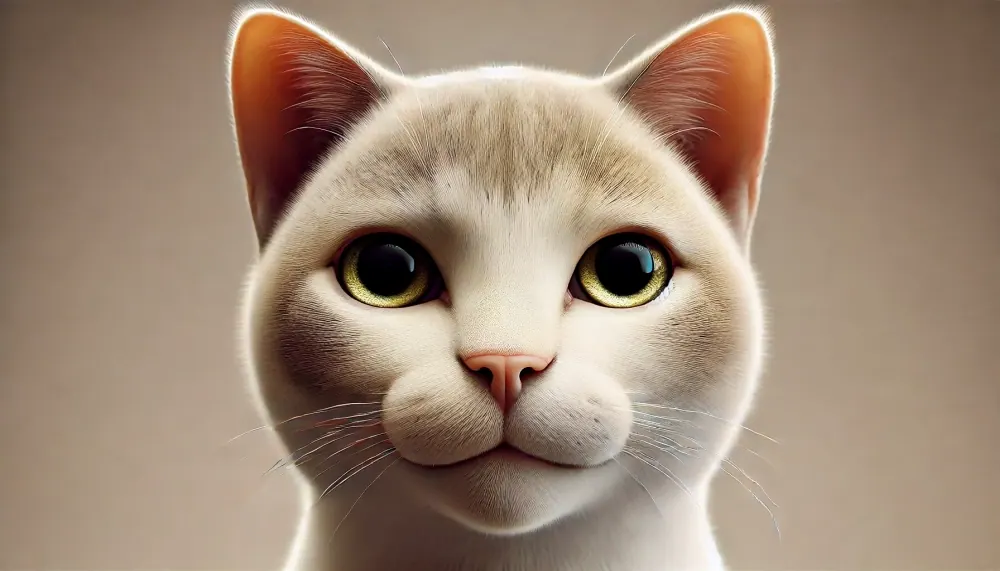
Cats do not have Down syndrome. Human Down syndrome is caused by an extra copy of chromosome 21 (trisomy 21). Cats have a different number of chromosomes, and they do not develop that human condition. A cat with unusual eyes, a flattened face, low muscle tone, or delayed development has some other medical or genetic issue. Those cats still deserve a real diagnosis and care, not a social-media label.
This is general information, not a diagnosis. The Merck Veterinary Manual cat-owner pages are a reliable place to read more before you talk with your veterinarian.
For a related health topic, see PTSD in Cats: Understanding Feline Trauma and How to Help. That article is also not a substitute for a veterinary exam.
If your cat’s face or behavior looks atypical, see a veterinarian. Possible causes include cerebellar hypoplasia, craniofacial congenital defects, injury, or other genetic conditions. Supportive care, a calm home, and an easy-to-eat diet such as best canned cat food can help some cats be comfortable, but they are not a treatment. Avoid breeders who market “Down syndrome cats.”
When discussing health concerns or unusual characteristics in our pets, it’s natural to draw parallels to human conditions. One question that arises among cat owners is whether cats can have Down Syndrome. While Down Syndrome, as we know it in humans, does not occur in cats, there are various genetic abnormalities in cats that can produce similar physical or behavioral traits. This article explores feline genetics, the similarities and differences with human conditions like Down Syndrome, and the implications for pet owners.
Understanding Down Syndrome: Human Chromosomal Specifics
Down Syndrome in humans is a genetic condition caused by an extra copy of chromosome 21, leading to a range of cognitive and physical characteristics. People with Down Syndrome may have certain facial features, developmental delays, and unique health needs. In human biology, this chromosomal abnormality is specific to the trisomy of chromosome 21. However, the genetic and chromosomal structures of cats are different from those of humans, and cats do not have a chromosome 21. This structural difference means that cats cannot develop Down Syndrome as it is understood in humans.
Can Cats Have Similar Genetic Conditions?
Though cats do not experience Down Syndrome, they can exhibit traits that may remind us of the condition, leading some pet owners to wonder about their cat’s health. Cats with unusual physical appearances or behaviors could be affected by other genetic, neurological, or chromosomal abnormalities. Feline genetic conditions can manifest as differences in a cat’s physical structure, behavior, or cognitive abilities. Here are some of the most common conditions in cats that may have similar presentations to certain aspects of Down Syndrome in humans:
- Cerebellar Hypoplasia
One condition sometimes associated with unique physical and behavioral characteristics in cats is cerebellar hypoplasia. This neurological disorder occurs when the cerebellum, the part of the brain responsible for motor skills and balance, does not develop fully. Cats with cerebellar hypoplasia may have unsteady movements, tremors, or challenges in coordination. They may tilt their heads, stumble when walking, or have a “wobbly” gait, leading some people to think the cat may have a condition similar to Down Syndrome. Although it affects movement, cerebellar hypoplasia is not painful, and affected cats often live healthy lives with just a few adaptations. - Feline Dwarfism
Dwarfism in cats can cause structural differences that may resemble some physical characteristics seen in Down Syndrome. This condition results from genetic mutations that affect bone growth, leading to short limbs, large heads, and other unique physical features. Feline dwarfism does not impact a cat’s intelligence but may require adaptations for comfortable living. Special accommodations may be necessary for a cat with dwarfism, such as lower access points or easily accessible food bowls. - Facial Dysmorphia and Chromosomal Abnormalities
While Down Syndrome is specific to human chromosomal structures, cats can experience other chromosomal abnormalities. Some of these irregularities result in unusual facial characteristics that may remind people of Down Syndrome traits, such as wide-set eyes, flattened noses, or other unique facial features. Although rare, certain genetic mutations in cats can lead to these kinds of abnormalities, often due to mutations or environmental factors affecting development. - Klinefelter Syndrome in Male Cats (XXY Syndrome)
Klinefelter Syndrome in humans results from an additional X chromosome in males, resulting in an XXY configuration. Although cats cannot have Down Syndrome, male cats with an extra X chromosome (XXY) can show developmental and health issues. For example, male cats with Klinefelter Syndrome may have calico or tortoiseshell coats (a feature typically exclusive to female cats due to their chromosomal structure), reduced fertility, or other minor health differences. This condition provides some insight into how chromosomal abnormalities might manifest in cats differently than in humans.
Recognizing Symptoms of Genetic Conditions in Cats
Cats exhibiting genetic abnormalities may show physical or behavioral signs that differentiate them from typical cats. These signs can vary widely and depend on the specific genetic or neurological condition present. Some features to observe include:
- Facial Structure: If your cat has a unique facial appearance, it may be due to genetic variations rather than a direct correlation with any syndrome. Characteristics such as wide-set eyes, flatter nose bridges, or a larger head could signal genetic diversity rather than Down Syndrome.
- Motor Skills: Cats with neurological conditions might walk unsteadily, have tremors, or display poor balance. Watching for these behaviors can help identify potential neurological issues.
- Behavioral Differences: Cats with cognitive or neurological conditions may react differently to stimuli, show increased dependency, or have delayed socialization. It’s essential to provide a supportive environment and seek veterinary guidance for any concerns.
Caring for Cats with Unique Genetic Conditions
Providing quality care for cats with unique genetic conditions can require some adjustments but is entirely manageable. Here are a few ways to support these special cats:
- Home Environment Adjustments: If your cat has mobility issues, consider making your home more accessible by adding ramps, lower entry points, or non-slip mats. This minimizes the risk of falls and helps them feel more comfortable.
- Regular Veterinary Checkups: Since cats with genetic conditions may be more prone to specific health challenges, regular veterinary visits are essential for early detection and management of any issues.
- Behavioral Support: Cats with cognitive challenges can benefit from a consistent routine and a calm, supportive environment. Engaging in gentle play and encouraging bonding moments can enhance their quality of life.
How Vets Diagnose Genetic Abnormalities in Cats
Veterinarians may assess genetic conditions based on observable physical characteristics, behaviors, and any apparent delays or abnormalities in development. In some cases, blood tests, genetic testing, or imaging may be used to identify specific abnormalities or to rule out other health issues. While genetic testing in cats is not as advanced or widespread as it is in humans, specialized veterinary clinics may offer more extensive testing options for owners interested in understanding their pet’s unique traits.
Raising Awareness About Feline Genetic Diversity
Recognizing and respecting feline genetic diversity helps foster greater compassion and understanding for pets that may have unique features or behaviors. Although Down Syndrome is exclusive to humans, awareness of the various genetic and neurological conditions that affect cats can help pet owners provide better care for their furry friends.
By understanding the distinct genetic makeup of cats, we can appreciate the natural variations in their appearances and personalities. Remember, each cat is unique, and what may seem like an abnormality is often just a different expression of their unique genetics.
Final Thoughts on Cats and Down Syndrome
While cats cannot have Down Syndrome, they can exhibit genetic conditions with characteristics that resemble those associated with Down Syndrome in humans. Conditions such as cerebellar hypoplasia, feline dwarfism, or chromosomal abnormalities can influence a cat’s appearance and behavior in ways that make them unique. As cat owners, learning about these variations enhances our ability to care for them and ensures they enjoy a fulfilling, comfortable life.
Each of our feline friends brings their unique personality and charm into our lives, and understanding the genetic diversity behind their appearance helps us support them with empathy and care.